Fuerteventura Times – Business & Startups
Revolutionizing renewable energy sources in the Canary Islands.
In the heart of the Atlantic, Fuerteventura is emerging as a beacon for sustainable business practices, particularly in renewable energy. Recent initiatives by local authorities aim to harness natural resources effectively, positioning the island as a leader in eco-friendly solutions for both residents and visitors. This shift not only promises a greener future but also opens the door for profitable ventures in the burgeoning green economy.
The primary focus lies in expanding solar energy capabilities, with plans for new installations and incentives for businesses to transition to renewable resources. This transformative approach is generating excitement amongst entrepreneurs and investors alike, spurring innovation and contributing significantly to job creation. By fostering a culture of sustainability, Fuerteventura is set to enhance its attractiveness as a destination for like-minded businesses and eco-conscious travelers.
As these initiatives unfold, the potential for partnerships between local startups and global renewable energy firms grows exponentially. Collaboration could lead to groundbreaking technologies and strategies tailored to the unique environmental landscape of Fuerteventura. As the island embraces this exciting future, it stands at the forefront of a significant business wave that prioritizes sustainability while reaping economic rewards.
Source: Gobierno de Canarias.
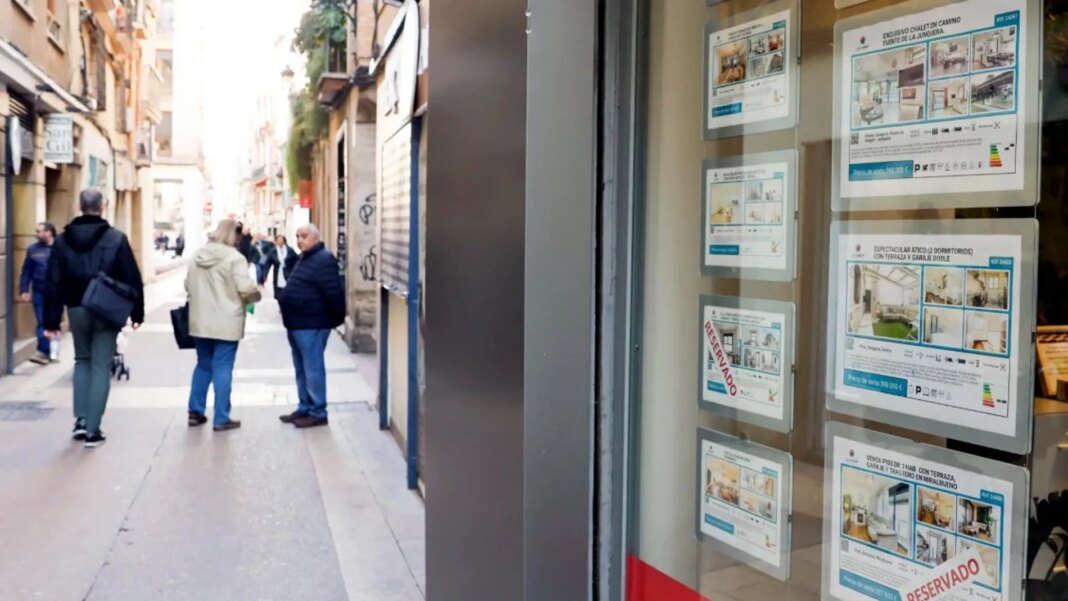
Living on the Islands is no longer cheap. At least, not for those who earn salaries from the Canary Islands. The weather is good, taxes are low but the rent, although more affordable than in Madrid or Barcelona, is not affordable for people trying to find a cheap property in Las Palmas de Gran Canaria or Santa Cruz de Tenerife. The market has risen non-stop over the last four years, while salaries in the Archipelago remain well below the national average. The difference between what is earned and what it costs to survive has become very great. A gap that is already one of the main problems of many island families who try to make ends meet with minimal resources. This is not the same on all the Islands. Each has its own cost of living. Renting in Lanzarote is not the same as in El Hierro. Buying in a tourist municipality in Fuerteventura is different from buying in a residential neighborhood in La Laguna. And the electricity bill has a special characteristic in the Archipelago that is important not to neglect. Rent: the most visible crackHowever, rent is the most visible problem. The two capitals, Las Palmas de Gran Canaria and Santa Cruz de Tenerife, concentrate the greatest market pressure. In the easternmost city, a one-bedroom apartment – in a normal area – costs around 700-900 euros per month. If you go to the suburbs, the price drops to 600-700 euros, but you need a car or use of public transport to get to the center. In more central areas, renting a one-bedroom property can cost between 650 and 900 euros, while in peripheral areas it can go down to 500-650 euros. In Tenerife, the capital has similar prices. A one-bedroom apartment in an urban area costs around 700 euros. The Laguna, which was previously more affordable, is now also rising in price due to demographic pressure. Las Palmas de Gran Canaria and Santa Cruz de Tenerife have the same average rental price, 14.6 euros per square meter, placing them among the most stressed cities in the country, only behind large markets such as Malaga. The trend also continues to rise, with Santa Cruz de Tenerife registering in the last year one of the largest increases in Spain, with an increase of 15.2%, well above the salary evolution. Lanzarote and Fuerteventura: the tourist effect in state pureLanzarote and Fuerteventura have a special market due to tourism. Lanzarote has a dual trade, where high-end tourism and digital nomads have reduced the supply of housing and made it more expensive. The average rent per square meter on the Island is 11.97 euros, with an increase of 4% compared to the previous year. A 60 square meter apartment costs around 720 euros per month, but the offer is scarce and highly contested. Fuerteventura, for its part, has a more fragmented panorama. The average rental price is 980 euros, 14% below the Canary Islands average. However, there are tourist areas where costs are higher and inland municipalities where the offer is scarce and the amount is irrelevant. The minor islands: the paradox of low price The minor islands, such as La Palma, La Gomera and El Hierro, have lower rents. On Isla Bonita, a two-bedroom apartment in Santa Cruz de La Palma costs between 500 and 700 euros. In La Gomera, the capital, San Sebastián, has apartments from 450 euros for long-term contracts. El Hierro, with few inhabitants, has a favorable market, where demand is low and prices are contained, but turnover is very low. The problem on these islands is that living there with a stable job implies frequent trips to the capitals, which adds a monthly cost that is not always taken into account. The Canary Islands Government recognizes this disparity by setting a higher maximum housing price for the non-capital islands.Electricity: same rate, different billElectricity is another important aspect to take into account. The price per kilowatt hour in the Canary Islands is the same as in the Peninsula, but the consumption schedule is different. The annual electricity bill for an average user with a regulated tariff amounted to almost 976 euros in 2025, 15.5% more than in 2024. However, the climate in the Canary Islands reduces heating costs, which helps lower the bill. The shopping basket: the myth The shopping basket is another myth that has been debunked. If the rent hurts, going shopping at the supermarket is uncomfortable in another way. Vegetables, fruits, fish and meat have become more expensive, but the logistical structure of the Archipelago even more so. The Organization of Consumers and Users classifies Las Palmas de Gran Canaria as one of the most expensive cities in Spain for purchasing food. Canary Island municipalities such as San Bartolomé de Tirajana, Telde, Arona or La Laguna register annual food bills that exceed 6,000 euros per household. From 2021 to 2025, the food shopping basket has become 34% more expensive in the Canary Islands. Four years. One third more. And, as mentioned above, salaries have not kept pace. Not even close. The Government of the Canary Islands has announced a basket of 45 basic products with a zero IGIC rate, in addition to the creation of a price observatory that will analyze the cost of living for each island, with special attention to tourist areas and double insularity. The salary that does not arrive The Canary Islands closed the third quarter of 2025 as the autonomous community with the lowest average net salary in Spain, 1,891 euros per month, almost 400 euros below the national average. The region that receives the most tourists pays its workers the lowest salary in the country. The average annual salary in the Canary Islands is equivalent to 81.7% of the national average, which is about 5,000 euros less per year. This means that domestic balance depends, on too many occasions, on sharing a flat, on family help or on accumulating several partial jobs. In Las Palmas de Gran Canaria, a person who lives alone in a small apartment can spend around 1,471 euros per month to cover basic needs such as rent, services, food and public transport. If we take into account the average salary in the Archipelago, the money left is very little. And if you only earn 1,184 euros net, which is the minimum wage, it is difficult to make ends meet.In summaryIn short, there is not a single cost of living in the Canary Islands. Gran Canaria and Tenerife are the most expensive island territories to rent an apartment in the city, with prices ranging from 700 to more than 1,000 euros per month for a one-bedroom apartment in the capital. But they are also the islands with the most job opportunities and services. Lanzarote is an example of where tourism has reduced the number of homes available, causing prices to rise rapidly. Fuerteventura has lower costs, in general, but there is a big difference between the tourist areas on the coast and the interior, which is almost empty. La Palma and La Gomera offer more profitable rentals, but in exchange, it costs more to travel to other parts of the Archipelago and there are fewer job opportunities. El Hierro, as less populated, has lower prices in general, but if you need to travel for work or health reasons, it costs more. Food costs almost the same on all the Islands, although there are differences between tourist and residential areas, and it also depends on where it is located. The cost of electricity is the same in Telde as in Valverde. What changes from one island to another is not so much what it costs to live, but the ability to pay those expenses and assume those costs. And in that balance, the Archipelago has been having problems for years that cannot be disguised or hidden.
Originally reported by www.larazon.es, rewritten by the Fuerteventura Times AI Editorial Desk.