Summary of the Announcement
The ongoing turmoil within Germany’s automotive sector poses significant implications for Spain, particularly in the real estate market, where German nationals are crucial foreign investors. Recent reports indicate that Volkswagen is contemplating a staggering reduction of 100,000 jobs alongside the potential shutdown of four German manufacturing plants due to a restructuring initiative aimed at combating weak demand and escalating costs. This crisis, which is exacerbated by competition from Chinese electric vehicle manufacturers and a transition away from traditional combustion engines, could adversely affect property markets across Spain, especially in regions reliant on German investment.
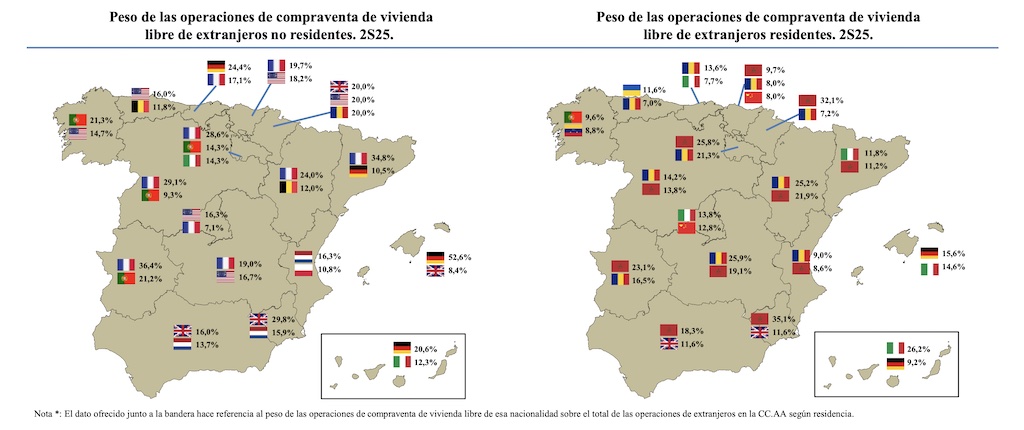
Historically, German buyers have represented a vital segment in Spain’s second-home sector. Recent data illustrates their dominance, particularly in the Balearic Islands and the Canary Islands, where they constitute over half of foreign purchases. However, there is a discernible decline, with year-on-year acquisitions decreasing for three consecutive quarters, albeit still above pre-pandemic levels. This emerging trend indicates a worrying direction for future investments from this critical demographic.
Why it Matters
Understanding the ramifications of the German automotive industry’s struggles is vital for stakeholders in the Spanish property market. The automotive sector is not only central to Germany’s economic framework but also directly influences Spanish property values and market dynamics. As one of the largest foreign buyer groups in Spain, weakened German demand may result in decreased property transactions and potentially lower prices, impacting sellers and the overall health of the real estate market.
Given that the recovery of the Spanish property market relies heavily on diverse foreign demand, a downturn associated with reduced German investments could heighten sensitivity to price adjustments and lengthen the time properties remain on the market. The ripple effect could also extend to domestic buyers and investors, leading to a broader economic impact that warrants vigilant observation.
Impact on Residents, Businesses, or Visitors
For potential buyers, this decline in German investment may signal a shift in the landscape of second-home purchasing in Spain, particularly for luxury properties in sought-after locales. Local property owners might experience longer sales cycles as demand wanes, complicating their ability to liquidate assets at anticipated prices. Holiday home investors should brace for an increase in market uncertainty, which may prompt many to adopt a more cautious position when making decisions about purchases in the short term.
Unfortunately, tourists looking for rentals may also feel the effects of these shifts. As property owners recognize decreased demand and adjust pricing strategies, rental prices may stabilize or even decline, impacting their investment yield. This dynamic could attract potential seasonal renters seeking better value, but it might also deter property owners who are uncertain about the upcoming season’s performance.
Municipality Affected
The repercussions of this situation primarily impact the Balearic Islands and the Canary Islands. In these municipalities, German buyers have historically held a significant market share, particularly in the second-home segment. Areas heavily influenced by this demographic will closely reflect any downturn in German economic stability, as their purchasing power and confidence are intrinsically connected to the automotive sector’s performance.
While regions like Catalonia and Cantabria experience some German involvement, they are less susceptible to market fluctuations driven specifically by this buyer group. Therefore, the concerns are most acute in the Balearics and Canaries, where German buyer sentiment is at a more critical crossroads.
Related Projects or Previous Developments
This emerging trend of declining German investment can be tracked against the broader backdrop of Spain’s property market recovery post-pandemic. Over the past few years, various regulatory adjustments, from tax reforms to zoning changes, have influenced property trends across Spain. During the pandemic recovery, the presence of German buyers provided an essential boost; however, the anticipated trajectory may now be shifting.
The historical data indicates that fluctuations linked to foreign buyers, especially Germans, have led to variations in market resilience and pricing structures. This fluctuation underscores the need for continuous monitoring of foreign demand and its implications for property values across different regions within Spain.
SEO Title and Metadata
SEO Title: German Auto Crisis Threatens Spanish Property Market
Meta Description: The German automotive turmoil could impact Spanish real estate demand, affecting buyers and investors. Discover what it means for property in Spain.
Read the original market report on www.spanishpropertyinsight.com