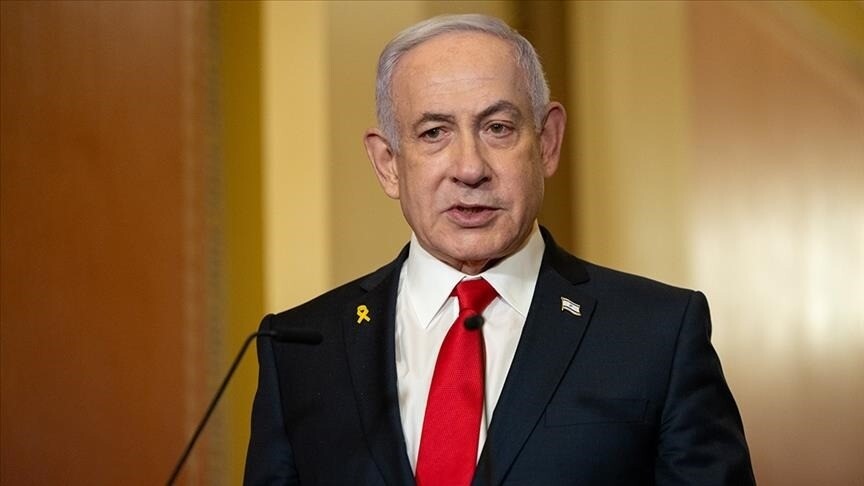
Tensions Rise: Netanyahu’s Decision to Remove Spain from Military Coordination
On April 10, 2026, Israeli Prime Minister Benjamin Netanyahu made headlines with a bold announcement regarding Spain’s involvement in the Civil-Military Coordination Center (CMCC) located in Kiryat Gat, Israel. This decision comes amid escalating tensions between Israel and Spain, particularly in light of Spain’s vocal criticism of Israel’s military actions in recent conflicts.
The Context of the Announcement
Netanyahu’s statement, delivered via a video on the social media platform X, was a direct response to Spain’s condemnation of Israel’s military operations. He asserted, “I will not allow any country to wage a diplomatic war against us without paying a heavy price.” This declaration underscores the Israeli government’s stance on foreign criticism, particularly from nations that have historically maintained diplomatic relations with Israel.
The Role of the Civil-Military Coordination Center
The CMCC was established by the United States on October 17, 2025, with the aim of monitoring the implementation of former President Donald Trump’s plan to bring an end to the ongoing conflict in Gaza. The center serves as a platform for dozens of countries to coordinate their military and humanitarian efforts in the region. Spain’s participation in this center had been seen as a commitment to collaborative international efforts, but Netanyahu’s recent decision has now severed that connection.
Declining Israeli-Spanish Relations
The relationship between Israel and Spain has deteriorated significantly over the past two years. Spain’s opposition to Israel’s military actions in Gaza, its recognition of a Palestinian state, and its recent calls for sanctions against Israel regarding its actions in Iran and Lebanon have all contributed to this decline. These developments have not only strained diplomatic ties but have also sparked heated debates within both countries about the implications of such foreign policy decisions.
Netanyahu’s Critique of Spain
In his announcement, Netanyahu specifically targeted Spain for what he described as “defaming” Israeli soldiers. This language reflects a broader narrative within Israeli politics that frames criticism of military actions as an attack on the nation’s integrity and security. By removing Spain from the CMCC, Netanyahu is sending a clear message that Israel will not tolerate what it perceives as unjustified attacks on its military and its right to defend itself.
The Broader Implications
Netanyahu’s decision to exclude Spain from the CMCC raises questions about the future of international cooperation in the region. As countries navigate the complex landscape of Middle Eastern politics, the removal of Spain from this coordination center may hinder collaborative efforts aimed at achieving peace and stability. Furthermore, it sets a precedent for how Israel may respond to criticism from other nations, potentially isolating it further on the global stage.
Conclusion
The unfolding situation between Israel and Spain highlights the intricate dynamics of international relations in the context of ongoing conflicts in the Middle East. As Netanyahu’s government takes a firm stance against criticism, the implications for diplomatic relations and regional stability remain to be seen. The CMCC, once a symbol of international cooperation, now stands as a focal point for the tensions that define Israeli-Spanish relations in this turbulent era.

![[gpt_title] Write a natural, soulful, and wellness-driven headline (max 12 words) about Ayurveda, healing, or natural medicine. It should feel modern yet timeless — e.g., “The Science of Stillness,” “Nature’s Pharmacy,” or “Healing in the Everyday.” Avoid clickbait or sales tone. [/gpt_title]](https://hips.hearstapps.com/hmg-prod/images/fb2d8aff-c2a5-47b7-97bf-3fa3da2bbaa6.jpeg?crop=1xw:0.667xh;0xw,0.16xh&resize=1200:* "[gpt_title] Write a natural, soulful, and wellness-driven headline (max 12 words) about Ayurveda, healing, or natural medicine. It should feel modern yet timeless — e.g., “The Science of Stillness,” “Nature’s Pharmacy,” or “Healing in the Everyday.” Avoid clickbait or sales tone. [/gpt_title]")
