Italy’s Emergency Border Controls: A Response to the Migrant Crisis
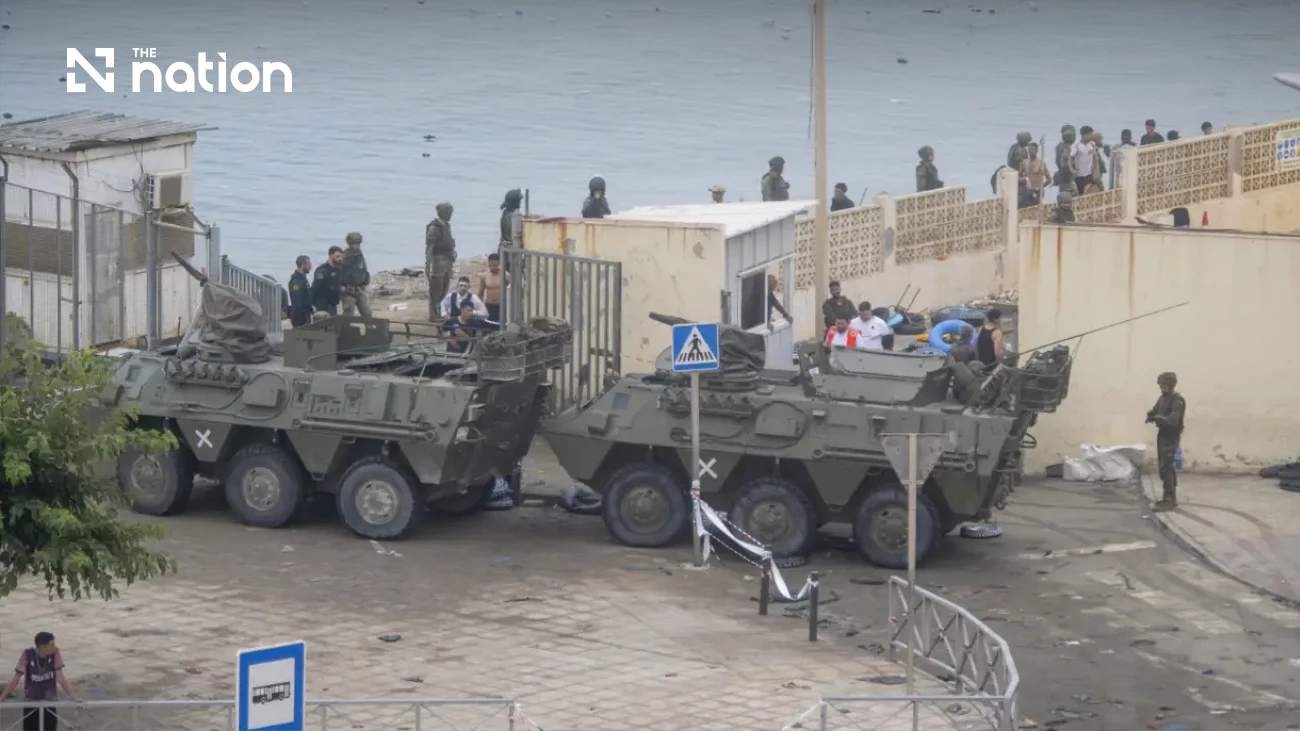
Italy has recently made headlines by announcing emergency border controls on air and sea routes with Spain, a significant move that temporarily suspends the Schengen free-travel arrangements between the two countries throughout August. This decision comes in the wake of a burgeoning migrant crisis in Ceuta, Spain’s North African enclave, where tens of thousands of migrants have arrived from Morocco.
The Migrant Crisis in Ceuta
Ceuta has become a focal point in the ongoing migrant crisis, with a surge of individuals seeking refuge and better opportunities in Europe. The influx has sparked a political dispute within the European Union, highlighting the complexities of migration management and border control. Spain, grappling with the immediate challenges posed by this situation, has expressed criticism towards Italy’s decision, arguing that it undermines the unity of the EU.
Italy’s Justification for Border Controls
In response to the crisis, Italy’s Interior Minister, Matteo Piantedosi, announced that the air and sea border controls would be in effect throughout August. The measures are designed to involve targeted checks on non-EU nationals arriving from Spain by air or sea, while Spanish and other EU citizens will not be affected. This distinction aims to balance security concerns with the need to maintain some level of normalcy for EU travelers.
Political Implications and Reactions
Italian Prime Minister Giorgia Meloni, who rose to power on a hardline immigration platform, characterized the border controls as an “extraordinary measure” aimed at safeguarding national security. In her statements, Meloni emphasized that the decision was made to prevent potential repercussions for Italy, framing it as a necessary step in the fight against illegal immigration and human trafficking.
Meloni’s government has positioned itself as a defender of national interests, asserting that protecting borders equates to protecting citizens’ safety. This rhetoric resonates with a segment of the Italian population that views immigration as a pressing issue, further complicating the political landscape within the EU.
Impact on Travel and Tourism
The implementation of these border controls is expected to have a tangible impact on air and maritime travel between Italy and Spain. While the measures are targeted primarily at non-EU nationals, the potential for increased checks and delays could affect travelers and tourism, particularly during the busy summer season. Meloni has acknowledged the importance of minimizing disruptions to tourism, indicating that the measures will remain in place only as long as necessary.
Italy’s Commitment to EU Cooperation
Despite the unilateral decision to impose border controls, Meloni has expressed Italy’s readiness to support any European initiatives aimed at helping Spain regain control of its external borders. This statement underscores a willingness to collaborate within the EU framework, even as Italy takes decisive action to address its own national security concerns.
Conclusion
Italy’s emergency border controls reflect a complex interplay of national security, immigration policy, and EU unity. As the situation in Ceuta continues to evolve, the implications of Italy’s decision will likely reverberate throughout the European Union, prompting discussions about collective responsibility and the management of migration across borders.


