A Shift in Leadership: Juan Cabrera Becomes Mayor of Antigua
In a notable political shift, Juan Cabrera, a member of the Asambleas Municipales de Fuerteventura (AMF), has been elected as the new mayor of Antigua. This decision follows a successful motion of no confidence against the former mayor, Matías Peña, who had held the position since 2019. The vote was closely contested, with Cabrera securing nine votes in favor while facing opposition from seven council members representing the Alternativa por Antigua and a representative from the PSOE.
The Motion of No Confidence
The motion introduced by Cabrera and supported by two members of his party, three from the Popular Party (PP), three from the Coalición Canaria (CC), and one from the Contigo party, emphasized what its proponents termed “the incapacity” of Peña to address various challenges facing the municipality. Key issues highlighted included rising insecurity, ineffective personnel policies within the local government, and a stagnation of investments from other administrations.
Criticism of Former Mayor Peña
During the vote, Cabrera took the opportunity to critique Peña’s approach to governance. He labeled him a “one-person leader,” accusing him of failing to adhere to a 2023 agreement regarding the rotation of the mayoral position between the two. Cabrera’s remarks were pointed, emphasizing the perceived unilateralism of Peña’s leadership style and his failure to engage in fruitful dialogue with fellow council members.
Going Forward Together
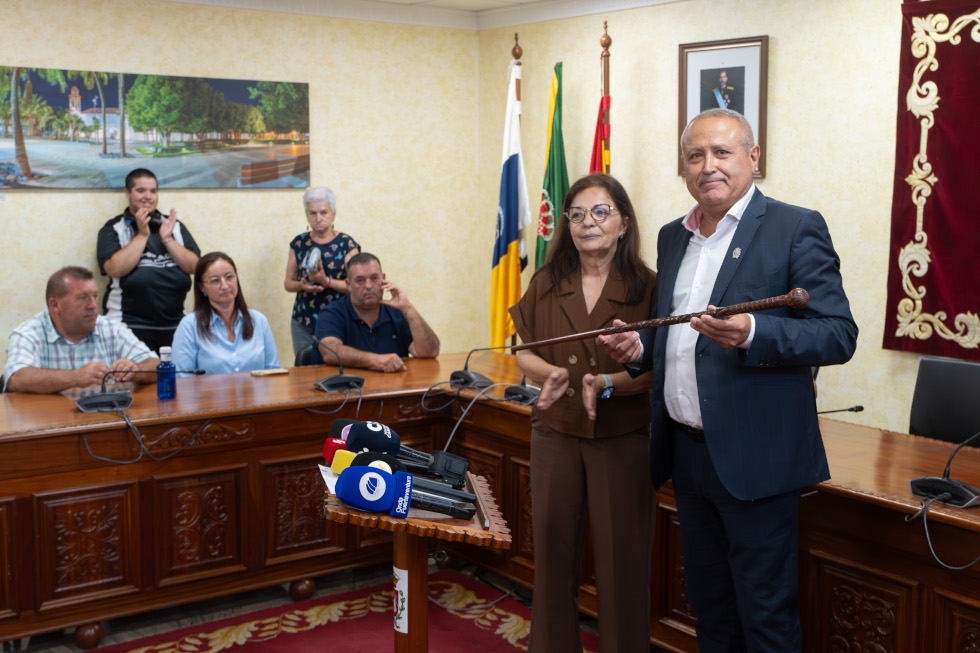
After being sworn in as mayor, Cabrera expressed a commitment to unity and collaboration. He stated his intention to work closely with public administrations to advance critical local projects, such as road repaving and improving children’s parks. His promises of “transparency and integrity” resonated with attendees as he highlighted that the welfare of the residents would be his top priority, expressing a desire for democracy to flourish in Antigua.
Prepared for Transition
As the council meeting concluded, former mayor Matías Peña chose not to engage with the press, leaving the chamber shortly after the vote. His address during the session was notably devoid of contentious remarks; instead, he focused on expressing gratitude to the municipal workers for their efforts.
The Rise of Alternativa por Antigua
Despite Alternativa por Antigua, led by Peña, being the most voted party in the 2023 elections with 33.6% of the votes and securing seven council seats, their mandate was strained by the need to forge alliances to reach the nine-seat majority. Initially forming a coalition with AMF, Contigo, and CC, the situation deteriorated, leading to a split with CC earlier in the year.
Voices of the Opposition
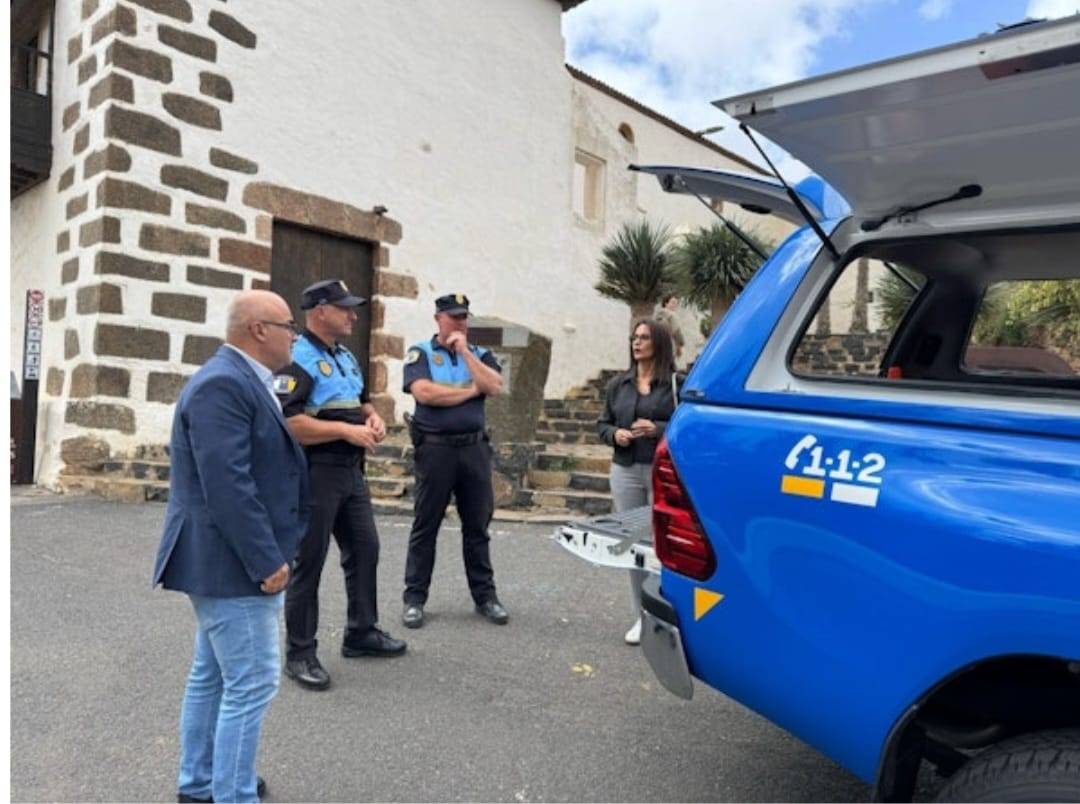
David Alberto, the spokesperson for CC, justified the motion of no confidence by pointing towards continuous “disagreements and breaches” of trust with Peña. He characterized Peña’s leadership style as “presidential” and lacking necessary dialogue with his fellow councilors. With concerns about rising local crime rates and a diminishing police force—set to lose ten officers in the coming year—Alberto’s criticisms were grounded in pressing community issues.
Joana Verde of the PP echoed these sentiments, declaring that the new council would have the responsibility to rekindle hope and promote necessary projects for the municipality. She characterized this moment as the dawn of “a new era of dialogue, work, and commitment to the residents.”
Giuseppe Signorino from Contigo concurred, indicating that this change in leadership signals an opportunity for a fresh approach focused on the interests of Antigua’s residents.
As the political landscape of Antigua continues to evolve, Cabrera’s administration underscores a significant shift in local governance aimed at addressing the challenges ahead.