Mysterious Stranding of a Tropical Rorqual Calf in Antigua
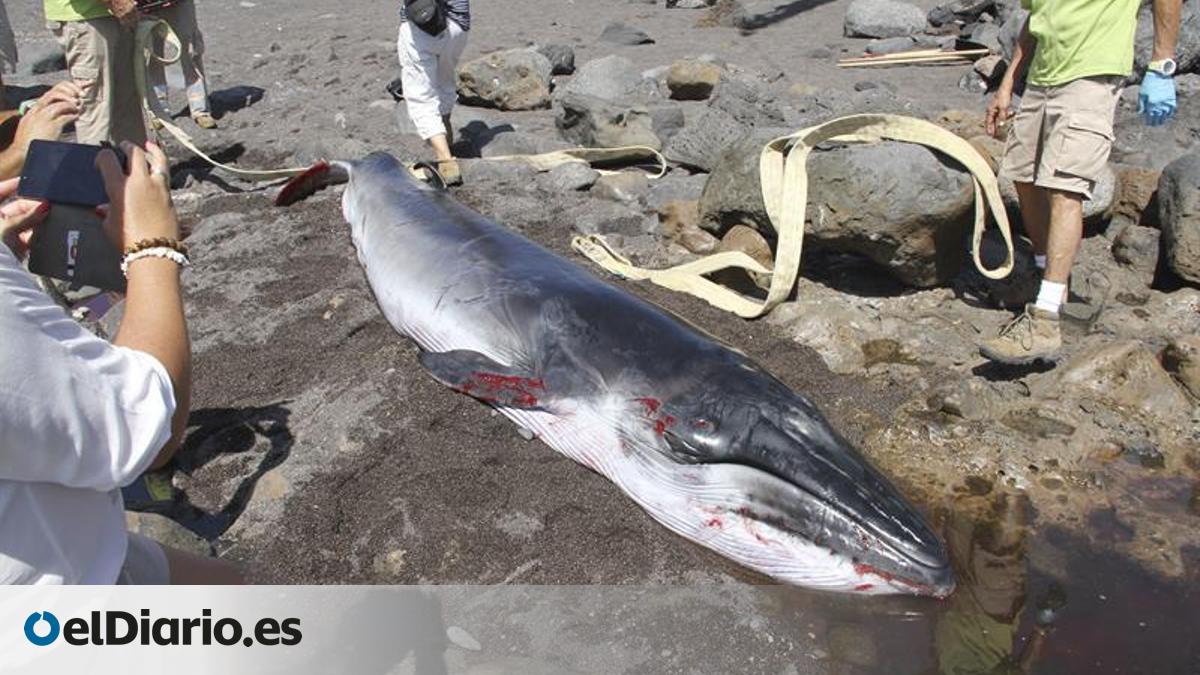
In a somber incident on the shores of Caleta de la Ballena, located in Antigua, a tropical rorqual calf (Balaenoptera edeni) has been found lifeless. The body of this majestic creature, a member of the baleen whale family, raises questions that scientists and wildlife experts are eager to investigate. While the exact cause of this stranding remains unknown, the event has drawn attention from local authorities and marine conservationists alike.
Discovery and Initial Response
The discovery of the nearly four-meter-long calf has prompted the Cabildo majorero, the local governing body in Fuerteventura, to issue a formal statement. This was not merely a tragic finding; it was also an opportunity for the scientific community to learn more about the circumstances surrounding marine mammal strandings. The calf, displaying recognizable features of a newborn, highlights both the fragility and wonder of marine life in the region.
Vet Examination and Condition Analysis
Upon initial examination, veterinarians from the Division of Histology and Animal Pathology at the Institute of Animal Health and Food Safety (IUSA), University of Las Palmas de Gran Canaria, were called to perform a necropsy. Their findings during this procedure were notable; they reported that the calf was in good condition at the time of examination. This information is crucial because it narrows down potential causes of death, indicating that external physical trauma may not have been involved.
Understanding the Investigation Process
The authorities are proceeding with caution, knowing the gravity of determining how such a magnificent creature ended its life on a beach. Samples were collected during the necropsy – a routine part of marine stranding investigations. These samples will undergo histopathological analysis, a detailed examination of tissues to ascertain any underlying diseases or external factors that may have contributed to the calf’s untimely demise.
The Importance of Investigating Marine Stranding Events
Every stranding event represents an opportunity for understanding the health of marine ecosystems. When mammals like the tropical rorqual are found dead, researchers gather data to analyze broader trends in marine life, including potential impacts from pollution, climate change, and human activity. Marine mammals are often considered indicators of ocean health, making such investigations critical not just for the individual animal, but for marine biodiversity as a whole.
Future Steps and Implications
As the histopathological study is set to commence in the coming days, local and international marine biologists will be closely monitoring the outcomes. The findings could lead to actionable insights and preventive measures, potentially fostering initiatives aimed at protecting local marine life. This event is a poignant reminder of the interconnectedness of ecosystems and the importance of conservation efforts to protect vulnerable species like the tropical rorqual.
By keeping an eye on the developments surrounding this incident, we gain not only knowledge but also the hope that science can illuminate the mysteries of the ocean, ensuring that its inhabitants are better understood and protected. The story of the tropical rorqual calf is far from over; its legacy will continue through the investigation that seeks to shed light on its fate and the health of our oceans.