The Depth of Spain’s Squad: A Key to Victory
In the world of football, the importance of squad depth cannot be overstated, and Spain’s recent triumph serves as a testament to this principle. After a thrilling match that many dubbed a “final before the final,” Spain’s coach, Luis de la Fuente, took to the media to highlight the pivotal role that his bench players played in securing the victory. His insights not only reflect the tactical acumen of the team but also the emotional connections that bind players and coaches alike.
A Game of High Stakes
De la Fuente described the match as “truly fantastic,” emphasizing the intensity and pressure that both teams faced. “As expected, we suffered until the very end,” he remarked, capturing the essence of a high-stakes encounter where every moment counts. The coach’s acknowledgment of the challenges faced during the game underscores the mental fortitude required at this level of competition. It’s a reminder that even the most skilled teams must navigate adversity to emerge victorious.
The Importance of Bench Players
One of the standout themes from de la Fuente’s post-match comments was the significance of players coming off the bench. He stated, “The most important players are those who come off the bench,” highlighting how crucial these substitutes can be in changing the dynamics of a game. This perspective is particularly relevant in tournaments where fatigue can set in, and fresh legs can make all the difference.
Mikel Merino: A Special Connection
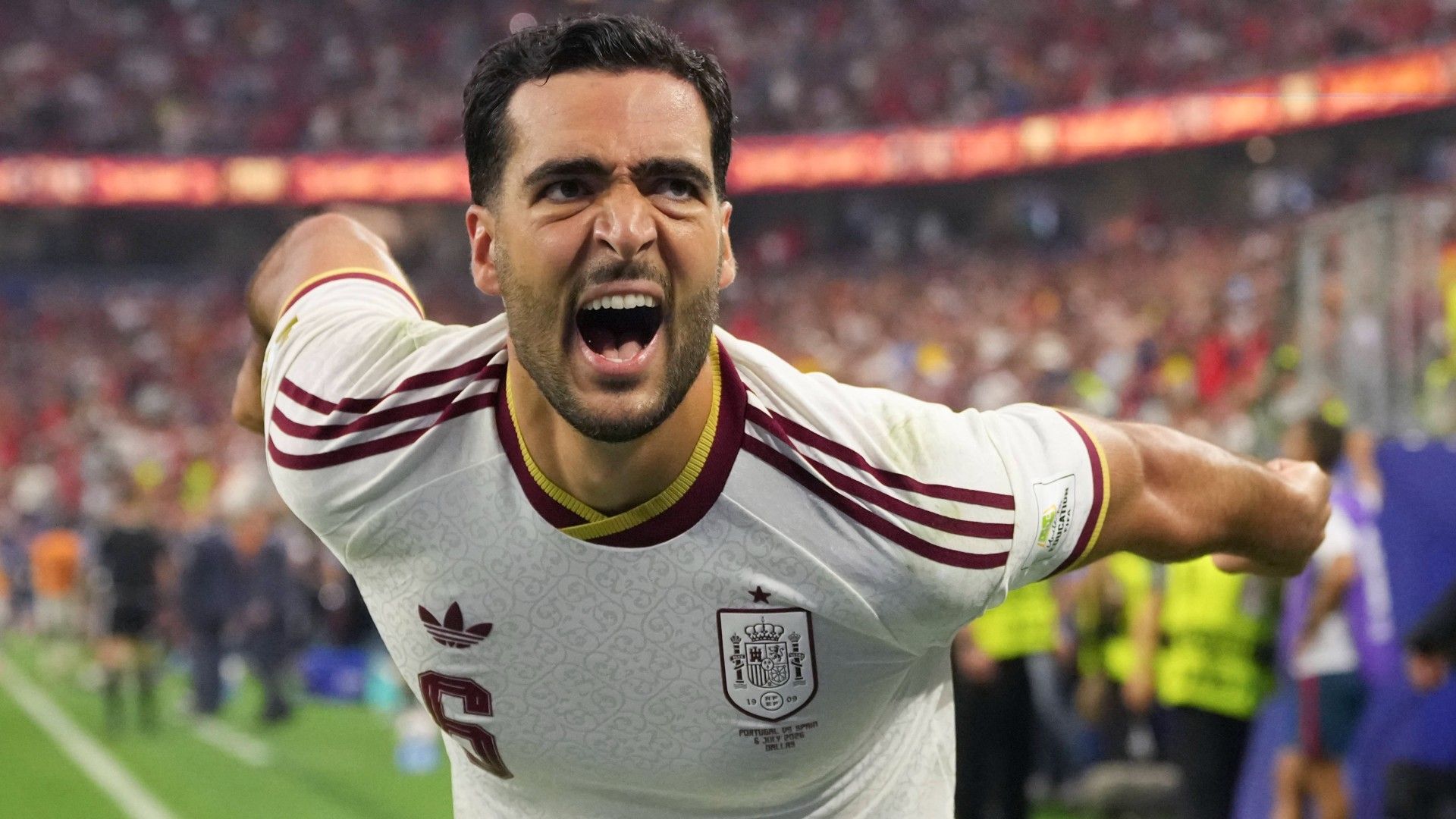
Among the substitutes, Mikel Merino stood out, and de la Fuente’s relationship with him adds a layer of depth to the narrative. Their connection dates back to the Spanish youth ranks, making Merino not just a player but a trusted ally in the coach’s tactical arsenal. “I told [Merino] to play as always, to support in midfield and attack,” de la Fuente explained, showcasing the trust he places in the midfielder during critical moments.
A Personal Touch
De la Fuente’s affection for Merino is palpable. “I’m very happy for him,” he said, revealing a personal bond that transcends the professional realm. The coach’s willingness to go the extra mile—”If necessary, I’d go to pick him up at his house”—speaks volumes about the mutual respect and understanding that exists between them. This relationship is not just about tactics; it’s about nurturing talent and fostering a sense of belonging within the squad.
Reliability Under Pressure
What makes Merino particularly valuable is his reliability in high-pressure situations. De la Fuente emphasized, “Mikel never disappoints; he’s a safe bet.” This statement encapsulates the essence of a player who thrives when the stakes are highest. In tournaments where every match can be a defining moment, having players like Merino who can deliver consistently is invaluable.
The Collective Effort
While individual brilliance is often celebrated in football, de la Fuente’s comments remind us that success is a collective effort. The coach’s focus on the contributions of bench players highlights a team ethos that prioritizes collaboration over individual accolades. This approach fosters a culture where every player feels valued, regardless of their role on the pitch.
The Road Ahead
As Spain looks forward to the next stages of the competition, the lessons learned from this match will undoubtedly shape their strategy. The emphasis on squad depth and the importance of every player’s contribution will be crucial as they aim for glory. With a coach who understands the nuances of teamwork and a squad filled with talent, Spain is poised to make a significant impact in the tournament.
In summary, the interplay between tactical strategy and personal relationships within the team creates a rich tapestry that defines Spain’s footballing philosophy. As they continue their journey, the blend of depth, trust, and collective effort will be key to their success on the international stage.

