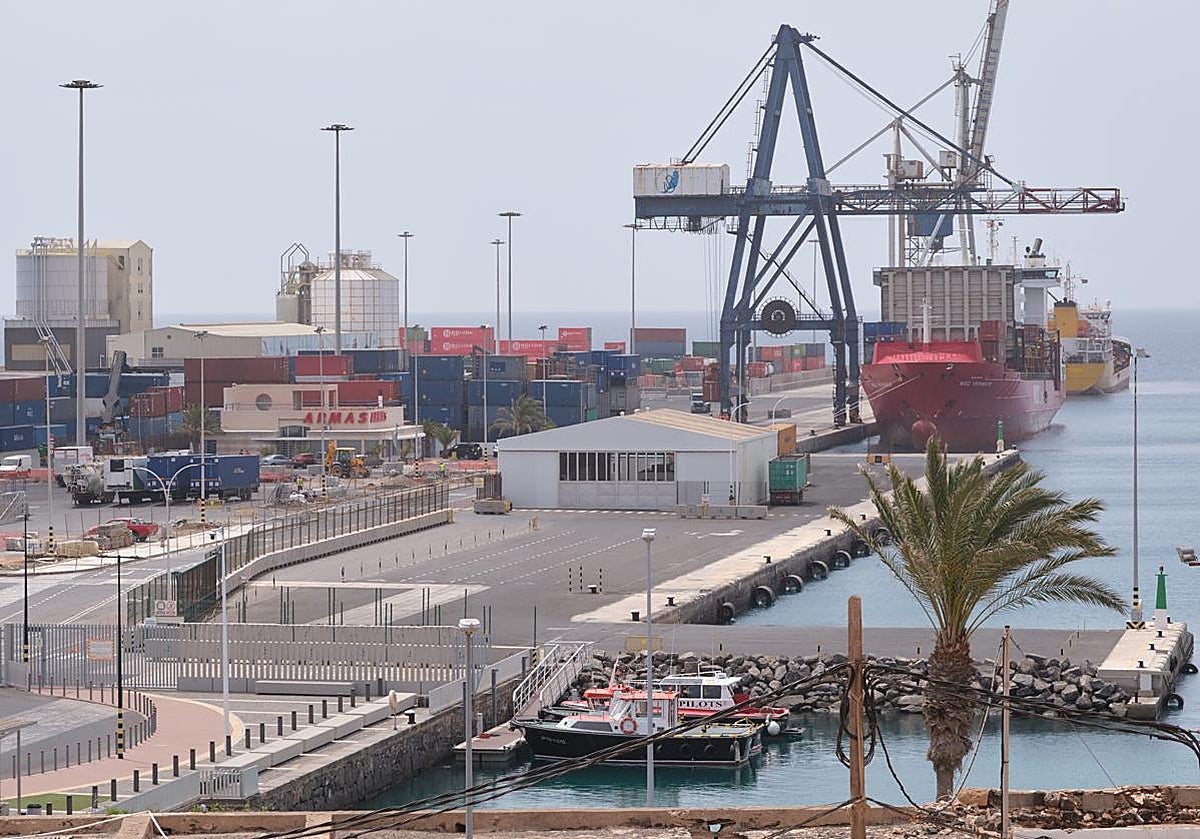
Maritime Connection Retained: Puerto del Rosario-Cádiz Service as Public Obligation
On July 30, 2026, a significant announcement resonated in the Canary Islands as Ángel Víctor Torres, the Minister of Territorial Policy and Democratic Memory, declared that the maritime line connecting Puerto del Rosario to Cádiz will now be recognized as an “Obligation of Public Service.” This statement marks a crucial turning point after months of debate and controversy surrounding the potential discontinuation of this vital link.
The Background of the Controversy
The proposed elimination of the maritime connection sparked widespread protests from various political parties and public institutions. Local leaders and citizens were deeply concerned about the implications of losing this service. Reports indicated that the discontinuation could lead to a staggering 70% increase in transportation costs for both residents and businesses in Fuerteventura, which would dramatically impact the island’s economy and daily life.
Assurance of Service Continuity
During an interview on Radio Sintonía, Minister Torres affirmed that such a misstep would not happen again. He emphasized the government’s commitment to expedite the tendering process for a new maritime connection, assuring that the timeline would be as swift as possible. This initiative aims to alleviate the anxieties of the local populace, who depend on this service for both personal and commercial transportation.
Uniting Local Voices
Torres highlighted that he shares the concerns expressed by various stakeholders on the island, including the Cabildo (the local government), municipal councils, and the Chamber of Commerce. He acknowledged the urgency and necessity of maintaining regular maritime communication between the mainland and Fuerteventura. “The primary goal is to understand and value the feelings of the majoreros (local residents), along with the government’s full consideration of what Fuerteventura has articulated,” he stated.
Transition to Mandatory Service
The minister elaborated on the previous situation where a contract existed but did not bind the service to be obligatory. Although the link between Cádiz and Puerto del Rosario previously operated under this contract, it was not mandated. Torres assured listeners that the government had been working towards re-establishing this service as a requirement, highlighting that “everything is already in motion” to ensure its mandatory status.
Minister’s Other Commitment
In a different public engagement, Torres also took a moment to honor victims of domestic violence, showcasing the government’s commitment to social issues alongside navigating transportation challenges. This dual focus illustrates the layered responsibilities presented to public officials, who must balance logistical necessities while addressing pressing societal concerns.
The Path Forward
As the situation develops, the government’s proactive stance aims to restore confidence among residents of Fuerteventura regarding vital transportation links. The assurance of a regulated maritime connection will hopefully ease fears about accessibility and economic strain in the face of changing political circumstances.
With the rise in public dialogue and institutional cooperation, the future of the Puerto del Rosario-Cádiz maritime line now appears to be on stronger footing, ready to serve the island and its people in years to come.