### The Moroccan Community in Fuerteventura: A Legacy of Unity and Cultural Exchange
Fuerteventura, one of the beautiful Canary Islands, hosts a vibrant and long-established Moroccan community that has played a significant role in shaping the local culture and economy. Historically linked through trade and migration, Moroccans have settled on the islands for generations, fostering a spirit of integration and coexistence that remains strong today. In light of recent tragic events, such as the Algeciras attack, the Moroccan people have publicly expressed their sorrow over such isolated acts of violence, reaffirming their commitment to promoting a harmonious image in their adopted home.
### Demographics at a Glance
According to recent statistics, the Moroccan population in Fuerteventura stands at about 3,605 residents out of the island’s total of approximately 120,000 inhabitants. This makes Moroccans the fourth-largest group of foreign residents, following Italians, British, and Germans. Interestingly, there are more men (2,167) than women (1,438) within this community, and these numbers do not account for individuals currently undergoing the regularization process.
### A Voice for the Community: Turia Belgahazi
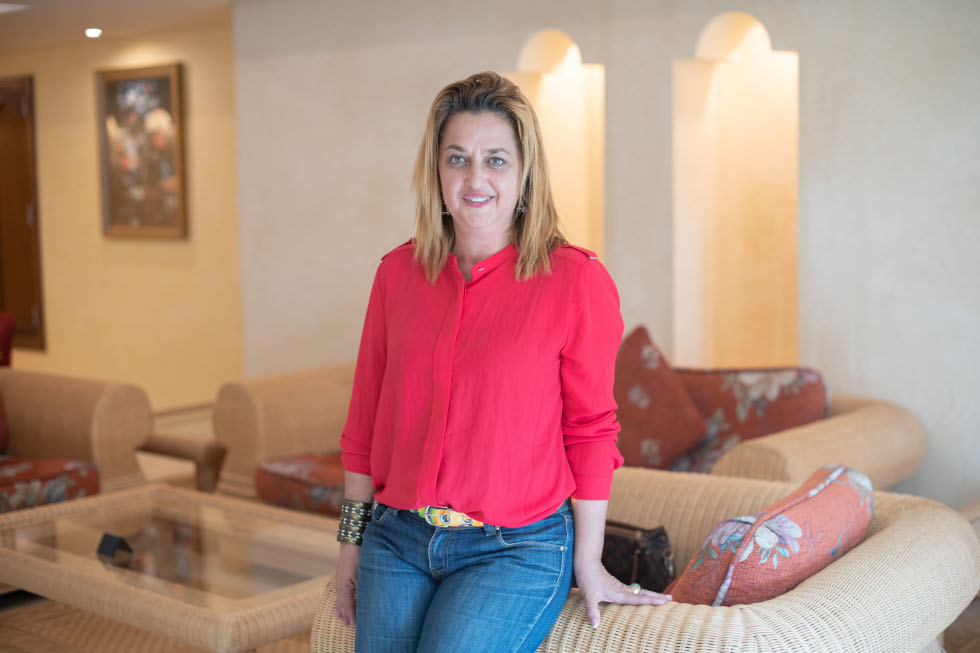
Turia Belgahazi, who has made Fuerteventura her home for over 20 years, is a prominent figure within the Moroccan community. Serving as the secretary of the Moroccan Canary Association of Art Without Borders (AMCASF), she has become a familiar personality across the island. After moving to Gran Canaria at age ten, her father’s work as a trader helped cement their family’s connection to the island. Turia reflects on the positive changes within her community, particularly with the recent appointment of Fariha El Kamouri as the new Consul of Morocco. “Her collaboration with Moroccan associations gives us hope for a future filled with beautiful opportunities,” she shares.
### Bridging Cultures Through Art and Music
Both Turia and her husband, musician Yasir Imad, advocate that art and music are powerful tools for fostering unity between the Canarian and Moroccan peoples. Celebrating their similarities, they have organized numerous cultural events in southern Fuerteventura featuring artists from Morocco. These gatherings see lively participation from local families, creating an inclusive atmosphere where traditions and cuisines of both cultures can be shared.
“Art, culture, and education are crucial in combating xenophobia and marginalization,” Turia insists. She notes that her brother teaches Arabic and emphasizes the importance of integrating languages into the community. Their family has been a point of cultural exchange, sharing Moroccan traditions on various media platforms.
### A New Generation of Talent
The couple’s daughter, Sadin B, is also making waves in the music scene as a budding artist. At just 14 years old, she is balancing her academic life with her musical aspirations, having recently released a music video titled “Slomo.” Inspired by a strong artistic lineage, Sadin aims to use her talents to advocate for women’s rights and freedom, showcasing the creativity flowing through this Moroccan family.
### Culinary Delights: The Moroccan House
In a vibrant neighborhood of El Charco, the recently established Moroccan House offers a slice of Moroccan cuisine to the residents of Fuerteventura. Kitchen extraordinaire Ikram Bouti Draoui leads this culinary venture, known for its warm atmosphere and delicious food ranging from couscous dishes to honey-infused pastries. With a commitment to making her restaurant accessible to all, Ikram emphasizes the importance of community support, especially as operational costs continue to rise.
“Our aim is to share our culinary heritage without it being a burden on our patrons,” she states. Her joy in preparing traditional Moroccan dishes provides a taste experience that has garnered positive feedback from the community.
### Mechanic Shop Success: Fatah Douma
On the industrial side, the auto repair shop owned by Fatah Douma has seen consistent growth since its inception six years ago. Employing three Moroccan mechanics and a Spanish administrator, Fatah reports strong community support and customer satisfaction. “Our professionalism speaks for itself, and clients appreciate our services,” he tells.
He points out the increasing number of vehicles on the island, suggesting a promising future for their business. Feels fortunate to reside in a community where he can forge connections, Fatah embodies the Moroccan presence’s resilience and adaptability in Fuerteventura.
### An Expansive Network of Moroccan Enterprises
Fuerteventura is becoming a hub for new businesses managed by Moroccans, from recently opened restaurants to established barbershops. Each contributes to the island’s economic landscape while promoting cultural awareness. One such establishment, the newly opened restaurant 555 in Puerto del Rosario, run by Ikram’s brother and his wife, reflects the growing influence of Moroccan entrepreneurs.
### Celebrating Cultural Heritage
The Moroccan community actively celebrates its rich cultural heritage with annual events, including 13 civil and religious occasions. One significant event is the Manifesto for Independence on January 11th, where families come together to enjoy traditional dishes and music, reinforcing their cultural identity on the island.
Fuerteventura’s Moroccan community stands as a testament to the strength of multicultural ties, with art, music, and culinary experiences at the heart of their efforts. Through their continuous dedication to integration and celebration of their heritage, they contribute significantly to the island’s social fabric and economy, all while nurturing a sense of community and belonging.
![[gpt_title] Rewrite this article’s title in the tone of *Fuerteventura Times* — calm, intelligent, and curiosity-driven. Keep it under 60 characters. Focus on themes like consciousness, healing, creativity, or neuroscience — avoid hype or clickbait. Make it sound soulful yet journalistic. Examples: “The Science of Stillness,” “Microdosing for Meaning,” “A New Age of Conscious Healing.” [/gpt_title]](https://cdn.nwe.io/files/x/2b/78/5b4abf64e5d23057f13ed84d8260.jpg "[gpt_title] Rewrite this article’s title in the tone of *Fuerteventura Times* — calm, intelligent, and curiosity-driven. Keep it under 60 characters. Focus on themes like consciousness, healing, creativity, or neuroscience — avoid hype or clickbait. Make it sound soulful yet journalistic. Examples: “The Science of Stillness,” “Microdosing for Meaning,” “A New Age of Conscious Healing.” [/gpt_title]")

