Sorpresa: Toca firmar moción de censura en Antigua
A Morning of Surprises
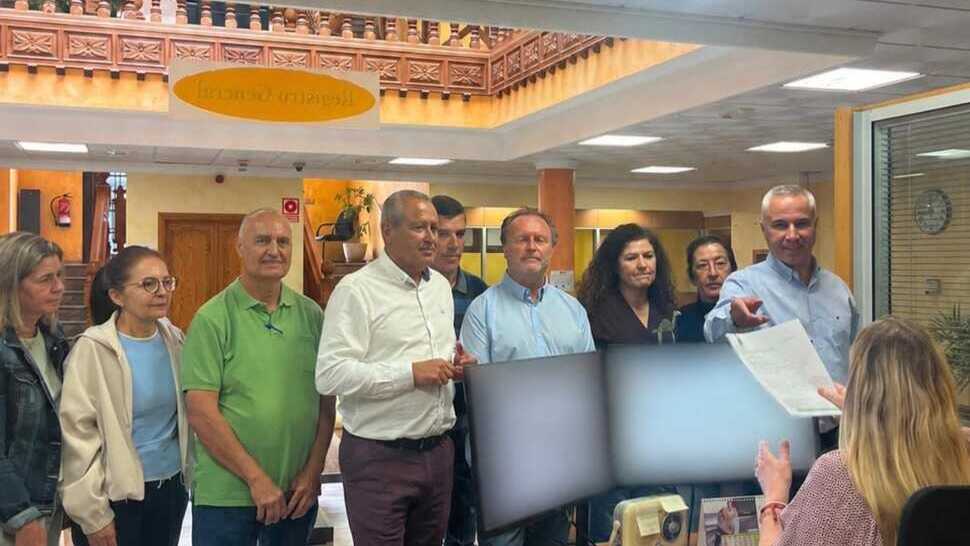
In the early hours of last Friday morning, several council members received surprising phone calls regarding a motion of censure soon to be registered at the Town Hall in Antigua. This unexpected turn of events is rooted in a strategic initiative by representatives from the Coalición Canaria, Partido Popular, Asambleas Municipales de Fuerteventura, and Contigo, who have capitalized on the recent turmoil within the municipality, particularly in the area of El Castillo. Their objective? To unseat the current mayor, Matías Peña, and steer the management in a new direction.
A press conference was promptly organized after the motion was registered at the Town Hall, taking place at the Hotel El Mirador—an establishment known for being a backdrop to various governmental shifts on the island.
The Motive Behind the Motion
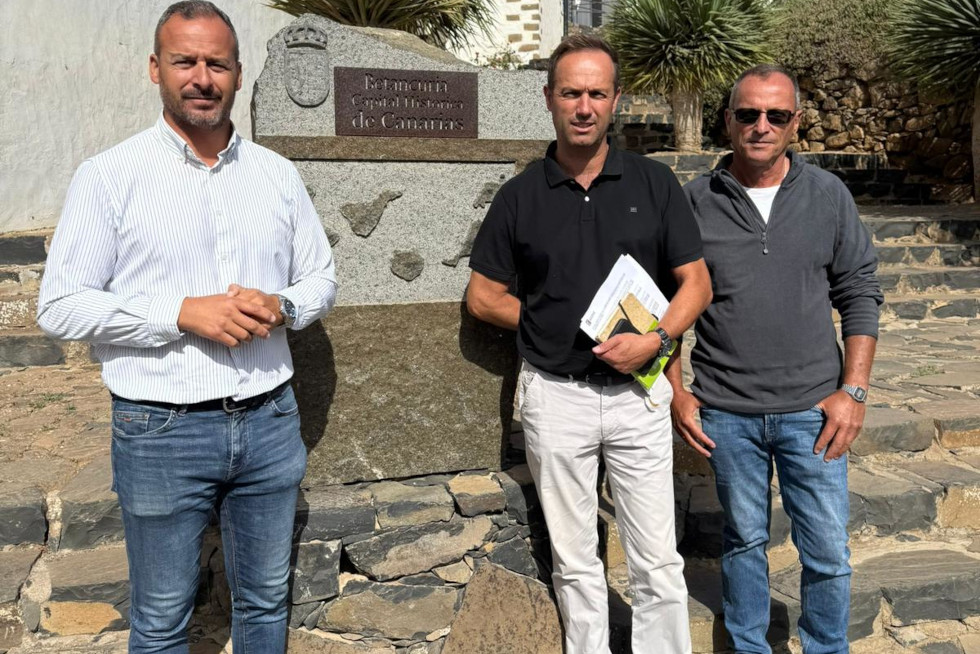
The primary voices behind this motion were David Alberto (Coalición Canaria), Juan Cabrera (AMF), Giuseppe Signorino (Contigo), and Joana Verde (Partido Popular). They laid out the reasons for the proposed motion, which is scheduled to be voted on June 19. This motion is expected to gain support from the nine council members signing it (three from CC, three from the Partido Popular, two from AMF, and one from the PSOE), contrasting with the seven members from Peña’s party, Alternativa Local Por Antigua, and one from the PSOE.
Should this motion succeed, it will immediately lead to Matías Peña’s removal and the elevation of Juan Cabrera as the new candidate—currently the spokesperson for the third most voted party among the proponents of the motion.
From Criticism to Cooperation
The journey to reach this point has not come easy. Cabrera, the first deputy mayor and councilor for Public Works and Services, has faced harsh criticism during his time in office. Chief among the complaints is the lack of cleanliness, especially in tourist areas like El Castillo and Costa de Antigua, prompting demands for action from both residents and local business owners.
A new contract aimed at addressing these cleanliness issues had been released for bidding, with unanimous support from all political factions. However, complications arose due to challenges by one of the bidding contractors, delaying results and leaving the community in limbo.
Efforts to bridge the divide between Cabrera and his colleague Giuseppe Signorino, who previously accused him of hindering his work, proved to be particularly difficult during negotiations for this alliance. To navigate these challenges, both sides had to set differences aside, influenced by external parties reportedly trying to exploit their discord.
The Antenna Controversy
Matías Peña began this legislative term with a solid electoral outcome, amassing seven council members and forming a coalition with the PSOE and AMF to create a ten-member governing body meant to uphold stability. His strategy of inclusive governance has recently unraveled in the face of myriad challenges.
Four months into his term, Peña accepted a position as a councilor for the agricultural sector, seemingly betraying his electoral allies. As concerns mounted over his governance, Peña’s own mismanagement in El Castillo further deteriorated community trust, particularly regarding the ill-fated “anillo viario” project that involved multiple simultaneous constructions, alienating local residents.
Even more contentious was the attempt to install a 30-meter mobile telephone antenna without proper community consultation. The news broke unexpectedly, igniting uproar among citizens who were left out of discussions. This sparked protests in Antigua, with residents rallying to halt the antenna installation, fundamentally altering the dynamics of local governance and community relationships.
The Decline of El Castillo
As complaints escalated from the community about the dire state of affairs in Antigua, particularly in the coastal areas, the situation reached a boiling point. El Castillo, once a premier destination, was now being referred to as “the laughingstock of Fuerteventura” due to rising crime rates, a lack of cleanliness, and erosion of public safety—all outlined in a study by Gesprotur, funded by the Canary Islands’ Tourism Department.
The tension among council members led to significant fallout this February, when Asamblea Majorera and Coalición Canaria withdrew from the Antigua government over accusations of institutional disloyalty and disrespect. The ensuing chaos saw Peña’s absence from key events, such as the esteemed FEAGA agricultural fair, which further underscored his spiraling influence.
The Future of Antigua
The business organization of El Castillo, AECA, has mobilized against the government, with its president Eduard Van der Veen leading the charge against Peña’s administration. Concerns about theft, vandalism, and safety have deeply unsettled the community, leading to a decline in returning tourists—a substantial blow to the local economy.
On June 19, a pivotal meeting organized by AECA will bring citizens together to discuss potential actions in response to the upcoming motion of censure. The gathering, which is set to take place at the Hotel Elba Carlota, will serve as a platform for community voices, contemplating everything from protests to the formation of new political entities.
This gathering stands as a decisive moment in Antigua’s political landscape, with the outcome of the motion poised to redefine local governance and determine who will drive the region forward in the next legislative session.
As this unfolding drama attracts significant community interest and engagement, it is clear that Antigua is at a crossroads, confronting its future head-on through political maneuverings and active citizen participation.