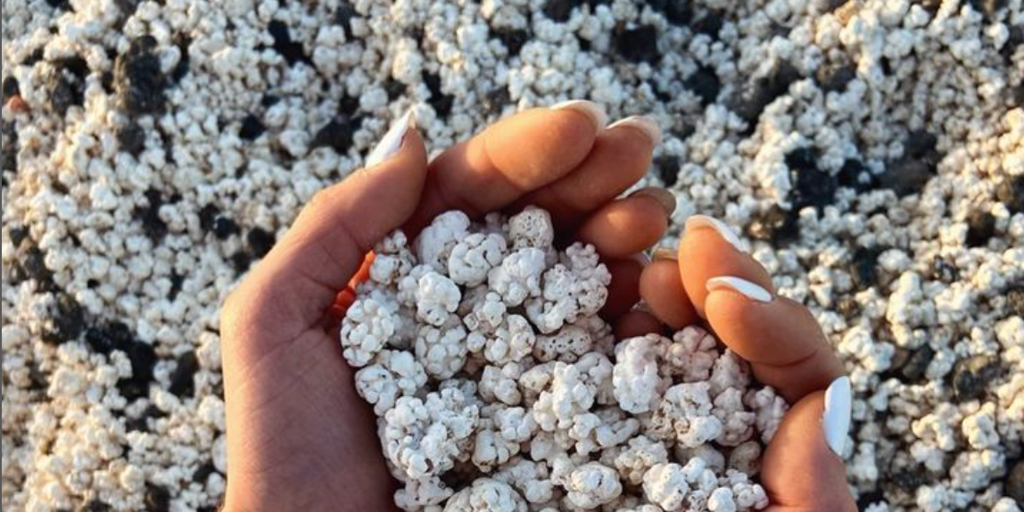
Discovering the Wonders of Popcorn Beach in Fuerteventura
Located in the Canary Islands, Fuerteventura is home to one of the most intriguing natural landmarks known as Popcorn Beach. This distinctive beach has attracted attention not only for its unique appearance but also for its intriguing history and the ecological concerns surrounding it. Here’s a closer look at what makes this beach so special.
The Unique Name: Cotufas or Roscas
In the Canary Islands, popcorn has a local name: cotufas or roscas. This reflects the playful spirit of the islands and gives them a cultural identity that extends beyond just a snack. But what truly distinguishes Fuerteventura’s coastline is the Popcorn Beach, where visitors can find white coral formations resembling popcorn instead of traditional sand.
The Geology Behind Popcorn Beach
Popcorn Beach lies between Majanicho and Corralejo on the northern coast of Fuerteventura. While it may look like a beach full of popcorn, the reality is much more fascinating. The beach’s unique “popcorn” texture comes from rodolitos, a type of white coral. This coral forms through the erosion of calcareous algae mixed with sand over hundreds, if not thousands, of years.
It takes about 50 years for these small pieces of coral to reach the shoreline, and their growth is incredibly slow—only about a millimeter per year. The beaches have actually looked this way since the 17th century, making them not just a modern-day marvel but a historical treasure as well.
Other Unique Beaches in Fuerteventura
While Popcorn Beach is the most famous, it’s not the only one of its kind. Similar formations can be found at El Hierro and Bajo de la Burra Beach in La Oliva, as well as Punta Elena in Corralejo. All these beaches have attracted their own share of curious wanderers and Instagram enthusiasts, who use the hashtag #PopcornBeach to spread the word about these captivating natural wonders.
The Environmental Impact of Tourism
However, this delightful beach is facing a significant challenge. With its surreal beauty comes the temptation for many visitors to take home pieces of it. Unfortunately, the act of collecting these rodolitos, whether for souvenirs or decorative purposes, poses a serious risk to the ecosystem.
Reports indicate that visitors may take up to ten kilograms of material per month from Popcorn Beach. Such an alarming rate of collection threatens to diminish the very beauty that brings people to this special location. The Canary Islands Tourism Authority has raised concerns about this ongoing issue, advocating for a more responsible approach to enjoying the area.
Efforts to Protect Popcorn Beach
To combat the environmental degradation, local authorities have launched awareness campaigns aimed at educating visitors about the ecological value of the area. In addition to these initiatives, legislation exists to protect rodolitos, emphasizing the importance of conservation. Anyone caught removing these corals faces penalties, similar to laws against taking sand or stones from beaches.
A Collective Responsibility
Tour operators, local guides, and residents actively participate in efforts to safeguard both Popcorn Beach and its surrounding habitats. This collective responsibility fosters a culture of respect and awareness, reminding everyone of the need to protect this unique natural attraction.
Visiting Popcorn Beach isn’t just about experiencing its beauty; it’s also an opportunity for visitors to engage in environmental stewardship. By understanding the value of its natural resources, people can enjoy the beach while ensuring its preservation for future generations.
Fuerteventura’s Popcorn Beach is a remarkable place that highlights the intersection of nature, history, and modern tourism. Whether you’re drawn to its unique aesthetic or motivated by a desire to learn about ecological conservation, it stands as a testament to the beauty and fragility of our planet.