A Community’s Lifeline: How Sierra Golf is Redefining Emergency Response
When a heart stops in the rural enclave of Sierra Golf, waiting for a government ambulance is no longer the only option for the community’s 570 villas. Driven by dangerously slow emergency response times in the Murcia region, a coalition of residents has taken matters into their own hands, crowd-funding an independent network of automated external defibrillators (AEDs) and trained responders. This localized approach to emergency medicine not only addresses the immediate needs of the community but also highlights the growing gaps in rural European healthcare infrastructure, offering a blueprint for decentralized first aid.
The Genesis of a Citizen Lifesaving Unit
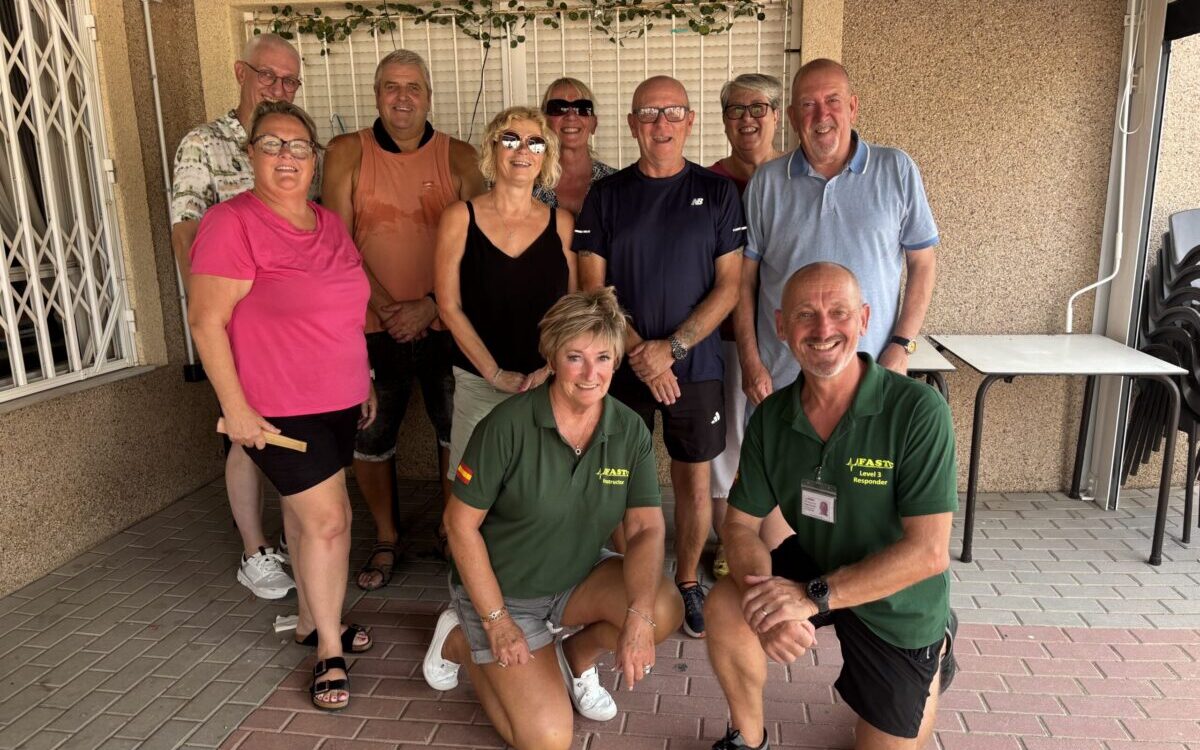
The Sierra Golf First Aid Group was born in 2017, a response to the alarming delays that emergency vehicles faced while navigating the urbanization. The geographic isolation of the community meant that the crucial “golden window”—the first few minutes following a cardiac arrest—was often lost to transit times.
Founding members, many with backgrounds in the military, civil service, and medical fields, recognized that relying solely on state services could be fatal. They initiated a rigorous fundraising and legal compliance campaign, which took over two years to transform into a functioning emergency response framework. This grassroots effort exemplifies how communities can mobilize to fill critical gaps in healthcare.
Navigating Murcian Health Regulations
Deploying medical equipment in public spaces is not without its challenges, particularly in adhering to regional health laws. Under the Murcian Health Authority, the administration of CPR and the use of AEDs are generally restricted to registered medical professionals. However, the community cleverly leveraged the legal “Good Samaritan” doctrine, which allows ordinary citizens to intervene without fear of prosecution when a life is in immediate danger.
To ensure competency and confidence, the core team of 10 to 12 volunteers undergoes continuous retraining. A recent addition to the team, who holds full United Kingdom First Aid Instructor qualifications, ensures that the group’s protocols meet international standards.
- Legal Shielding: Operating under Good Samaritan laws protects volunteers from civil liability during emergency interventions.
- Standardized Training: Regular drills with a recently acquired CPR training dummy ensure that muscle memory is maintained.
- Strategic Placement: AEDs are positioned at equal distances across the 570-villa complex, guaranteeing rapid access from any location.
The Financial Blueprint for Community AEDs
By September 2021, the resident group had successfully raised enough capital to purchase two high-end automated external defibrillators. These devices, which provide automated vocal instructions and analyze heart rhythms before administering a shock, come with a hefty price tag, often costing thousands of euros.
The initiative has since expanded through private donations, allowing for the acquisition of a third defibrillator. This self-funded model demonstrates how communities can bypass bureaucratic budget constraints to secure vital medical technology directly. The financial commitment reflects a collective understanding of the importance of immediate medical intervention.
Lessons for East African Emergency Response
The crisis of delayed ambulance response is not unique to rural Spain. In Kenya, for instance, traffic congestion in Nairobi and vast distances in rural counties like Turkana or Marsabit severely hamper the effectiveness of emergency services.
The Sierra Golf model offers a replicable solution for Kenyan residential estates and gated communities in areas like Kilimani or Karen. By pooling resources through neighborhood associations to purchase AEDs—which cost approximately KES 200,000 locally—and training domestic staff and security guards in basic CPR, communities can drastically improve survival rates for sudden cardiac arrests before paramedics arrive.
- Estate Integration: Kenyan homeowner associations can mandate AEDs in estate clubhouses, ensuring that life-saving equipment is readily available.
- Security Training: Private security guards, often the first responders on the scene, can be certified in basic life support, enhancing their ability to save lives.
- Cost Sharing: The KES 200,000 investment is easily absorbed when divided among hundreds of estate households, making it a feasible option for many communities.
The Future of Decentralized First Aid
The initiative in Murcia underscores a global shift toward decentralized emergency response. As public health systems face budget cuts and aging populations increase the frequency of medical emergencies, the responsibility for initial triage is increasingly falling to citizens.
The volunteers in Sierra Golf have proven that professional-grade emergency intervention can be successfully executed by laypeople. This fundamental shift not only alters the survival calculus for rural residents waiting for the siren but also empowers communities to take charge of their health and safety.
Through their innovative approach, Sierra Golf is setting a precedent for how communities can effectively respond to emergencies, ensuring that no one has to wait helplessly for help to arrive.