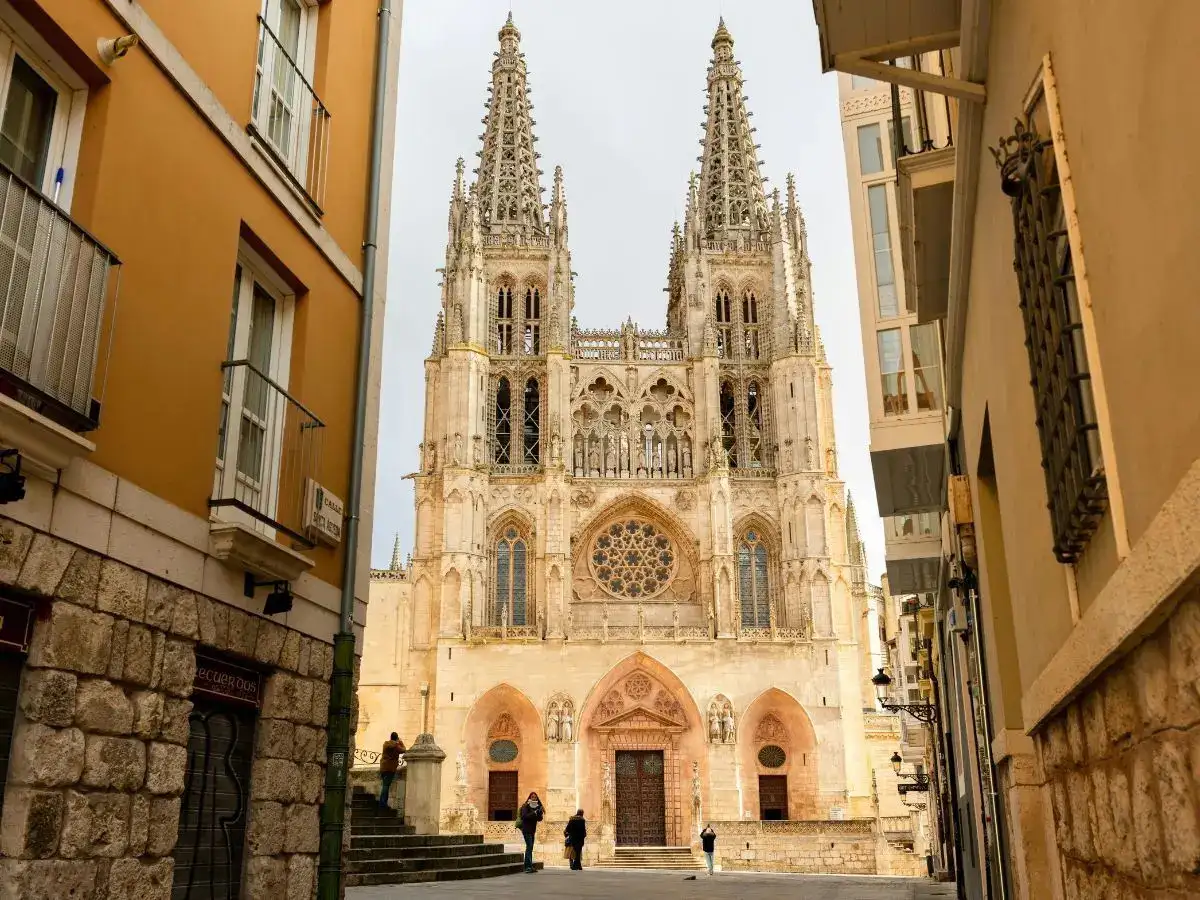
Spain’s Tourism Landscape Amid Middle East Turmoil
Spain’s tourism sector is currently navigating a complex landscape shaped by geopolitical events, particularly the ongoing conflict in the Middle East. On Tuesday, Tourism Minister Jordi Hereu shared insights into how this crisis could influence Spain’s tourism dynamics, highlighting both potential benefits and significant challenges.
A Shift in Tourist Preferences
With tensions rising in the Middle East, many travelers who had initially planned vacations in that region are now looking for safer alternatives. Spain, with its sunny beaches and rich cultural heritage, is emerging as a prime destination for these tourists. Hereu noted a noticeable uptick in last-minute bookings, suggesting that travelers are increasingly considering Spain as a refuge from the unrest. This shift could lead to a “magnificent” Easter season for the tourism sector, a time traditionally marked by increased travel.
Economic Implications of Increased Tourism
The influx of tourists is not just a boon for local businesses; it also plays a crucial role in Spain’s broader economic health. In 2025, Spain welcomed a record 97 million foreign visitors, marking a 3.5 percent increase from the previous year. This surge has positioned Spain as the world’s second most visited country, trailing only behind France. The economic benefits are substantial, with tourism revenues contributing significantly to Spain’s status as one of the fastest-growing economies in Europe.
The Double-Edged Sword of Rising Costs
However, the optimism surrounding increased tourist arrivals is tempered by rising energy costs, which have a direct impact on air travel expenses. Hereu pointed out that most international tourists arrive by plane, making air transport costs a critical factor in the overall tourism equation. As energy prices climb, the cost of flying to Spain may deter some potential visitors, complicating the positive outlook for the tourism sector.
Historical Context: The Arab Spring’s Influence
The current situation is reminiscent of past events, particularly the Arab Spring uprisings that began in 2010. During that period, Spain saw a significant boost in tourism as travelers sought safer alternatives to conflict-ridden destinations like Tunisia and Egypt. Spaniards themselves also opted to explore their own country rather than venture into areas of unrest, further bolstering domestic tourism.
Cautious Optimism Amid Uncertainty
While the immediate outlook for Spain’s tourism sector appears promising, the Bank of Spain has issued warnings about a potential “significant slowdown” due to the ongoing conflict in the Middle East. Despite this caution, the bank still projects a growth rate of 2.3 percent for the year, indicating a resilient economy that may weather the storm.
Key Markets: The British and German Influence
A significant portion of Spain’s international arrivals comes from Britain and Germany, which together account for roughly one-third of all tourists. This demographic is crucial for the Spanish tourism industry, and any shifts in travel patterns from these countries could have a pronounced impact on overall visitor numbers.
Conclusion: A Complex Future
As Spain’s tourism sector braces for the upcoming months, it faces a unique blend of opportunities and challenges. The potential influx of tourists fleeing conflict zones could provide a much-needed boost, but rising costs and geopolitical uncertainties loom large. The interplay between these factors will shape the future of tourism in Spain, making it a critical area to watch in the coming months.