Spain’s Renewable Energy Revolution: A 19% Reduction in Energy Bills
Spain has emerged as a beacon of hope in the global transition to renewable energy, showcasing how strategic investments in clean energy can lead to substantial economic benefits. Recent reports indicate that the country’s shift from gas to renewable energy sources has resulted in a remarkable 19% reduction in energy bills for consumers. This transformation not only highlights Spain’s commitment to sustainability but also serves as a case study for other nations grappling with energy costs and climate change.
The Shift from Gas to Renewables
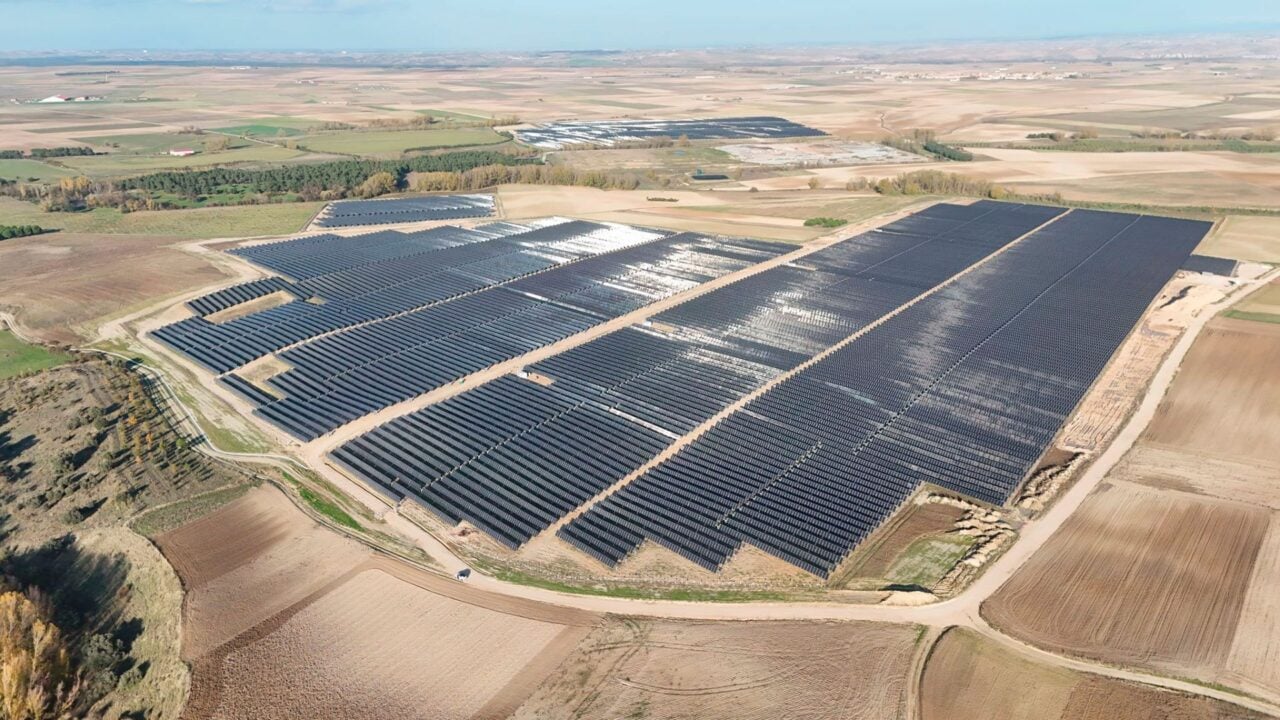
Historically, Spain’s energy landscape was heavily reliant on gas, which exposed consumers to the volatility of global energy markets. However, over the past decade, the country has made significant strides in deploying renewable energy technologies, particularly solar and wind power. By investing in these resources, Spain has successfully decoupled its energy prices from the fluctuations associated with gas prices, providing a more stable and predictable energy cost for its citizens.
The Role of Policy and Investment
Government policies have played a crucial role in facilitating this transition. Spain’s commitment to renewable energy is enshrined in its national energy and climate plans, which aim to achieve a substantial reduction in greenhouse gas emissions by 2030. The government has implemented various incentives, including subsidies for renewable energy projects and tax breaks for clean energy investments. These measures have encouraged both public and private sectors to invest in renewable technologies, leading to a significant increase in capacity.
Economic Benefits for Consumers
The financial implications of this shift are profound. The 19% reduction in energy bills translates to substantial savings for households and businesses alike. For many families, this decrease means more disposable income, which can be redirected toward other essential needs or investments. Small and medium-sized enterprises, which often face tighter margins, benefit significantly from lower energy costs, allowing them to remain competitive in an increasingly challenging economic environment.
Environmental Impact
Beyond the economic advantages, Spain’s transition to renewable energy has had a positive impact on the environment. By reducing reliance on fossil fuels, the country is making strides toward meeting its climate goals. The increased use of solar and wind energy has led to a decrease in carbon emissions, contributing to cleaner air and a healthier environment. This shift not only benefits current generations but also ensures a more sustainable future for the planet.
Technological Innovations
Spain’s renewable energy sector is also characterized by technological advancements. The country has become a hub for innovation in solar and wind technologies, with numerous research and development initiatives aimed at improving efficiency and reducing costs. These innovations are not only beneficial for Spain but also have the potential to be exported globally, positioning the country as a leader in the renewable energy market.
Community Engagement and Awareness
Public support has been a vital component of Spain’s renewable energy success story. Community engagement initiatives have raised awareness about the benefits of renewable energy, fostering a culture of sustainability. Educational programs and local projects have empowered citizens to participate actively in the energy transition, whether through community solar projects or energy efficiency initiatives. This grassroots involvement has helped to build a strong foundation for ongoing support of renewable energy policies.
Challenges Ahead
Despite the successes, challenges remain. The integration of renewable energy into the existing grid infrastructure poses technical hurdles that need to be addressed. Additionally, ensuring energy equity for all citizens, particularly in rural areas, is essential to avoid disparities in access to affordable energy. Policymakers must continue to navigate these challenges while maintaining the momentum of the renewable energy transition.
Global Implications
Spain’s experience serves as a valuable lesson for other countries looking to transition to renewable energy. The combination of strong policy frameworks, public support, and technological innovation can create a sustainable energy future that benefits both the economy and the environment. As nations worldwide grapple with rising energy costs and climate change, Spain’s model offers a roadmap for achieving similar successes.
In summary, Spain’s transition from gas to renewable energy has not only reduced energy bills by 19% but has also set a precedent for sustainable energy practices globally. The journey is ongoing, but the progress made thus far is a testament to what can be achieved through commitment, innovation, and community engagement.


