Spain’s Complex Relationship with Islam: A Historical and Cultural Analysis
A Bold Stance Amidst Historical Shadows
In recent weeks, Spain’s Prime Minister Pedro Sanchez has garnered attention for his outspoken opposition to Western military actions against Iran, positioning Spain as a moral voice in a turbulent geopolitical landscape. While this stance has been praised, it is essential to recognize the historical and cultural complexities that underpin Spain’s relationship with Islam and Muslims. The anti-war rhetoric may appear commendable, but it coexists with a troubling legacy of Islamophobia and cultural paternalism that continues to shape Spanish society.
The Rise of Islamophobia in Spain
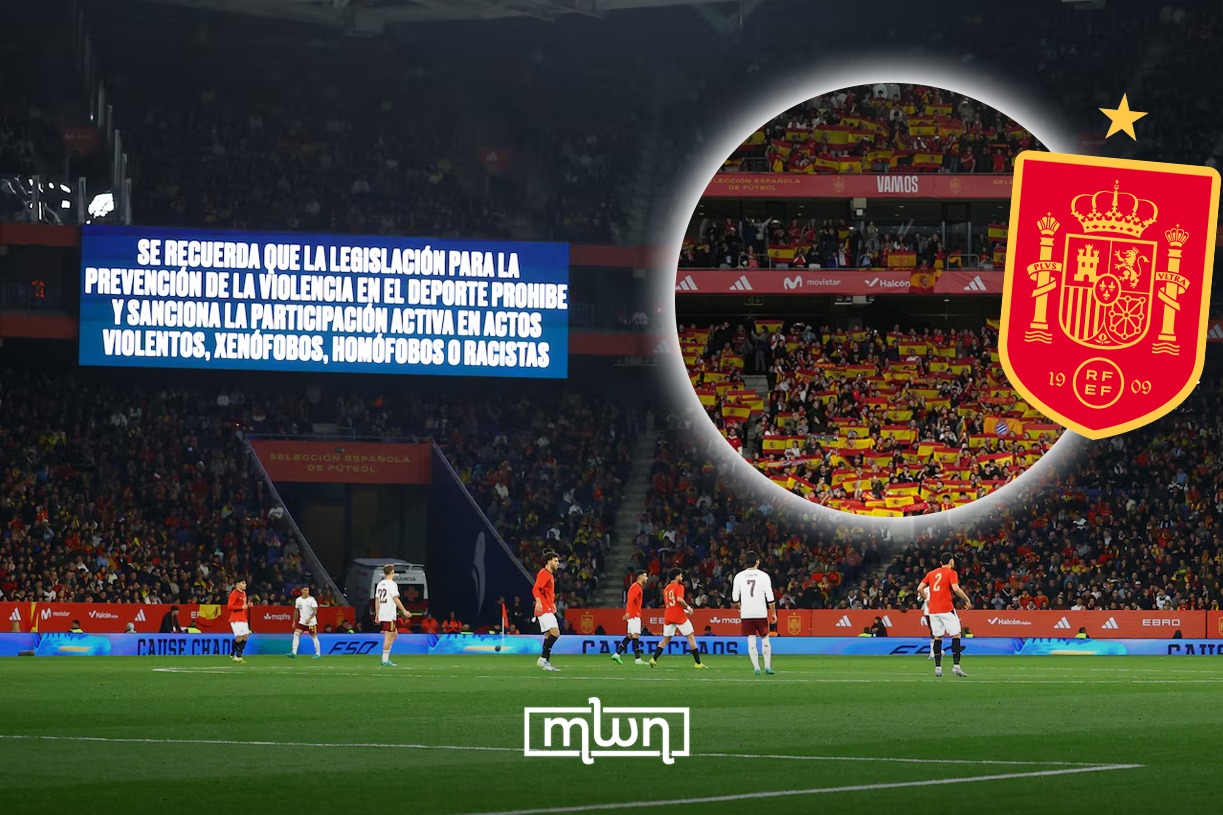
The recent Islamophobic chants by Spanish fans during a friendly match against Egypt serve as a stark reminder of the normalization of anti-Muslim sentiments in Spain. While some observers may attribute this trend to the rise of far-right parties across Europe, it is crucial to understand that these sentiments are deeply rooted in Spain’s historical context. The expulsion of Muslims from the Iberian Peninsula in 1492 marked a significant turning point, leading to a long-standing effort to distance Spanish identity from its Islamic past.
Historical Roots of Cultural Superiority
Spain’s discomfort with its Muslim heritage has manifested in various ways throughout its history. The expulsion of Muslims was not merely a political act; it was accompanied by a cultural narrative that sought to purify Spanish identity. Acknowledging the country’s Muslim past has often been viewed as a threat to its Western identity. This historical amnesia has led to a sustained effort to demonize Muslims, perpetuating a narrative that portrays them as inferior and culturally backward.
The Role of Education in Shaping Perceptions
The portrayal of Islam and Muslims in Spanish education has played a significant role in shaping public perceptions. Textbooks have historically presented Islam in a negative light, reinforcing stereotypes and biases. Authors of these educational materials have often sought to distance Spain from its Arab-Muslim past, perpetuating a narrative that frames Muslims as the “other.” This educational framework has contributed to a cultural landscape where Islamophobia is not only tolerated but, in some cases, embraced.
Morocco: The Scapegoat of Spanish Cultural Paternalism
Morocco, due to its geographical proximity, has often been the focal point of Spain’s cultural paternalism. Spanish literature and political discourse have consistently portrayed Morocco as a weak and backward nation in need of guidance. This narrative has been used to justify colonial ambitions and military interventions, perpetuating a cycle of dehumanization and cultural infantilization. The historical relationship between Spain and Morocco is marred by violence and exploitation, yet this reality is often glossed over in educational materials.
The Need for Structural Reforms
Addressing the pervasive racism and Islamophobia in Spain requires more than mere statements of condemnation. It necessitates a profound reform of educational curricula to eliminate narratives that portray Muslims as inferior or threatening. Acknowledging and embracing Spain’s rich Islamic heritage could foster a more inclusive national identity.
Furthermore, an official apology to the Muslim community for historical injustices, including the expulsion of Muslims in 1492, would be a significant step toward reconciliation. While Spain has issued apologies to other communities, such as the Jewish population, the absence of a similar gesture toward Muslims underscores a troubling inconsistency in addressing historical wrongs.
The Cultural Landscape Today
The recent incidents of racism in Spanish football stadiums highlight the urgent need for cultural introspection. The chants directed at Egyptian players during a friendly match are not isolated events but rather part of a broader pattern of intolerance that permeates various aspects of Spanish society. The experiences of players like Vinicius Junior, who has faced racism in La Liga, further illustrate the deep-seated issues that require immediate attention.
A Call for Genuine Change
Spain’s recent vocal support for Palestine and condemnation of Israeli policies is commendable, yet it cannot erase the historical injustices faced by Muslims in Spain. To genuinely combat racism and Islamophobia, Spain must confront its colonial past and the narratives that have shaped its national identity. This requires a commitment to radical reforms in education, media representation, and public discourse.
In summary, while Spain’s recent political stance may reflect a newfound moral courage, it is crucial to recognize the historical and cultural complexities that continue to influence attitudes toward Islam and Muslims. Acknowledging this legacy is essential for fostering a more inclusive and respectful society.