The Overtourism Dilemma in Spain: A Coruña and Beyond
During my annual visit to A Coruña, a coastal gem in northwest Spain, I stumbled upon a hastily painted graffiti message on a bustling street: “TOURISTS GO HOME!” This sentiment, while striking, reflects a growing tension in a city that, despite being less frequented than Barcelona or Ibiza, is feeling the weight of increasing tourist numbers. A Coruña, once a hidden treasure, is now becoming a popular stop for cruise ships from Germany, the UK, and the US, leading to a rise in local frustrations.
The Rising Tide of Tourism
Spain, known for its vibrant culture and stunning landscapes, is grappling with the consequences of overtourism. This summer, protests erupted across the country as locals voiced their concerns over the impact of tourism on their communities. In cities like Barcelona, demonstrators picketed hotels and confronted tourists, even resorting to playful tactics like spraying water pistols. The tourism sector, which contributes over 12% to Spain’s GDP, is increasingly blamed for gentrification, soaring housing costs, and environmental degradation.
The Other Side of the Coin: Wine Tourism
Despite the backlash against mass tourism, not all forms of tourism are viewed negatively. In Spain’s wine regions, a different narrative is emerging. The concept of “enoturismo,” or wine tourism, is gaining traction as a sustainable alternative. This form of tourism not only redistributes visitors from crowded urban centers to rural areas but also offers year-round opportunities for exploration, helping to alleviate the seasonal pressures faced by traditional tourist hotspots.
Wine tourism is proving to be economically beneficial, generating over €100 million annually from winery visits and museums alone. This influx of visitors supports local economies and counters the depopulation of rural areas, a phenomenon that has plagued Spain since the mid-20th century.
Inland Discoveries: The Allure of Rural Wineries
As tourists seek authentic experiences, many are venturing inland to explore Spain’s wine regions. In Mallorca, for instance, wine lovers are increasingly drawn to the island’s interior, escaping the chaos of the coastline for a more tranquil experience. Araceli Servera Ribas, a tenth-generation winemaker at Bodegas Ribas, notes that 85% to 95% of her visitors are international, eager for genuine cultural experiences.
Wineries are adapting to this demand by offering intimate tours and unique events, such as jazz concerts and vineyard lunches. This approach not only enhances the visitor experience but also fosters a deeper connection between tourists and the local culture.
Sustainable Practices in Wine Tourism
Marina Vera, director of Vi de la Terra de Mallorca, emphasizes that wine tourism is inherently more sustainable than mass tourism. With wineries open year-round, the flow of visitors is more balanced, reducing the strain on local infrastructure. Tourists spend directly at the wineries, ensuring that the economic benefits remain within the community.
However, as the popularity of wine tourism grows, so does the need for responsible management. Ribas cautions that while the influx of visitors is welcome, it must be handled with care to avoid overcrowding.
Beyond the Obvious: A Shift in Visitor Expectations
Wine tourism is not just about tasting; it’s about creating memorable experiences. Noelia Villarreal Moreno from Bodegas Javier San Pedro Ortega highlights that today’s visitors are more discerning, seeking authenticity rather than simply ticking off destinations. This shift has prompted wineries to innovate continually, offering new experiences that connect wine with art, culture, and local traditions.
The intimate nature of wine tourism stands in stark contrast to the mass tourism that plagues Spain’s beaches. Villarreal believes that the slower pace of wine tourism encourages deeper connections, allowing visitors to savor each moment rather than rushing through.
Personal Connections: The Heart of Wine Tourism
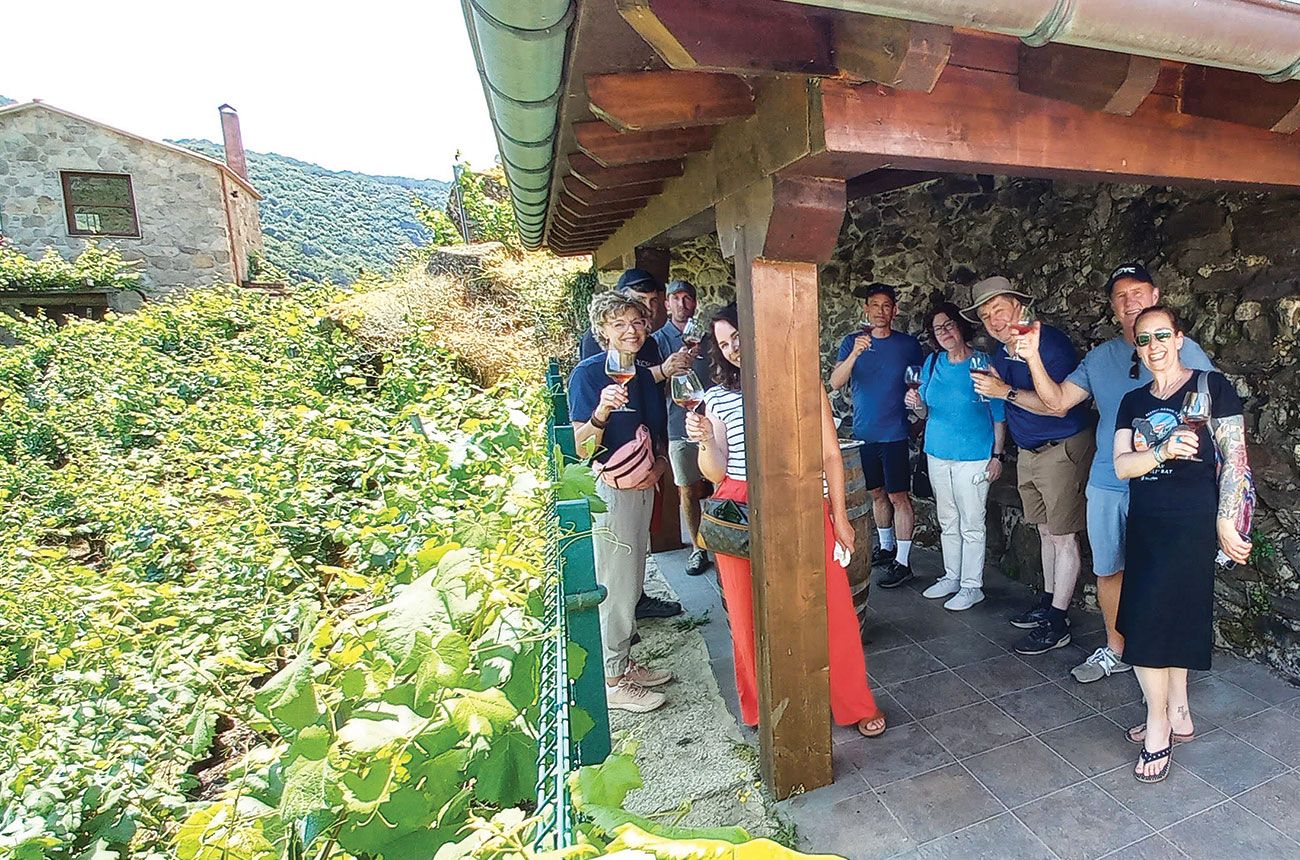
At Pazo Señorans in Galicia’s Rías Baixas, Iago Castro Rodríguez emphasizes the importance of personal connections in wine tourism. Each visit is a tailored experience led by knowledgeable staff, showcasing the philosophy and craftsmanship behind their wines. This personalized approach not only enhances the visitor experience but also fosters a sense of community.
As wine tourism becomes a year-round endeavor, it creates stable employment opportunities in regions that might otherwise struggle economically. Adrian McManus, founder of North West Iberia Wine Tours, notes that the new generation of winemakers is keenly aware of the importance of promoting their regions, ensuring that wine tourism remains a sustainable and enriching experience.
Going with the Flow: Planning for Wine Tourism
While wine tourism offers a wealth of opportunities, a bit of planning can enhance the experience. Ribas advises booking in advance, as many wineries operate with small group sizes to maintain an intimate atmosphere. Flexibility is also crucial; unexpected vineyard tasks may require last-minute changes to planned visits.
Cultural exchange and respectful travel are essential when exploring wine regions. Castro reminds visitors that experiencing Galicia is different from typical tourist destinations, urging them to adapt to the local culture and practices.
The Future of Tourism in Spain
Spain’s struggle with overtourism is far from over, but the rise of wine tourism offers a promising alternative. By focusing on community, relationships, and respect, enoturismo presents a viable path forward. As Spain navigates the complexities of tourism, the wine regions stand out as a model for sustainable and enriching travel experiences.


