The Rise of Workcations: Remote Workers Flock to Europe’s Sunny Islands
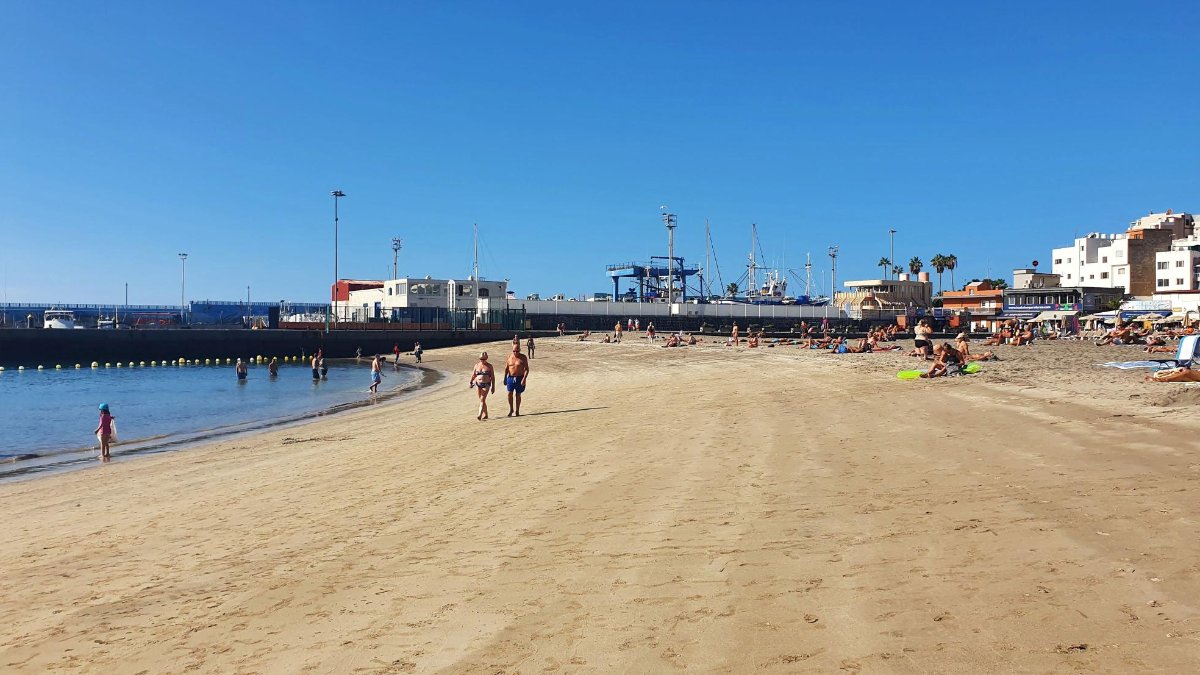
In recent months, Europe’s southernmost islands have become a sanctuary for remote workers. These sun-drenched destinations offer not just beautiful coastlines but also robust Wi-Fi connectivity, allowing workers to swap their traditional offices for stunning sea views. This trend of “workcationing” is a blessing for tourism sectors still grappling with the impacts of the pandemic.
Productivity Meets Paradise
Take the experience of Olga Paul, a 34-year-old business analyst from Munich, who traveled to Gran Canaria for her first remote working stint in May. After months of confinement during the pandemic, she finds herself more productive than ever. “I can concentrate on my work and explore the islands on weekends … it feels great,” she says, enjoying her rooftop sea view during breaks. Such sentiments reflect a growing trend where combining work with leisure is becoming increasingly appealing to professionals.
Impact on Tourism in Spain and Portugal
As travel restrictions ease, Spain and Portugal’s sun-kissed islands are seeing an influx of digital nomads. Jennifer Iduh, the head of research at the European Union’s tourism body, states that the digital nomad category has been crucial for the tourism sector during the pandemic, significantly boosting local economies through long-term stays.
Despite being tricky to quantify due to their classification as tourists, remote workers are clearly making their presence felt. The proliferation of co-working spaces and cafés now advertising high-speed Wi-Fi for those who work remotely underscores this new reality.
A Slow Recovery But Growing Interest
However, the overall tourism numbers remain concerning. Arrivals in Spain during the first half of the year were merely a third of the 10 million visitors recorded in the same period in 2019. Still, local associations in the Canary Islands and Madeira have reported a considerable uptick in remote workers, even amidst peak vacation seasons. The Canary Island of Tenerife was recognized as one of the fastest-growing teleworking destinations in early 2021, with many opting for extended stays ranging from weeks to months.
The Surge in Digital Nomad Communities
Nele Boesmans, a Belgian residing in Fuerteventura, noted a marked increase in remote workers visiting her island. Membership in her Facebook group, “Digital Nomads Fuerteventura,” has grown fivefold since the beginning of the pandemic. Airlines have also reported a surge in bookings from mainland Europe, with Ryanair noting an 88% increase in flights to the Canary Islands from April to July.
New Spaces for Remote Work
The Canary Islands are adapting to this new demographic. Ignacio Rodriguez, who leads a co-working space association, noted that approximately 8,000 remote workers arrived in the first half of this year alone, with another 30,000 expected over the next five years. In Madeira, local authorities created a dedicated office to assist remote workers, far surpassing their initial expectations of 500 requests.
In the whimsically charming village of El Cotillo in Fuerteventura, a successful campaign has led to the establishment of a new co-working hub, COCO. Matteo Leoni, who noticed a surge in visitors from major European cities, designed COCO to accommodate the influx, complete with relaxation zones and café amenities.
Attractive Packages and Promotions
Hotel chains like Melia and Vincci are eager to attract remote workers with discount packages tailored for extended stays. Iberia airlines has also introduced a 10% reduction for those seeking temporary workspaces amidst the beauty of the Canary Islands. Other countries like Croatia and Greece have followed suit, developing special visas aimed at enticing long-term visitors looking for remote work opportunities in picturesque settings.
Long-Term Trends and Variable Future
As remote work aims to become a more permanent option for many, it remains to be seen how office mandates will shape this trend. While some companies are pushing for a return to traditional workspaces, many remote workers express their intent to continue this lifestyle. Alexander Swanton, a freelance screenwriter in Gran Canaria, shares his enthusiasm for the workcation life, stating that everyone he meets is enjoying it.
Similarly, Joao Santos, a Portuguese web developer, is determined to maintain his after-work beach trips, reaffirming his desire to work remotely for the foreseeable future. The growing number of digital nomads reveals a transformative shift in how people approach work and travel, making these sun-soaked retreats more than just vacation spots; they are emerging as viable work destinations for the modern workforce.