The Discovery of the Giant Lizard in Fuerteventura
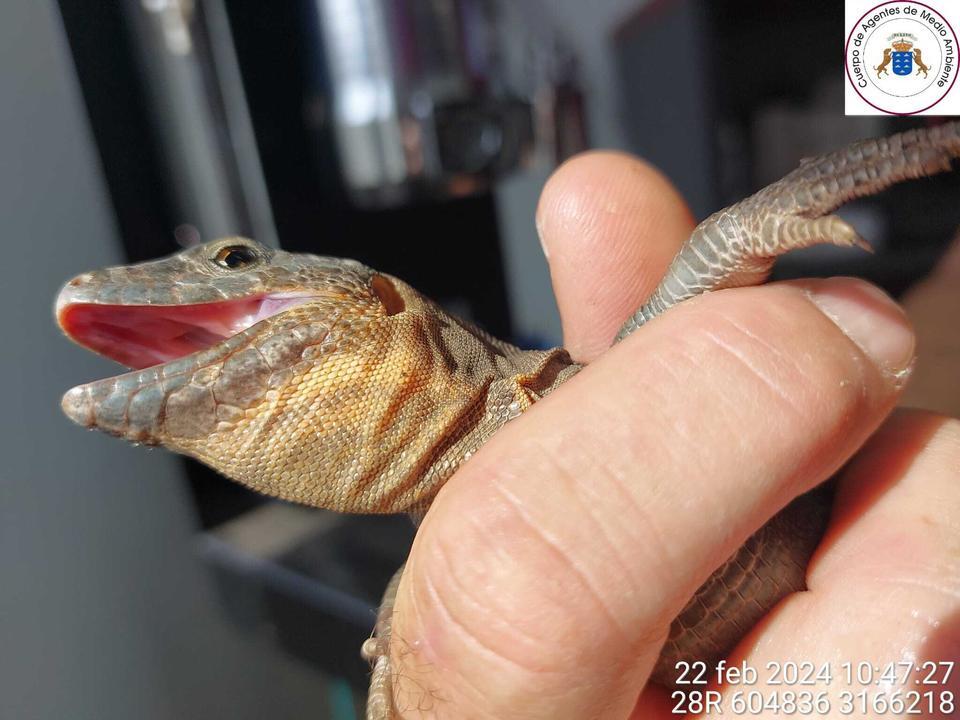
Recently, a fascinating incident unfolded in Lajares, a quaint village nestled in the municipality of La Oliva, Fuerteventura. The local environmental authorities, under the leadership of Carlos Rodríguez, were alerted to a remarkable discovery: a giant lizard from Gran Canaria (Gallotia stehlini) had made an unexpected appearance on a private property.
How the Giant Lizard Was Found
The discovery occurred when a vigilant neighbor was inspecting his home garden for signs of damage to his plants. To his surprise, he found the elusive reptile caught in a trap intended to identify the culprits behind the damage. Measuring an impressive 44 centimeters in length and weighing 117 grams, the reptile’s presence raised immediate concerns regarding its well-being and ecological impact.
Immediate Care and Attention
Upon notification, the Área de Medio Ambiente y Caza promptly took action. The giant lizard is currently receiving care at the Estación Biológica de La Oliva, a facility that plays a vital role in wildlife rehabilitation and research. Managed by RedEXO through the service concessionaire GESPLAN, the center is ensuring that the lizard receives the necessary medical attention while the authorities assess its condition and plan for its future.
The species, endemic to Gran Canaria, requires specialized handling to ensure it remains healthy during its evaluation. Local conservationists are working diligently to monitor its status and decide on the most appropriate course of action to protect this unique reptile.
The Release Process
Once the necessary administrative procedures are completed, the giant lizard will be returned to its natural habitat in Gran Canaria. This important task will be coordinated by RedEXO, demonstrating their commitment to preserving the region’s biodiversity and ensuring the safe relocation of the species.
Importance of Local Conservation Efforts
Carlos Rodríguez, the local councilor in charge of the environment, emphasized the significance of collaboration among experts and organizations working towards the conservation of native flora and fauna. He stated, “From the Environmental Area, we continue working on the preservation of native wildlife, closely collaborating with experts to ensure the conservation of the species inhabiting our archipelago.”
This statement underlines the critical role of community involvement and expert collaboration in safeguarding ecological integrity. The incident serves as a reminder of the delicate balance within ecosystems and the importance of protecting native species.
Ecological Significance of the Giant Lizard
The giant lizard of Gran Canaria is not just a fascinating creature but an ecological linchpin. Primarily herbivorous, it plays an essential role in seed dispersal for various plant species. By aiding in the distribution of seeds, the lizard contributes significantly to maintaining the health of its ecosystem, showcasing the interconnectedness of life on the islands.
The Role of RedEXO
The Canary Islands have established the Red Canaria de Alerta Temprana de Especies Exóticas Invasoras (RedEXOS) to help monitor and manage invasive species. This network aims to locate, identify, control, and eliminate new populations of such species to prevent their establishment and proliferation. Such initiatives are crucial for protecting native wildlife and preserving the rich biodiversity of the region.
Community Involvement
In light of this incident, the Cabildo is encouraging residents to remain vigilant. Citizens are urged to report any sightings of exotic species that may pose a threat to local ecosystems by contacting emergency services at 112. This proactive approach highlights the vital role that community members play in wildlife conservation efforts.
By fostering awareness and promoting community reporting, authorities aim to mitigate the risks associated with invasive species, ensuring the sustainability and health of the unique biodiverse landscapes of the Canary Islands.
The discovery of the giant lizard in Lajares is not just a local curiosity; it serves as a poignant reminder of our responsibility to protect the delicate ecosystems that surround us. Through collaboration, education, and active community engagement, we can ensure the preservation of our natural heritage for generations to come.