Fuerteventura’s Entrepreneurial Evolution: A Hub for Startups
Subheadline: Fuerteventura emerges as a promising arena for innovative entrepreneurs.
In recent years, Fuerteventura has transformed from a serene getaway into an exciting hub for startups. The island’s unique blend of stunning landscapes and a growing digital infrastructure has garnered attention from entrepreneurs seeking a conducive environment for their ventures. With a supportive local government and initiatives aimed at fostering innovation, Fuerteventura is poised to attract businesses looking to thrive in a picturesque setting.
The island’s strategic location within the Canary Islands offers a competitive advantage, making it an appealing entry point for European and African markets. Initiatives such as business incubators and networking events are nurturing a vibrant entrepreneurial community, bolstered by the island’s rising popularity as a tech and remote work destination. This shift is not merely a trend; it signifies Fuerteventura’s evolving identity in the global startup landscape.
As the island continues to enhance its resources for entrepreneurs, the potential for economic growth becomes ever more palpable. Access to funding, mentorship, and collaboration with local enterprises is creating an ecosystem where innovation can flourish. For those considering their next business move, Fuerteventura not only offers breathtaking views but also the promise of a thriving entrepreneurial future.
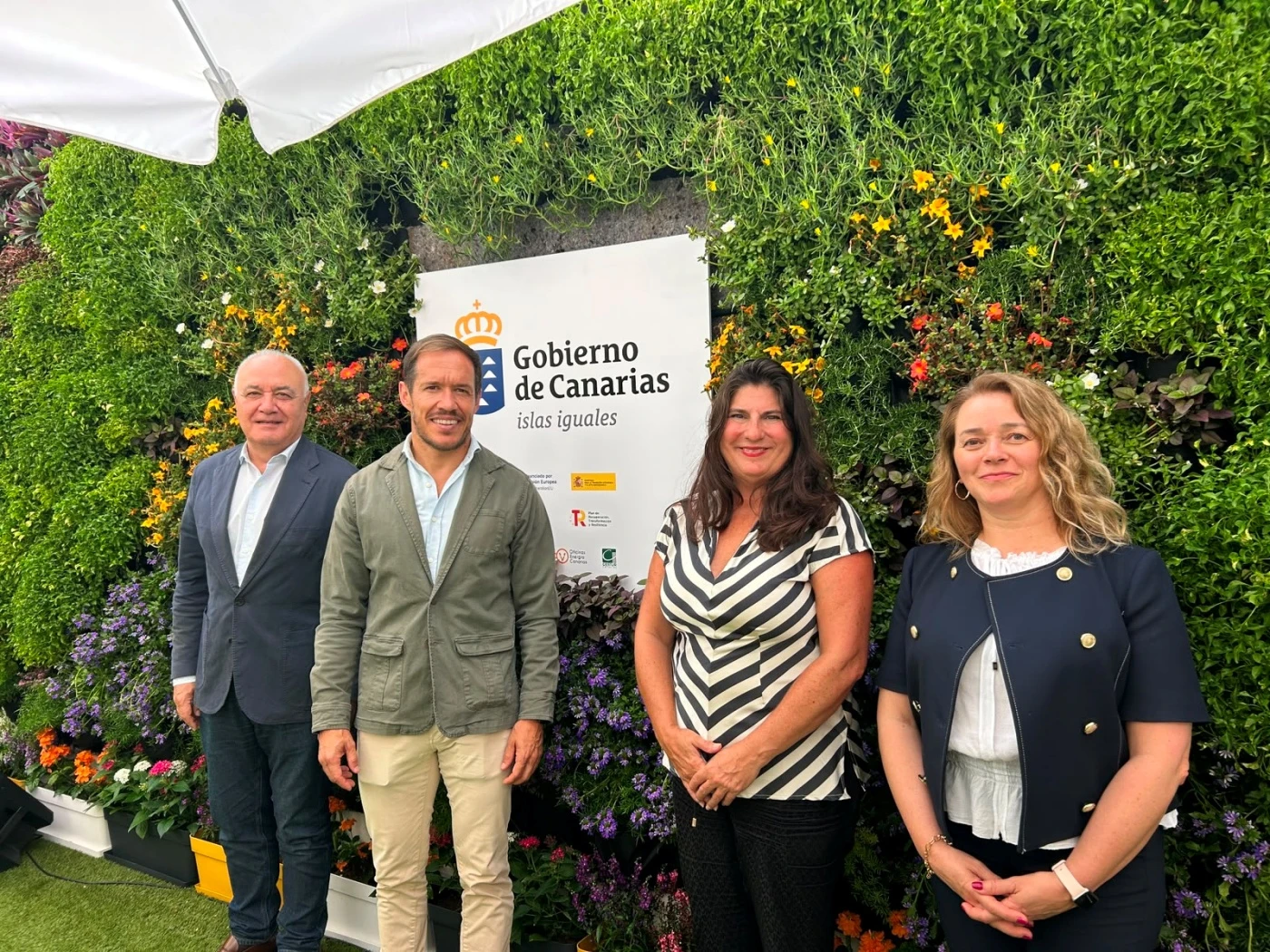
Source: Gobierno de Canarias
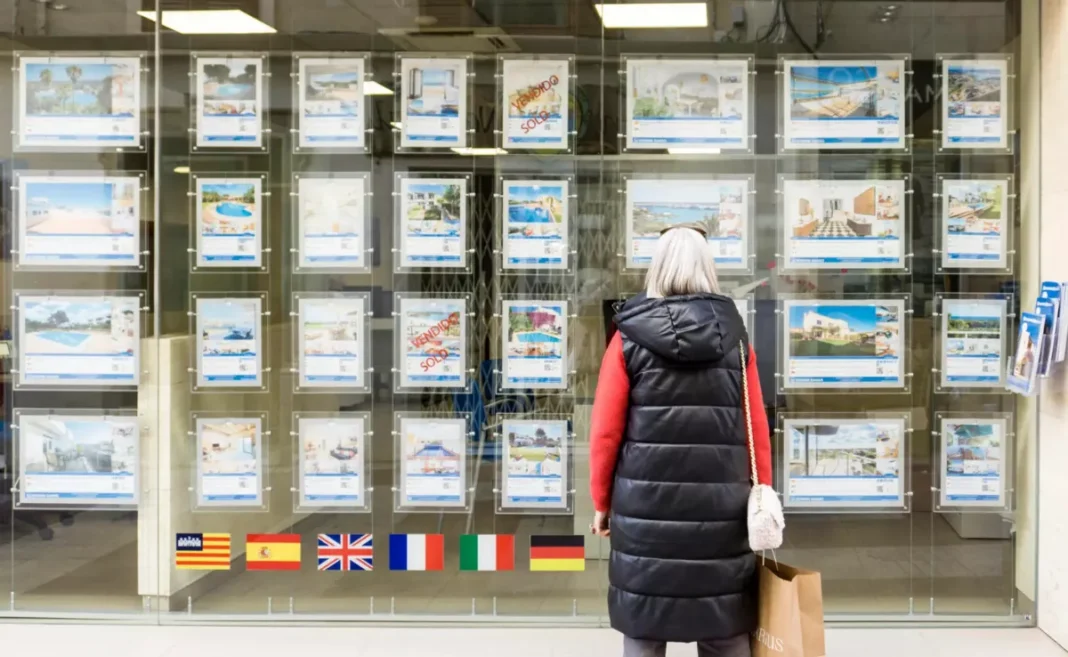
The Canary Islands have become one of the main real estate destinations for the Italian population who live or are looking for a home in Spain. During 2025, citizens of this nationality carried out just over 2,000 sales in the Archipelago and concentrated around 25% of all operations carried out by foreign buyers on the Islands. The weight acquired in the Canary Islands market coincides with a record year for Italian buyers in the country as a whole. In Spain, they acquired 8,948 homes, 6.3% more than the previous year, the highest figure in the historical series of the General Council of Notaries. One in four foreign purchases Purchases in the Islands stand out compared to other communities where even more purchases were closed. In Catalonia, for example, Italian buyers acquired nearly 2,700 homes, but they represented around 12% of foreign sales. In Madrid there were around 1,250 operations and they accounted for approximately 13%. In the Archipelago, on the other hand, almost one in four homes bought by foreigners was purchased by Italian citizens. Most searched municipalities This interest continues to be maintained during 2026. And although the demand registered by Idealista places Barcelona, Madrid and Valencia as the most searched cities from Italy, the majority of municipalities searched are from the Canary Islands. Of the 15 Spanish municipalities that arouse the most interest among Italian users of the portal, six are in the Canary Islands. They are Arona and Adeje, in Tenerife; Las Palmas de Gran Canaria and San Bartolomé de Tirajana, in Gran Canaria; and La Oliva and Antigua, in Fuerteventura. More than 55,000 Italians in the Canary Islands In the entire Archipelago, 55,553 people with Italian nationality resided at the beginning of 2025, around 2.5% of the entire Canary Islands population. The community has increased progressively over the last few years. In 2021, there were 50,384 Italian residents, so 5,169 people joined in four years. This represents an approximate growth of 10.3% between 2021 and 2025. The Italian presence, municipality by municipality The municipality included in the Idealista classification that brings together the largest number of Italian residents is Arona, where at the beginning of 2025 7,637 people with this nationality were registered. They represented around 8.6% of the total population of the Tenerife municipality. They were followed by Adeje, with 5,501 Italian residents, equivalent to 10.9% of its inhabitants, and La Oliva, with 5,310, where the weight of the local population rose to 17.8%. 3,989 Italian citizens lived in Las Palmas de Gran Canaria; in San Bartolomé de Tirajana, 3,312; and in Antigua, 1,588. These data show that Italian real estate interest is mainly concentrated in tourist and coastal municipalities of Tenerife, Gran Canaria and Fuerteventura, places where there is already a consolidated resident community. Fuerteventura, one of the main focuses The Italian presence is especially visible in Fuerteventura. At the beginning of 2025, the island had 9,802 residents of Italian nationality, a community concentrated mainly in the municipalities of La Oliva and Antigua. 54% of all residents of this nationality on the island meet in La Oliva. And, although it is not the Canarian municipality with the most Italians in absolute terms, La Oliva is where this community has the greatest relative weight. The 5,310 residents represent 17.8% of its population, that is, almost one in five neighbors. Additionally, the community has grown in recent years, going from 4,561 people in 2021 to 5,310 in 2025, an increase of 16.4%. This presence is framed in a broader context: Fuerteventura is the island with the highest proportion of foreign population and in La Oliva more than half of the inhabitants have non-Spanish nationality. A buyer who already lives in Spain The profile of the Italian buyer does not respond solely to that of a person looking for a second home to spend their holidays. In Spain as a whole, 86.5% of the homes purchased by Italians during 2025 were purchased by people who already resided in the country. In total, Italian residents carried out more than 7,740 sales. In addition, they paid an average price of 2,549 euros per square meter, above the 1,963 euros paid on average by all resident foreign buyers. The data does not allow us to determine how many homes are intended for habitual residence, second home or investment. They do reflect, however, that Italian real estate interest in the Canary Islands is closely related to the existence of a large resident community settled in the main tourist municipalities of the Archipelago, especially in the north of Fuerteventura. Add AtlánticoHoy as a preferred Google source for free Stay informed with the latest news. Activate now
Originally reported by www.atlanticohoy.com, rewritten by the Fuerteventura Times AI Editorial Desk.