Passenger Traffic at the Autonomic Ports of the Canary Islands: A Year in Review
The year 2025 marked an impressive chapter for the autonomic ports managed by the public entity Puertos Canarios. Closing the year with an astonishing 5,781,622 movements of passengers, encompassing both embarkations and disembarkations, these ports achieved a daily average of 15,840 users. This volume not only underscores the importance of these infrastructures but also cements their role as vital connections within the inter-island transportation network.
Regular versus Non-Regular Traffic
Diving deeper into the statistics, 5,476,547 of the total movements were attributed to regular routes, which represents a 3.2% increase from the previous year, 2024. This figure accounted for 94.7% of the total traffic, showcasing the reliance of passengers on established routes. In contrast, 305,075 movements were recorded from non-regular services, illustrating a diverse offering in maritime transport that caters to varying needs.
Key Ports and Their Significance
The activity witnessed in 2025 was primarily concentrated in six key ports: Agaete, Corralejo, Playa Blanca, Morro Jable, Caleta de Sebo, and Órzola. Impressively, these ports together handled 96.8% of the overall passenger traffic. Among them, the ports of Agaete, Corralejo, and Playa Blanca stood out, combining to represent 63.8% of all passenger movements throughout the year.
The Port of Corralejo: A Major Player
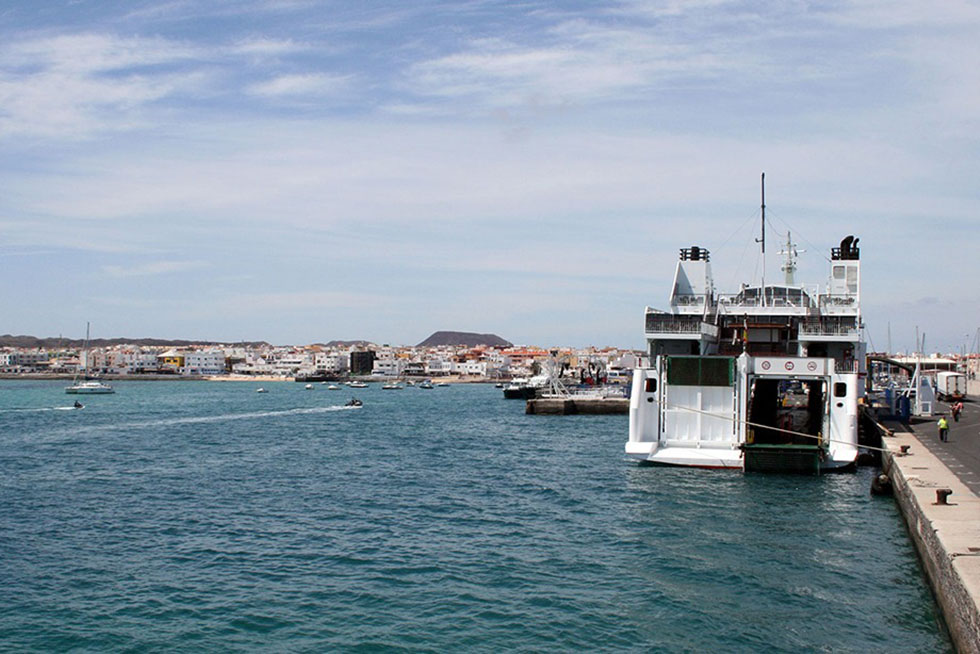
The port of Corralejo, located in Fuerteventura, emerged as one of the primary nodes of traffic within the autonomic system, recording 1,247,953 movements. This reinforces its position as a central hub for inter-island connectivity, facilitating travel between islands and contributing significantly to local economies.
Leading Ports by Movement
When it comes to leading traffic, the port of Agaete in Gran Canaria took the top spot with 1,256,140 movements, marking a remarkable 6.6% growth compared to 2024. Following closely, Playa Blanca in Lanzarote recorded 1,183,241 passengers, reflecting the robust demand for travel in and around these picturesque islands.
Other Noteworthy Ports
Further along, the port of Morro Jable in Fuerteventura showcased a performance of 743,956 movements during the year. Meanwhile, the connection between Lanzarote and La Graciosa—facilitated by the ports of Órzola and Caleta de Sebo—collectively accounted for 1,162,460 movements. This statistic highlights the vital role these smaller routes play in enhancing the overall connectivity within the archipelago.
Tracking Passenger Movements
The impressive data reflecting these movements stem from the monthly records kept by Puertos Canarios, enabling a clear overview of passenger activity throughout the year. These accumulated statistics help in understanding trends and planning future improvements in services offered at these critical maritime hubs.
A Slow Start to 2026
As the new year approached, early indicators suggested a downward trend in passenger traffic. During January and February of 2026, a total of 743,067 movements were registered, a drop from 782,198 in the same months of the previous year, translating to a 5.0% decline. Among these initial figures, 705,697 movements were again noted from regular services.
Positive Trends at Agaete
Despite the overall decrease, the port of Agaete demonstrated resilience, kicking off the year with an increase in traffic, logging 169,798 movements—a 5.2% rise compared to early 2025. In contrast, the ports of Playa Blanca and Corralejo experienced lower numbers, combining for 356,296 movements in the same period. The La Graciosa connection continued to thrive, reporting 117,786 movements between Órzola and Caleta de Sebo.
In summary, the passenger movement statistics from the autonomic ports of the Canary Islands illustrate both the vibrancy of travel within the archipelago and the challenges faced as fluctuations in demand become evident.


