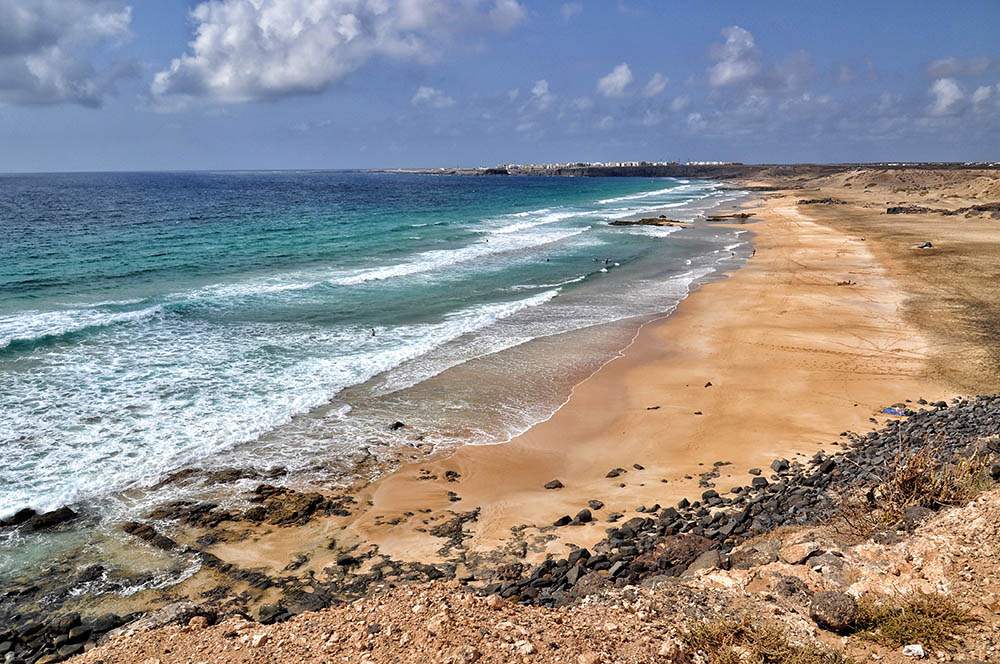
Controversy Over Camping Development in a Protected Natural Area
The recent news surrounding a proposed camping site has stirred up considerable concern within the community and environmental groups. Initially pitched as a project for a simple olive plantation in 2017, this initiative has transformed into plans for a camping facility with 200 spots. The perceived deception at the project’s onset has left many feeling misled and has sparked a series of protests and objections.
Misleading Beginnings
According to members of a local association, the groundwork for this camping site was laid with untruths. When the construction began, residents were told that the land would be used for cultivating olive trees. This assertion was not just a simple miscommunication; it has been the crux of several allegations against the camp’s installation process. Since the announcement of the project, the association has voiced its concerns, presenting various objections during the progression of the permitting process.
Environmental Significance of the Area
The proposed camping site is not situated in just any location; it occupies three private parcels in a region renowned for its ecological value. Nestled within a Biosphere Reserve, this tract of land is classified as a Special Protection Area for Birds (ZEPA). These designations underline the importance of preserving the unique flora and fauna that thrive in this environment. Concessions made for a camping development could pose significant risks to local ecosystems, as increased human activity often leads to habitat degradation and pollution.
Safety Concerns for Visitors
Another layer of complexity to this controversy is the safety of potential visitors to the beach along the northern coastline. The area is known for treacherous currents, making it a dangerous spot for swimming and other water activities. There have been multiple incidents leading to fatalities over the years, raising alarms about the suitability of this site for a camping facility. With safety risks already prevalent, the additional strain of accommodating large groups of campers could exacerbate the dangers present.
Community Response and Advocacy
Local residents, backed by environmental advocates, have taken a stand against the proposed camping site. Their worries pivot on the environmental impact and the safety of both wildlife and future visitors. The community has organized meetings, protests, and campaigns to amplify their voices, demanding transparency and thorough assessment of the camping project’s potential repercussions.
The Importance of Transparency
At the heart of this dispute lies a call for transparency in local development initiatives. Many residents feel that important information was withheld from them at the project’s inception. They argue that community input should play a vital role in decisions about land use, especially in areas of significant ecological and cultural importance. As the debate continues, it serves as a reminder of the importance of responsible governance and public engagement in environmental stewardship.
In summary, the controversy surrounding this camping project highlights a broader issue of environmental conservation versus recreational development. Community members are advocating not only for their own well-being but also for the protection of the natural landscape they cherish. The outcome of this debate will likely have lasting implications on both local ecosystems and community dynamics.
![[gpt_title] Write a natural, soulful, and wellness-driven headline (max 12 words) about Ayurveda, healing, or natural medicine. It should feel modern yet timeless — e.g., “The Science of Stillness,” “Nature’s Pharmacy,” or “Healing in the Everyday.” Avoid clickbait or sales tone. [/gpt_title]](https://cdn.mos.cms.futurecdn.net/zxeLMiEpLQgeZPhPhhQTDD-1280-80.jpg "[gpt_title] Write a natural, soulful, and wellness-driven headline (max 12 words) about Ayurveda, healing, or natural medicine. It should feel modern yet timeless — e.g., “The Science of Stillness,” “Nature’s Pharmacy,” or “Healing in the Everyday.” Avoid clickbait or sales tone. [/gpt_title]")

