Support for Migrants in Fuerteventura: A Beacon of Hope
In recent years, Fuerteventura has emerged as a focal point in the ongoing migration crisis in Spain. Facing challenges with compassion, authorities and organizations are stepping up to provide necessary support for migrants, especially vulnerable youth. One significant initiative in this context is the collaboration between the Government of the Canary Islands and the Ecca Social Foundation.
Recognition of Efforts by Local Officials
On a recent visit to Fuerteventura, Francisco Candil, the Vice-Counselor of Social Welfare and Immigration, acknowledged the vital work being carried out by the Ecca Social Foundation. He explained that, with the government’s backing, the foundation has been instrumental in offering housing alternatives for young migrants transitioning into adulthood. “This provides not only a place to stay but also a supportive environment, reducing the risk of residential exclusion and homelessness,” Candil stated.
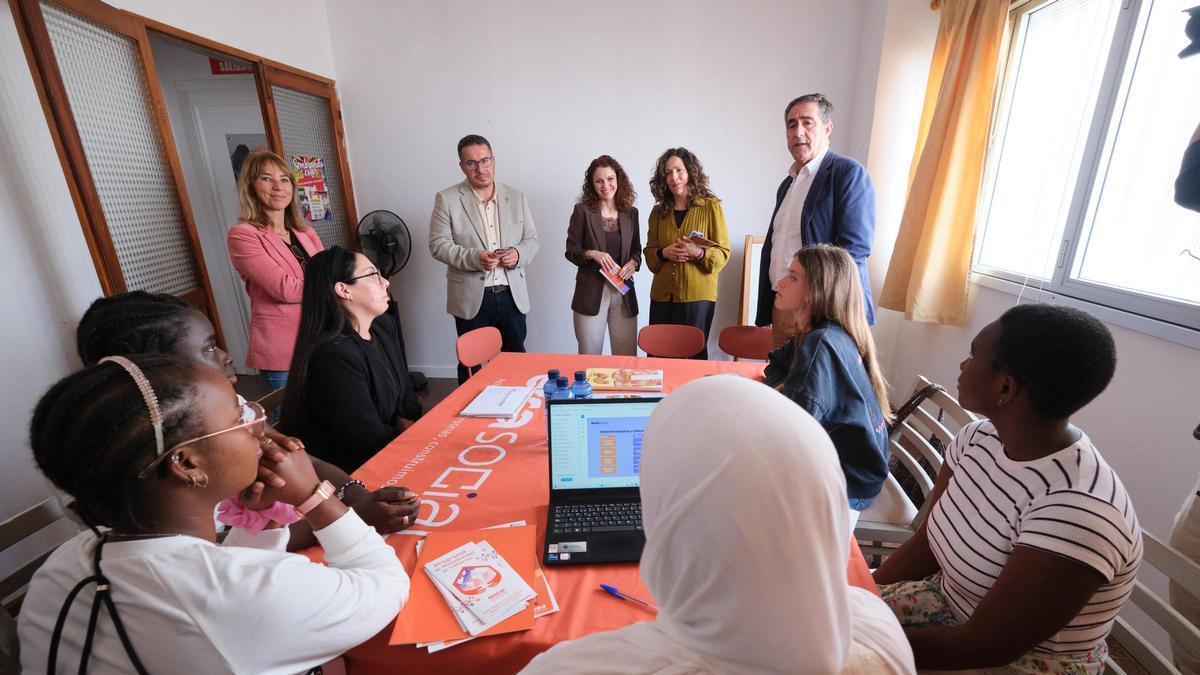
This sentiment was echoed as he, alongside the Mayor of Puerto del Rosario, David de Vera, and other key officials, toured the “Hogar Papa Francisco”—a housing facility aimed at young female migrants. This initiative falls under the broader program, Hospitalidad en Canarias, which emphasizes the need for structured support during critical transitional phases of young lives.
A Closer Look at Hospitalidad en Canarias
The Hospitalidad en Canarias program has a profound impact, having provided accommodation to 23 young migrants in the last year alone. Funded with €60,000 by the General Directorate of Social Services, this regional initiative aims to tackle the complexities of social inclusion, especially concerning migrants. The no-cost access to housing and associated services ensures that economic barriers do not hinder the integration of these young individuals into society.
Rising Challenges Amidst a Migration Crisis
The urgency for such programs became starkly apparent during the migration crisis that has affected the Canary Islands in recent years. At one time, there were over 6,000 children under government care, a weight that Candil noted has largely been shouldered by the community of the Canary Islands alone. As these minors turn 18, a pressing responsibility emerges—to help them lay foundations for their futures.
“Now, we need to offer them space to continue developing their life projects,” he remarked, emphasizing the importance of education and employment to ensure they are ready for independence.
Committed Public Funding
The commitment of the Canary Islands’ government is showcased through substantial funding dedicated to supporting socially excluded individuals. According to Elisabet Santana, the General Director of Social Services and Immigration, €3.7 million is allocated for enhancing social care on the island. This resource specifically targets young people who have previously been under government care, reflecting a commitment to improving the living conditions of the most vulnerable populations.
Institutional Collaboration as a Foundation for Inclusion
David de Vera, the Mayor of Puerto del Rosario, highlighted the importance of institutional collaboration in tackling these pressing issues. He noted, “It’s crucial to find that collaborative approach for seeking the necessary resources and ensuring everyday inclusion is a constant effort in our society.” His insights underscore the idea that successful integration requires a communal effort—one that involves various stakeholders working towards a shared goal.
Holistic Support through Specialized Programs
Ana Giménez, the Executive Director of Ecca Social, elaborated on the foundation’s holistic approach. Their initiatives extend beyond mere housing; they encompass educational support, language training, and activities aimed at easing the integration process. The “Hogar Papa Francisco” currently serves six young women, providing a nurturing environment to help them gain crucial skills for their futures.
Through projects like Contigo, which focuses on the education and welfare of minors, Ecca Social is actively working towards creating pathways for social reintegration. There, young migrants receive tailored support that includes training in the Spanish language and essential job skills.
Building a Strong Community Support Network
The Hospitalidad en Canarias program emphasizes not only the immediate needs of migrant individuals but also aims to ensure their long-term integration. The initiative is structured around three key operational areas: skilled support staff specializing in various fields, the migrants and refugees themselves, and a dedicated community welcoming team. This tripartite model promotes collaboration and enhances the effectiveness of the support provided.
With a blend of psychological, legal, and socio-economic support, this framework aims for total inclusion in society, not just residentially but also legally, economically, and socially. It’s about empowerment and building resilient futures for vulnerable migrants.
Conclusion
The efforts in Fuerteventura symbolize a growing recognition of the need for comprehensive support systems for migrants. As local officials, social services, and community organizations unite, they are paving the way toward a more inclusive and compassionate society that acknowledges and addresses the complexities of migration and integration amidst ongoing challenges.