Revitalizing the Saladar de Jandía: A Path to Sustainable Tourism
Project Overview
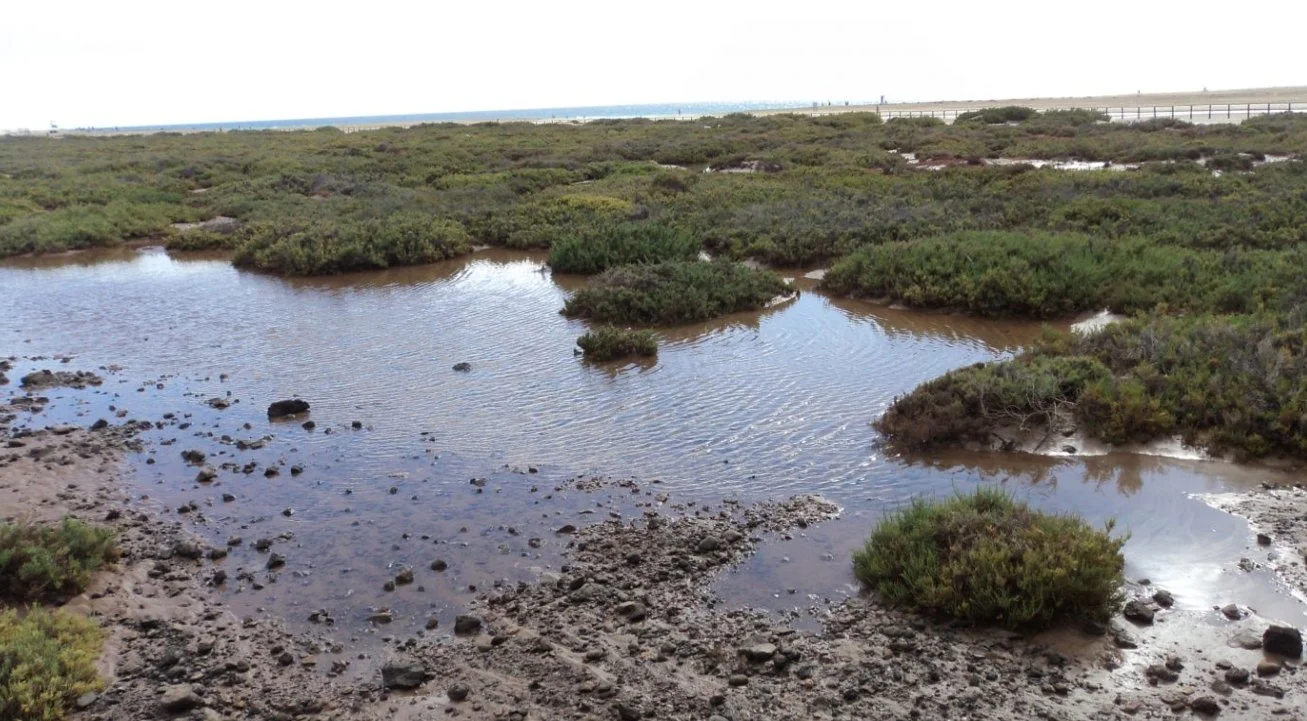
The project “Naturalización del Saladar de Jandía” is a significant initiative aimed at restoring one of the largest wetlands in the Canary Islands. Launched with an investment of €249,815 from the Canary Islands Government’s Ministry of Tourism and Employment, this project falls under the strategic framework of the Next Generation EU funds. The goal is to revitalize over 9,000 square meters of land that has suffered from human impact, thereby enhancing the ecological value of this vital ecosystem.
Key Figures in the Project
On a recent Friday morning, two prominent figures visited the site: Jéssica de León, the Councillor of Tourism and Employment for the Canary Government, and Lola García, the President of the Cabildo of Fuerteventura. Their presence underscores the commitment of local officials to balance tourism with environmental protection.
During her visit, Councillor de León emphasized a renewed vision for tourism that goes beyond the traditional sun-and-beach model. “We advocate for a model whereby natural surroundings and identity take center stage,” she stated, highlighting the project’s importance to the region’s unique heritage.
Environmental Restoration Initiatives
Integral to the restoration are several tasks, including the dismantling of outdated infrastructure, such as an obsolete wastewater treatment plant, and the restoration of the area’s original geomorphology. The restoration seeks not only to improve the aesthetic aspects of the Saladar but also to reclaim its ecological integrity, enhancing its status as a Site of Scientific Interest.
Significance of the Saladar de Jandía
“Improving a space of such high environmental importance as the Saladar de Jandía is our clear objective,” expressed President García. The project reflects a vision of sustainable island development, where tourism and nature conservation coexist harmoniously.
Furthermore, Alejandro Jorge, the Mayor of Pájara, emphasized the collaborative efforts of local institutions. The synergy between the Cabildo, the municipality, and the Canary Government highlights how joint efforts can lead to the recovery of natural spaces, benefiting both residents and visitors.
Project Phases and Goals
The revitalization project consists of four main phases:
-
Dismantling the Old Wastewater Treatment Plant: The first stage involves removing the dilapidated infrastructure that conflicts with conservation laws.
-
Removal of Current Fill: This phase will lower the fill level from 3.40 meters to the original 2.50 meters, restoring the natural topography of the saladar while protecting existing vegetation roots.
-
Area Rehabilitation: The third step focuses on the rehabilitation of the project area using sifted earth from demolition, helping shape the land and establish protective slopes.
-
Landscape Integration: The final phase emphasizes re-vegetation, where 104 indigenous plant species will be strategically planted at the base of the newly created slopes. This includes species such as Chenoleoides tomentosa (algoera), Salsola vermiculata (matabrusca), and Tetraena fontanesii (uva de mar), along with three specimens of Tamarix canariensis (tarajal).
A Vision for the Future
The focus on planting more than a hundred native species reinforces the commitment to recover the region’s biodiversity. This will not only beautify the surroundings but also nurture the ecological balance crucial for sustaining life in this unique wetland.
Through efforts like the “Naturalización del Saladar de Jandía,” local authorities are paving the way for a future where tourism thrives in conjunction with environmental stewardship, illustrating a pathway toward more sustainable practices across the Canary Islands.