The Critical Status of La Lapa Majorera: A Threatened Marine Species in Fuerteventura
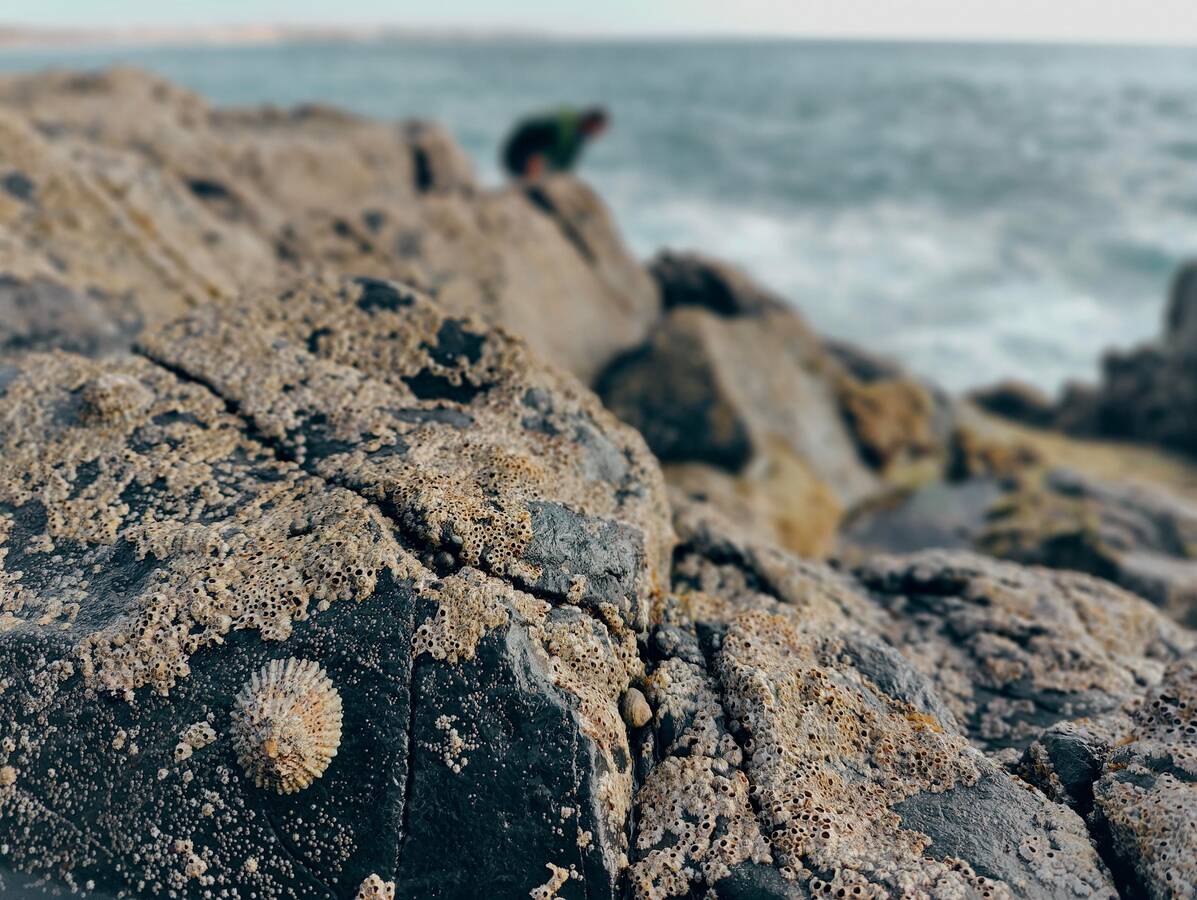
La lapa majorera (Patella candei), colloquially known as “lapa seca” or “asoliada” in Fuerteventura, faces a severe crisis as it teeters on the brink of extinction. This endemic species is not only iconic in Fuerteventura but is also integral to the marine biodiversity of the Canary Islands. Unfortunately, recent studies indicate that the lapa majorera’s numbers have drastically dwindled, threatening its survival.
A Dire Situation
A recent study led by researchers from the University of La Laguna revealed alarming results regarding the lapa majorera. The research concluded that this species has vanished from Lobos Island and the northern and eastern coasts of Fuerteventura. Initially categorized as endangered in 2015, the species has deteriorated over the past decade, now only persisting in a small population in the southern region of Jandía.
While this last remnant has shown a slight increase in individual numbers, researchers maintain that the population is still too small to guarantee successful reproduction. This precarious status raises critical questions about the species’ future.
Factors Contributing to Decline
The factors behind this alarming decline are multifaceted. Research points to historical pressure from fishing and collection, as well as the vulnerability associated with the species’ small and isolated populations. This combination has created a precarious situation for the lapa majorera.
Recent environmental studies have also identified climatic changes that could pose additional stress on the species. Increasing temperatures, both in air and sea waters, have been observed over the past few decades, potentially exacerbating the pressure on the lapa majorera.
Historical Context: Traditional Harvesting
Historically, local fishermen have distinguished the lapa majorera from other more desirable limpets. This knowledge reflects a long-standing tradition in Fuerteventura that has inadvertently contributed to the lapa’s decline. Despite being perceived as less palatable, the lapa majorera’s habitat makes it more accessible for harvesting. This ease of access has increased its vulnerability, especially when fishers are not well-informed about the species.
Conservation Efforts: A Recovery Plan
In 2015, the Canary Islands government implemented a recovery plan aimed at preserving the lapa majorera. This plan included establishing priority conservation zones and a complete ban on harvesting the species. However, despite these efforts, recent studies indicate that the situation has not improved, raising questions about the efficacy of these conservation measures.
The historical lens reveals a continuous decline, suggesting that mere legal protections have not been sufficient to reverse the trend. The scientific community has called for a more active approach to conservation, including the potential relocation of populations to better-protected areas.
Environmental Stress: A Multifactorial Challenge
The combination of harvesting pressures, population fragmentation, and environmental changes represent a multifactorial challenge for the lapa majorera. While traditional human impacts have played a significant role, climate change may add another layer of complexity. The interplay between these factors remains an area for further research, particularly concerning the species’ reproductive biology and resilience to future ocean conditions.
Genetic Insights: Unique to the Canary Islands
It’s noteworthy that the lapa majorera exists not only in Fuerteventura but also in the Salvaje Islands of Portugal. However, genetic studies have revealed distinct differences between these populations. As the Fuerteventura population represents a unique biological unit, its disappearance would lead to a loss of genetic diversity for the species as a whole.
The importance of safeguarding this genetic divergence calls for caution in any potential translocation or management strategies aimed at repopulating or restoring lapa majorera populations across different islands.
Future Directions: Cultivation and Reintroduction
Recent research has proposed exploring laboratory cultivation of lapa majorera, with a view toward eventual reintroduction into their natural habitat. Prioritizing areas with oceanographic conditions similar to those in southern Jandía may increase the chances of successful re-establishment. Although assisted reproduction methods still require further scientific understanding, these initiatives represent an essential step in the effort to safeguard this unique species.
Through revived conservation tactics and ongoing research, there is hope for the lapa majorera yet. However, continuous support from both the community and scientific endeavors will be pivotal in navigating the challenges ahead.