Transforming Fuerteventura: A Sustainable Tourism Initiative
In a significant move towards sustainable tourism, Rosario Sánchez, the Secretary of State for Tourism, recently visited the picturesque island of Fuerteventura. Her visit, aimed at evaluating the progress of various transformative projects, underscored the commitment to enhancing the island’s tourism model while prioritizing sustainability.
Investment in Sustainable Transformation
During her visit, Sánchez announced that Fuerteventura is currently executing several initiatives, proudly funded by the Next Generation EU funds under the Recovery, Transformation, and Resilience Plan. This investment amounts to an impressive €18.7 million, focused on advancing the island’s tourist infrastructure and services. The initiatives are not just geared towards improving visitor amenities; they also aim at fortifying the long-term viability of destinations and strengthening the local tourism business ecosystem.
By fostering a more sustainable tourism model, these efforts are designed to create quality employment opportunities, promote economic prosperity, and ensure a balanced relationship with the local population, known as the majorera community.
Meetings with Local Officials
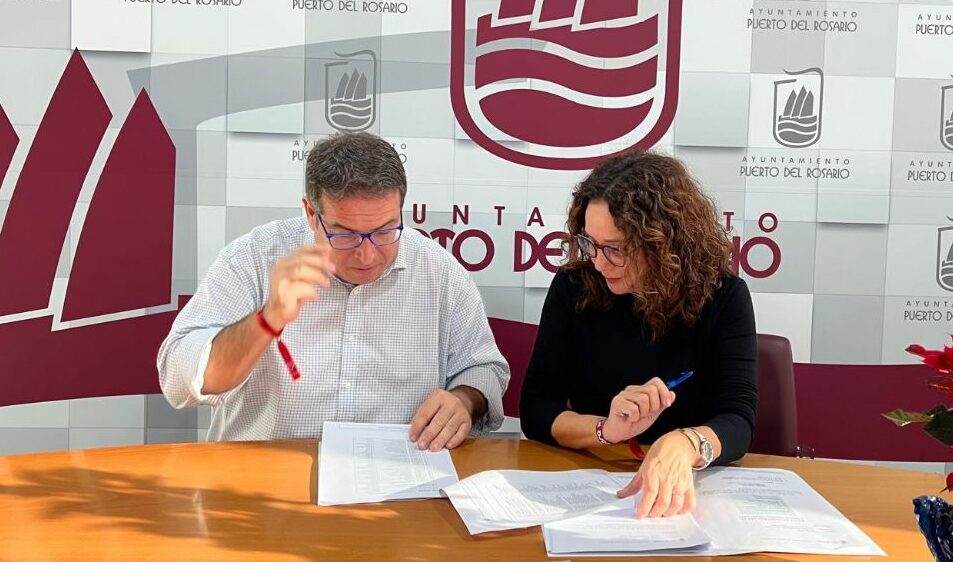
Sánchez’s visit included a warm welcome from notable local leaders, including Lola García, the esteemed President of the Insular Cabildo, and Marlene Figueroa, the Councillor of Tourism. Their discussions revolved around the collective strides being made in modernizing Fuerteventura’s tourism sectors, highlighting the collaborative spirit between national and local authorities to propel these projects forward.
Key Projects Highlighted
Two prominent projects captured Sánchez’s attention during her tour:
-
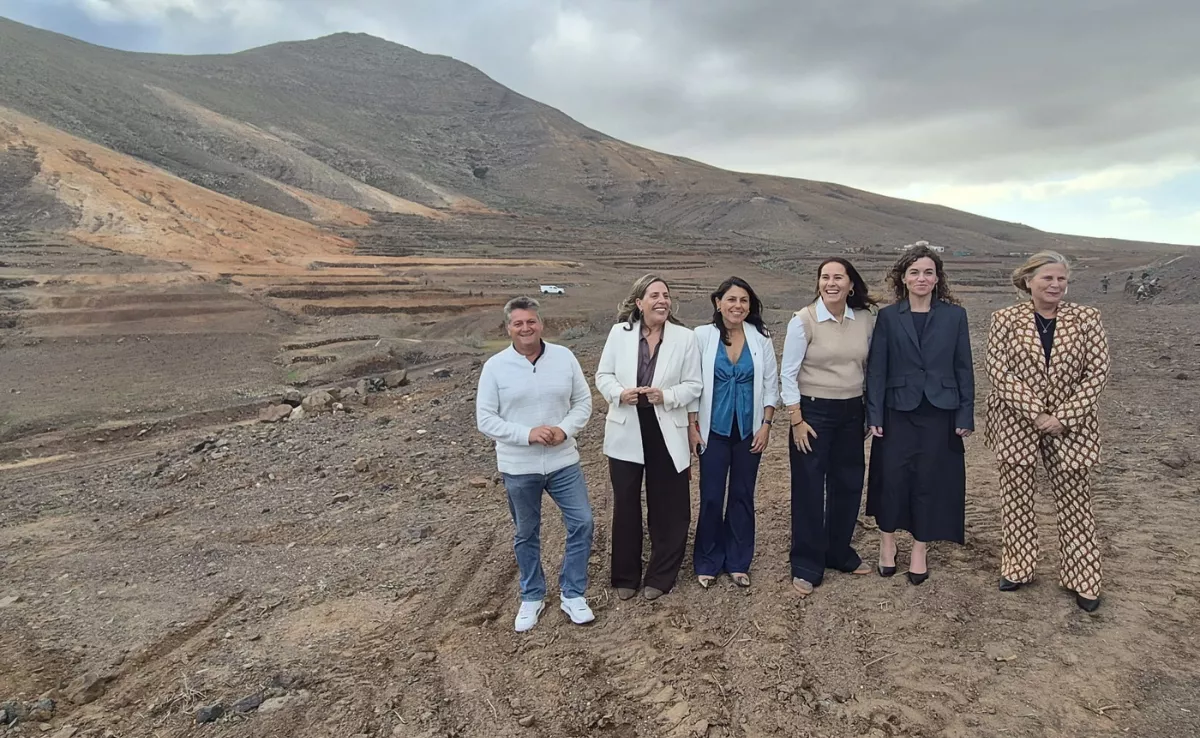
Rehabilitation of Vallebrón: This significant undertaking focuses on the protected landscape of Vallebrón, located in the municipality of Puerto del Rosario. Over €667,000 has been allocated to this initiative, aimed at restoring this traditional agricultural region and enhancing its environmental appeal.
-
Revitalization of Casa del Coronel Market: Located in La Oliva, this project has already been completed with an investment of €257,582. The renovated market promises to be a vibrant addition to the local economy, enriching the cultural and commercial landscape of the area.
These projects are integral components of the Tourism Sustainability Plan in Destinations (PSTD), which operates under the “Fuerte por Naturaleza” initiative by the Cabildo. In total, this plan features an investment of €9.1 million. Additionally, projects in the municipalities of La Oliva and Pájara will see further funding of €6 million and €2 million, respectively.
Broader Impacts and Additional Aid
The sustainable initiatives don’t stop at these projects. Fuerteventura has also received significant aid aimed at local municipalities and small to medium-sized enterprises. This support is specifically directed towards digitization, diversifying the local tourism offerings, and enhancing energy efficiency across the island.
Collectively, the Canary Islands have seen an impressive total investment exceeding €297 million associated with this broader strategic approach to tourism sustainability.
Collaborative Efforts
During her visit, Sánchez emphasized the vital role of cooperation among different levels of government. She commended the strong partnership between the Spanish government, the Ministry of Industry, and local authorities, aimed at maximizing the benefits from the Next Generation EU funds.
The notion of “multi-level governance” was a recurring theme in her discussions, as she highlighted the pride that both the administrations and local communities can take in the collaborative efforts being made. This unity is crucial for ensuring that the funds are utilized effectively, leading to substantial improvements in Fuerteventura’s tourism model.
Through these projects and strategies, Fuerteventura stands on the cusp of a remarkable transformation, aiming to redefine its tourism landscape. The community is committed to ensuring that its natural beauty and cultural heritage are preserved, even as it embraces a modern, sustainable future.