The Supreme Court’s Firm Stand on Betancuria Park Management Plan
The Spanish Supreme Court recently upheld a significant decision regarding the management and conservation of the Betancuria Rural Park, rejecting attempts by various real estate developers to overturn the existing Plan for Use and Management (PRUG). This ruling underscores the complexity of land management in environmentally sensitive areas, particularly in the face of ambitious real estate development projects.
The Development Plans at Stake
At the center of this legal battle were two large-scale development plans known as El Cangrejo and Playa de Santa Inés. Initially approved in the 1970s, these plans aimed to convert over 10.5 million square meters of coastal land into urbanized spaces. With aspirations for more than 136,000 tourist accommodations, the scale of these projects posed serious questions about the future of land use in the picturesque Betancuria region.
Legal Arguments Presented
In their defense, the developers argued that the initial land classification as urban remained valid. They claimed that the projects were viable and had adequate infrastructure to support urban development. The promoter groups, including Golfstrom and Aguas Verdes, led by administrator Oliver Zwerenz Carsten, sought to annul the PRUG, which has governed the park since its approval in March 2009.
Supreme Court’s Rationale
The Supreme Court’s decision reflects a broader legal framework established in previous rulings, notably a 2015 judgment by the Superior Court of Justice of the Canary Islands. The Supreme Court firmly stated that the land must be classified as “rustic,” designated for protective purposes under environmental laws. Central to this argument was the 2001 Law of Urgent Measures, which mandated that unexecuted isolated urbanizations be transformed into rustic land.
Time Expired for Development
Significantly, the Supreme Court noted that the developers had a generous 15-year window to carry out their plans, which expired in 1990. This period represented a crucial opportunity for the developers to move forward with their projects. The Court emphasized that their failure to do so constituted a definitive “clear breach” of their responsibilities to utilize the land appropriately.
The Status of Existing Developments
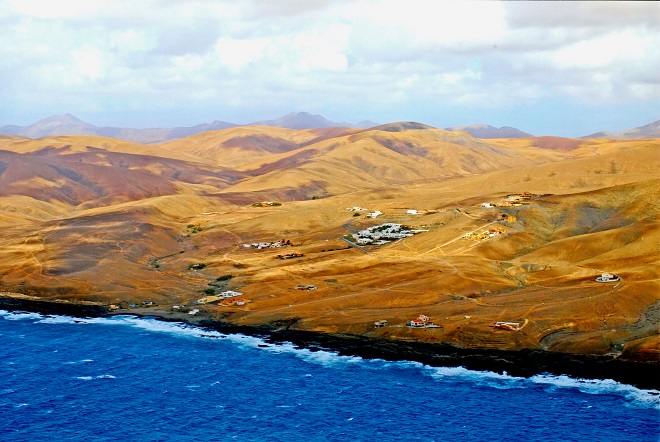
While acknowledging some construction accomplishments, the Court pointed out that only a few dispersed projects had materialized, failing to create a cohesive urban space as envisioned in the initial proposals. They highlighted that the developments resulting from these plans did not meet the criteria of an organized urban environment, reinforcing the argument for the current protective designation of the area.
Implications for Land Use and Environmental Conservation
This ruling not only solidifies the status of the Betancuria Rural Park as an area of ecological importance but also sets a precedent for future land-use management conflicts. With increasing pressure from real estate developers across various regions, the Supreme Court’s decision firmly underscores the need for sustainable planning and the recognition of environmental protections in urban development.
In summation, the Supreme Court’s refusal to entertain the developers’ appeal serves as a vital reinforcement of the PRUG’s objectives. It marks a pivotal moment in the ongoing conversation surrounding land management, development, and conservation in Spain, particularly in ecologically sensitive areas like the Betancuria Rural Park.