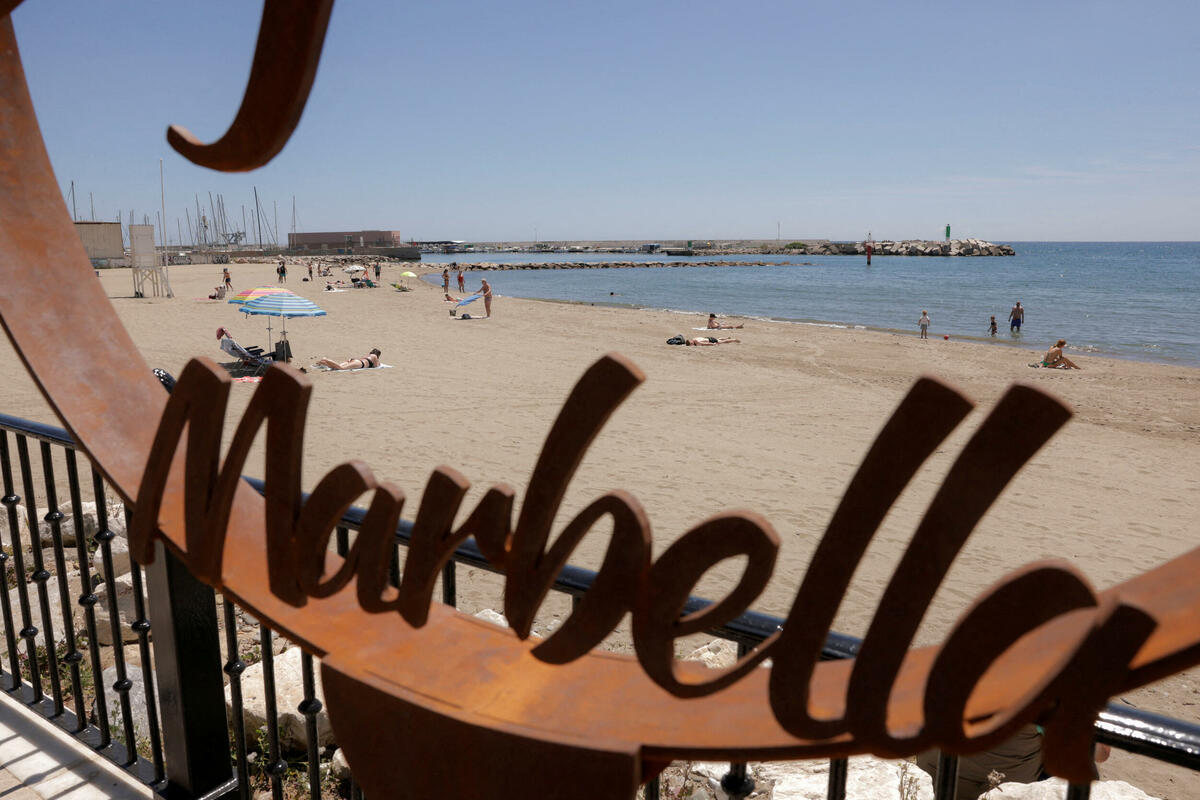
In recent years, Madrid and the Costa del Sol have become increasingly attractive to wealthy property buyers from Poland, the United States, and Gulf countries. This trend is largely driven by geopolitical instability, including the wars in Ukraine and the Middle East, as well as political turmoil in the U.S. Investors are seeking a luxurious refuge, and Spain’s sunny climate and vibrant culture offer an appealing alternative.
Historically, Spain has been a favorite destination for sun-seeking Britons and Germans. However, the landscape of foreign investment has evolved. Real estate agents and analysts report a growing interest from a broader range of investors looking to diversify their assets and safeguard their wealth amid global uncertainties. Rebecca Caballero, head of the international department at real estate agency Gilmar, notes that the common thread among these buyers is the current geopolitical climate.
Official government data underscores this shift. In major tourist provinces like Malaga, Alicante, and the Balearic Islands, foreign buyers accounted for over 39 percent of all property sales last year. This influx has contributed to a significant rise in property prices, a pressing issue in a country grappling with a housing shortage estimated at 750,000 homes.
Polish buyers, in particular, have shown a marked increase in interest in Spanish real estate since 2020. Their purchases have tripled since the onset of the COVID-19 pandemic, rising from 1.6 percent of all foreign purchases in 2019 to 4 percent last year. Agnieszka Marcinjak-Koszzewa, founder of a Marbella-based real estate agency, describes the surge in Polish investments as a “real fever of purchases made over the phone” following the outbreak of the war in Ukraine.
Among these buyers is Marlena Bartkovjak, a 46-year-old transport company owner from Poland. She purchased an apartment in Benalmadena on the Costa del Sol as a contingency plan when the war escalated. “Spain came to mind because it seemed like the country that was somehow the least involved in various political maneuvers on the European stage,” she explains, highlighting the appeal of Spain’s relative stability.
Major real estate firms are also noticing this trend. Neinor, one of Spain’s largest property investors, reports that 70 percent of its premium Santa Clara complex in Marbella was sold to Polish clients. Additionally, Polish buyers are leading the charge in a 64-story skyscraper project in Benidorm, another sought-after coastal destination.
Spain as an Alternative to Dubai
Spain is increasingly viewed as a secure investment option, particularly for those seeking alternatives to Dubai. Paloma Perez Bravo, CEO of Dils-Lukas Fox, emphasizes that Spain offers a way to diversify investments for security reasons. The ongoing conflict in the Middle East has prompted Gulf-based investors to explore opportunities in Spain, as the image of Dubai as a peaceful haven has been tarnished.
Real estate agents report ongoing discussions with potential buyers from Dubai, with at least two luxury property sales already completed. Marcinjak-Koszczew recently facilitated a sale to a Polish client residing in Dubai who was searching for a safer base for his family. While Dubai has attracted foreign investors with its zero property taxes, Spain’s regional wealth tax exemptions make it an appealing option for affluent buyers.
Mario Lapjedra Vivanko, deputy chief executive of Neinor, believes that the current geopolitical climate positions Spain as a more peaceful alternative to Dubai. He notes that the conflict has led to an uptick in interest from buyers seeking stability.
Political and social pressures are also influencing American investments in Spain. Since the return of Donald Trump to power, there has been a notable increase in property purchases by Americans, particularly those of Hispanic origin. Caballero highlights that many Americans are investing as a hedge against uncertainty in the U.S., with Gilmar reporting a jump in American investment from 0.5 percent to 6.2 percent of its real estate transactions between 2024 and 2025.
“It’s not just about violent conflicts, but also about political and social pressure,” Caballero states, emphasizing the multifaceted reasons behind the surge in foreign investments.
Across Spain, Americans accounted for two percent of property purchases made by foreigners, paying the third-highest average price after Swedes and Germans. The expanding pool of foreign buyers has driven up property values, making Spain an increasingly attractive investment destination.
Luxury real estate agents report that properties priced between one million and 20 million euros are becoming particularly sought after, as rising prices further enhance the appeal of investing in Spain. The warm climate and stable economy are additional factors drawing buyers to the region.
Jack Harris, a partner in Knight Frank’s international residential real estate team, notes that luxury property prices in Spain have surged by up to 9.5 percent year-on-year, outpacing growth in other European markets such as France and Italy. “Spain has been a kind of exception in terms of results in Europe in the last 12 months,” he remarks, highlighting the unique position of the Spanish real estate market.

