As Fuerteventura continues to attract investors, significant strides are being made in environmental restoration efforts on the island.
The Government of the Canary Islands, through its Department of Ecological Transition and Energy under the guidance of Mariano Hernández Zapata, is advancing a critical initiative aimed at restoring Fuerteventura’s terrestrial ecosystems. Currently, this project is over 58% completed and is part of a broader strategy for environmental recovery on the island.
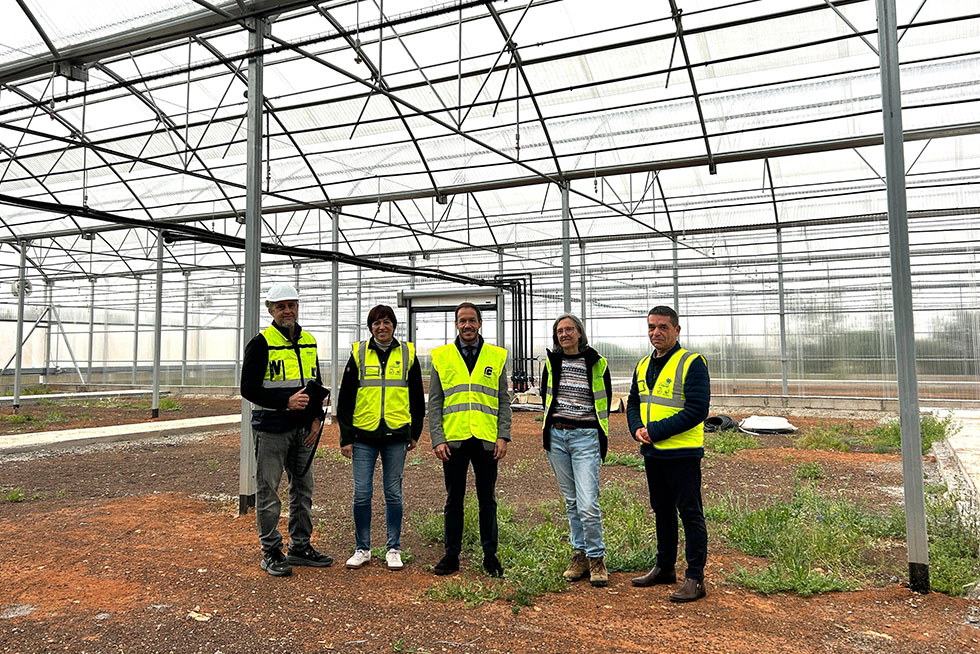
A recent visit by Hernández Zapata to the La Oliva Biological Station highlighted key elements of the initiative, which includes an investment exceeding 1.1 million euros from the Next Generation EU funds, with an expected completion date set for May 2026. The minister emphasized the administration’s commitment to actively conserve the island’s ecosystems through focused measures designed to enhance the environment and ensure its sustainability for future generations.
Central to this project is the construction of a new nursery at the La Oliva Biological Station, aimed at producing and conserving Fuerteventura’s native plant species. This facility is expected to bolster the island’s ecological recovery efforts by facilitating the propagation of species that are well-adapted to local conditions.
In partnership with the Cabildo of Fuerteventura, this initiative also includes modernizing existing nursery infrastructure, which will feature dedicated spaces for storage and specialized technical work, thereby promoting a more efficient system to address the island’s environmental challenges.
The project extends to the restoration of natural areas, such as Castillo de Lara within the Betancuria Rural Park. Here, nearly 5,000 native plants are being planted across more than 10 hectares to restore and enhance the local landscape and ecology.
To ensure the effectiveness of these restoration efforts, the initiative incorporates adaptive irrigation systems and innovative water management solutions that promote the reuse of water resources and minimize environmental impact. Additionally, a photovoltaic installation at the Biological Station will meet the energy needs of the complex while substantially reducing carbon dioxide emissions.
By integrating ecological restoration with technological advancements and sustainable practices, this initiative represents a significant step towards improving Fuerteventura’s terrestrial ecosystems and fostering a more responsible management approach for the island’s natural resources.
Image credit: www.diariodefuerteventura.com
Source: www.diariodefuerteventura.com.
Curated by Fuerteventura Times Real Estate Desk.