Controversy Surrounding Water Taxis at Lobos Island
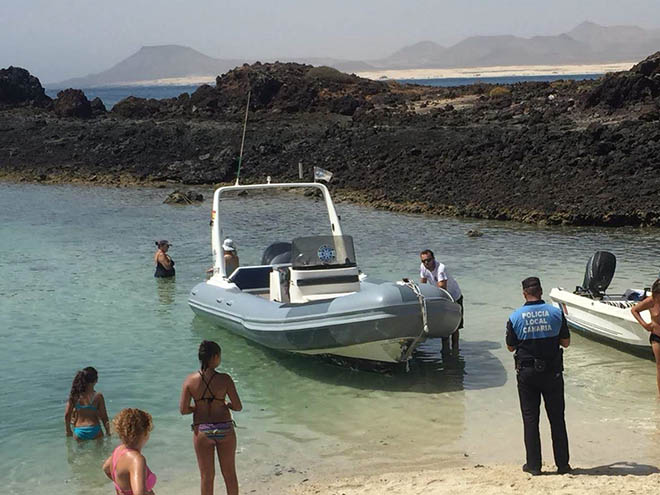
As the water taxi services continue their daily operations between Corralejo and the picturesque Puertito beach on Lobos Island, tensions have escalated among various stakeholders. The rise in controversy stems from a complex interplay of safety concerns, legalities, and business interests, reflecting broader issues regarding environmental management in protected areas.
Formation of a Water Taxi Association
In response to growing criticisms, local water taxi companies have formed an association dedicated to advocating for their business interests. Their spokesperson, Alien Alonso Gil, publicly defended their operations, stating that they possess all the necessary permits and conduct their operations in strict compliance with safety regulations. According to Alonso, the real risk to safety comes from beachgoers swimming too close to the water taxis during drop-offs and pick-ups.
Call for Increased Safety Measures
Alonso has called upon the La Oliva City Council to establish a designated channel or safety zone to safeguard bathers. He cites the proactive measures taken at Waikiki Beach in Corralejo, where buoy-marked zones protect both swimmers and small recreational vessels. However, the response from the local government has been less than satisfactory.
The Mayor’s Stance
Mayor Isaí Blanco of La Oliva has countered the water taxi association’s claims, asserting that the council lacks the jurisdiction to implement safety measures at Lobos, as it is a natural park under the management of the Cabildo of Fuerteventura. The mayor explained that any safety regulations fall under the purview of the Directorate General for Coasts, which manages maritime and terrestrial public domain issues.
Blanco characterized the accusations of unfair targeting against the water taxi service as baseless, asserting that the council has submitted proposals to Costa—ratifying the need for authorized channels for the taxis—only to be met with bureaucratic roadblocks.
Law Enforcement Involvement
In response to compliance issues, the municipal police have been dispatched multiple times to Lobos to issue warnings and record the activities of water taxis that continue operating without the necessary permits. Over 18 reports have been submitted to the Directorate General for Coasts regarding these activities.
Safety Concerns for Beachgoers
Blanco emphasized that, as per Costa’s advisement, the lack of the required permits puts beach safety at risk. He suggested that a suspension of water taxi services at Lobos was warranted to safeguard swimmers. “The situation has deteriorated significantly in recent years, and we all wish for Lobos to return to its tranquil, natural state,” he remarked.
Alternative Ideas and Recommendations
Local users of the Corralejo port have suggested relocating water taxi operations to Lobos Island’s dock, which may alleviate safety concerns for bathers. However, this too would not rectify the issue of required permits, further complicating the situation for business owners.
Alonso contested this proposal, claiming it could be more hazardous to passengers due to the height disparity between the dock and the zodiacs, which poses risks at boarding and alighting.
Economic Implications
The financial stakes are high for the water taxi service. Alonso warned that cessation of beach drop-offs would jeopardize not only their business model but also over thirty jobs linked to this service. “We will not cease our operations until we receive official notification prohibiting us,” he stated, asserting that there is a misunderstanding of Costa’s directives by the council.
Alonso questioned the lack of scrutiny over other environmental concerns, such as the quality of water at Lobos beach, implying that factors like E. coli contamination have been overlooked while targeting their operations.
Connections and Conflicts
Alonso is also linked to Nautic Corralejo Charter alongside Evelín Gómez Morera, the Councilor for Commerce in La Oliva, and her partner, a Civil Guard stationed in Corralejo. Following revelations about these connections, Gómez publicly announced her disassociation from the water taxi service.
The potential conflicts of interest have raised eyebrows, with community members expressing concern over the intertwined relationships between local governance and commercial interests.
Law Enforcement’s Official Position
Inquiries directed at the Civil Guard’s command in Las Palmas clarified their role’s alignment. They denied any wrongdoing, stating that the police presence on Lobos was for support and cooperation with municipal efforts regarding compliance.
Environmental Advocacy
Meanwhile, environmental activists, notably the Ben Magec–Ecologistas en Acción Federation, have advocated for the prohibition of commercial operations involving zodiacs in sensitive areas of Lobos Island. They endorse the La Oliva Town Hall’s conservation efforts and propose the designation of local cabins as ethnographic interest zones, advocating for a sustainable management plan for the island’s population.
The unfolding situation at Lobos Island exemplifies the ongoing struggle between economic interests and environmental stewardship, calling for urgent dialogue among all involved parties to pave the way for a resolution that protects both livelihoods and natural ecosystems.