Understanding the Historical Heritage of Betancuria: Insights from Sebastián López García
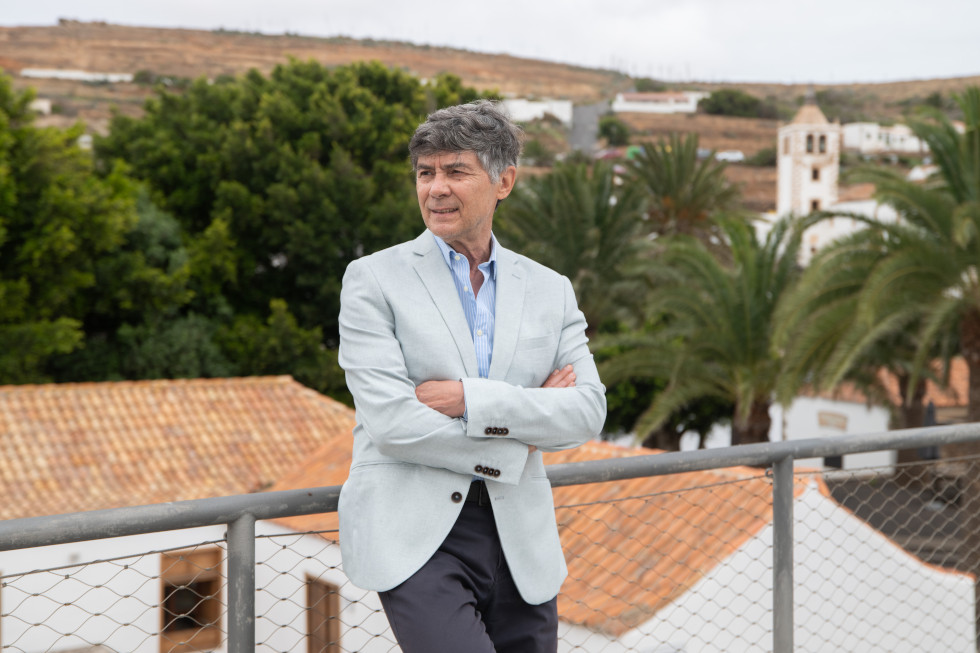
Sebastián López García is not just a name; he embodies the intersection of history, architecture, and cultural preservation in the Canary Islands. As a Doctor of Art History and a professor at the University of Las Palmas de Gran Canaria, he currently serves as the Director of Historical Heritage for the Cabildo de Gran Canaria. Recently, López participated in the inaugural Meeting of Historical Sets in Betancuria, where pressing challenges facing these historic sites were discussed. The result of this meeting was the Betancuria Declaration, a pivotal document laying the groundwork for a unified strategy to revitalize historical ensembles on an autonomous level.
The Challenges for Historical Sites in the Canary Islands
López underscores that the challenges confronting historical sets are diverse and complex, reflecting broader issues faced by contemporary cities. The primary challenge is balancing modern needs with the conservation of historical and cultural values that shape local identities. According to him, historical spaces are often cultural hubs, encapsulating not only inherited legacies but also contemporary creativity. The artistic contributions over centuries should not halt; instead, they must continue to evolve, ensuring that future generations inherit a vibrant cultural landscape.
The Identity Debate
The concept of identity is prevalent in discussions about the Canary Islands, but López argues that historical sites are often overlooked in this dialogue. There is a common misconception that the foundation of cities in the Archipelago began with the Spanish conquest. He explains that the roots of Canary Island identity extend back to pre-Hispanic times when the first inhabitants settled. Various historical sets across the islands harbor elements from diverse eras, contributing to an intricate tapestry of canariedad. Understanding this rich historical context is crucial for fostering a deeper appreciation of local identity.
Threats Facing Historical Sets
The threats to historical ensembles are manifold and vary depending on the specific island and historical set. López points out that issues such as abandonment of buildings and depopulation pose significant risks. For some locations, urban encroachment brings an influx of people, changing the character and use of historical areas.
In Betancuria, these issues are particularly pressing. As the least populated municipality, Betancuria experiences a unique set of challenges, including decreased human capital and a transient population influx. There’s a distinct shift from residential to commercial and leisure spaces, alarming for a town known for its rich cultural significance.
The Future of the San Buenaventura Convent
Central to the discussion on Betancuria’s heritage is the San Buenaventura Convent. López advocates for a cultural and public usage of the building, emphasizing its distinctive qualities. He believes it could host a range of activities—from conferences to concerts—if renovated appropriately. However, he cautions that any transformation must respect the building’s historical integrity and ensure it serves a functional role in the community.
Combatting “Pintoresquismo”
López is particularly vocal against the “pintoresquismo” phenomenon, where historical areas become settings for picturesque embellishments that cater to tourism. He argues that this trend undermines the authentic character of places like Betancuria, which should not be turned into a mere postcard image for tourists. Historical places, he insists, should be devoid of incongruous elements, as these not only distract from architectural integrity but also challenge the local cultural narrative.
Tourism’s Role
López acknowledges that well-directed tourism can be beneficial for historical sites. However, when tourism leads to an oversimplification of cultural identities, it can become damaging. He highlights the crucial need for a balance—tourism should enhance rather than overshadow the authenticity of historical sites.
Addressing Pressures on Historical Housing
An ongoing concern for property owners in historical areas is the risk of turning homes into vacation rentals, which can lead to broader issues of neglect and decay. While grants and incentives can alleviate some financial burdens, López questions whether such interventions genuinely encourage people to live in these historic neighborhoods rather than exploit them for economic gain.
Evolving Awareness of Historical Sites
Fortunately, a shift in mindset regarding the value of historical sites has emerged. López notes a growing awareness of the importance of protecting these sites, partly due to experiences during the late 20th century, when rampant speculation led many to resist historical designations.
The Vulnerability of Betancuria
In discussing Betancuria’s unique geographical and cultural landscape, López stresses that any development should be meticulously planned to maintain the essential character of the municipality. He warns against allowing incongruous structures that could disrupt the visual and cultural impact of this historically rich site.
A Commitment to Conservation
The overarching challenge for Betancuria remains its conservation. López believes it is imperative to uphold the austere and solemn nature of its history. While there is pressure to make Betancuria attractive for tourism, he cautions against compromising its authenticity for superficial allure. The focus should always be on preserving its historical significance, ensuring it remains a genuine representation of Fuerteventura’s identity for both residents and visitors.
Through dialogues led by experts like Sebastián López García, a path emerges for the sustainable preservation of Betancuria and other historical sets across the Canary Islands. Understanding and addressing the challenges of these unique cultural landscapes is vital for securing their future while honoring their rich heritage.