On Thursday, the Canary Islands experienced strong gusts of wind that significantly disrupted air travel across the region. At least eight flights were diverted from their intended destinations at the airports of Gran Canaria, Lanzarote, and Fuerteventura, with Tenerife South emerging as the primary alternative landing site. This sudden weather change not only affected travelers but also highlighted the challenges faced by airlines and airports in managing unexpected conditions.
Incidents in Fuerteventura
Fuerteventura Airport bore the brunt of the disruptions, with five flights diverted by 2:00 PM. Among these, two aircraft that had taken off from Tenerife North and Gran Canaria were forced to return to their original departure points due to the unsafe landing conditions. Additionally, three flights arriving from Seville, Madrid, and Warsaw were unable to land in Fuerteventura and were redirected to Tenerife South. This situation created a ripple effect, impacting not only the passengers on board but also the logistical operations of the airlines involved.
Impact on Other Airports
The gusty winds did not spare other airports in the archipelago. Gran Canaria Airport also faced challenges, with a flight from Gothenburg being diverted. Meanwhile, Lanzarote Airport saw two flights arriving from London Stansted and Dublin similarly redirected to Tenerife South. These diversions underscore the interconnected nature of air travel in the Canary Islands, where a single weather event can have widespread implications across multiple airports.
Tenerife South: A Key Airport
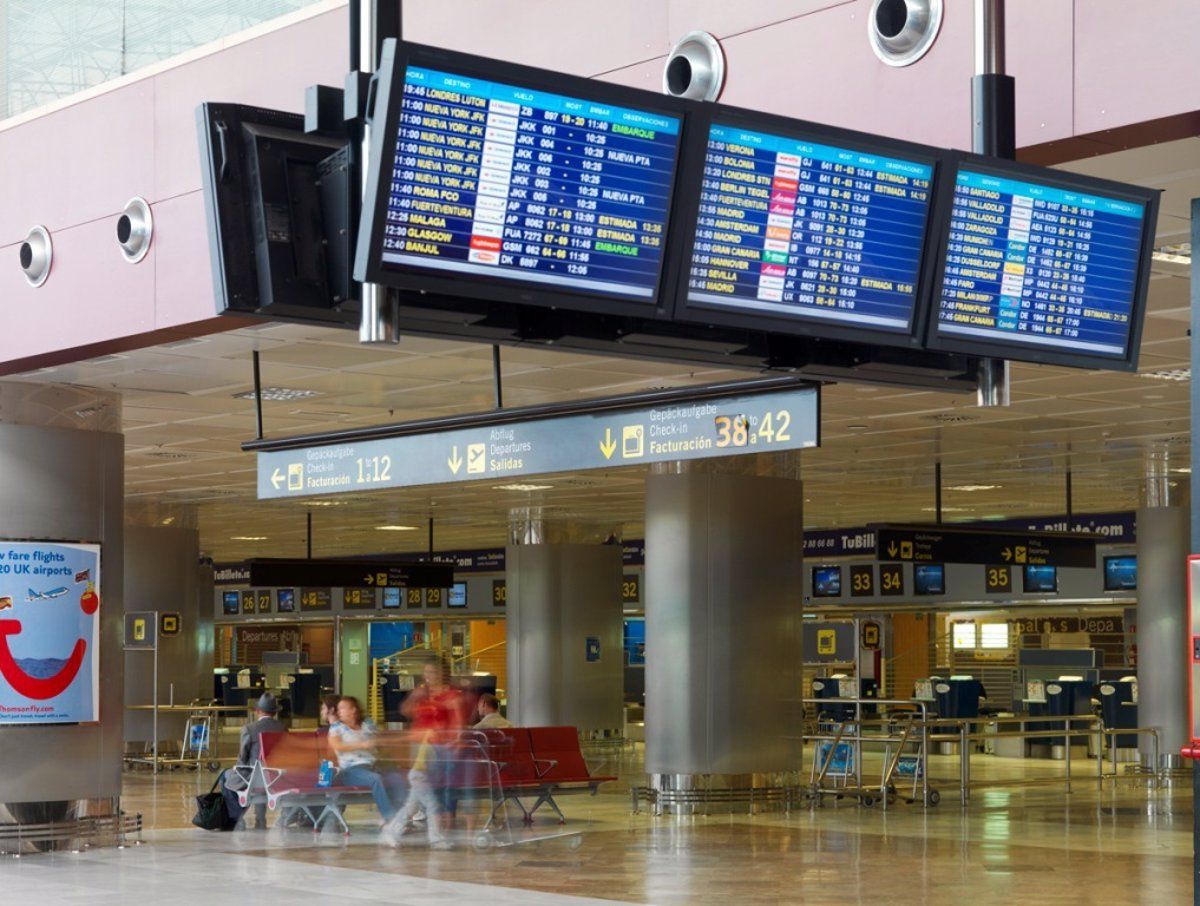
Tenerife South has become a crucial hub for managing the influx of diverted flights. As the main reception point for aircraft affected by the adverse weather conditions, the airport has had to adapt quickly to accommodate the unexpected surge in traffic. This situation not only tests the airport’s operational capabilities but also places additional stress on ground services, including baggage handling and passenger assistance. Travelers arriving at Tenerife South from diverted flights may experience longer wait times and crowded terminals as the airport works to manage the situation effectively.
In light of these disruptions, authorities have advised passengers to check the status of their flights regularly. With potential changes or delays expected, staying informed is essential for travelers navigating the complexities of air travel during such weather events. The situation serves as a reminder of the unpredictability of nature and its impact on our daily lives, particularly in the realm of air travel.