Exploring Lunar Navigation: The Role of LUPIN in Future Moon Missions
A Unique Testing Ground: Fuerteventura
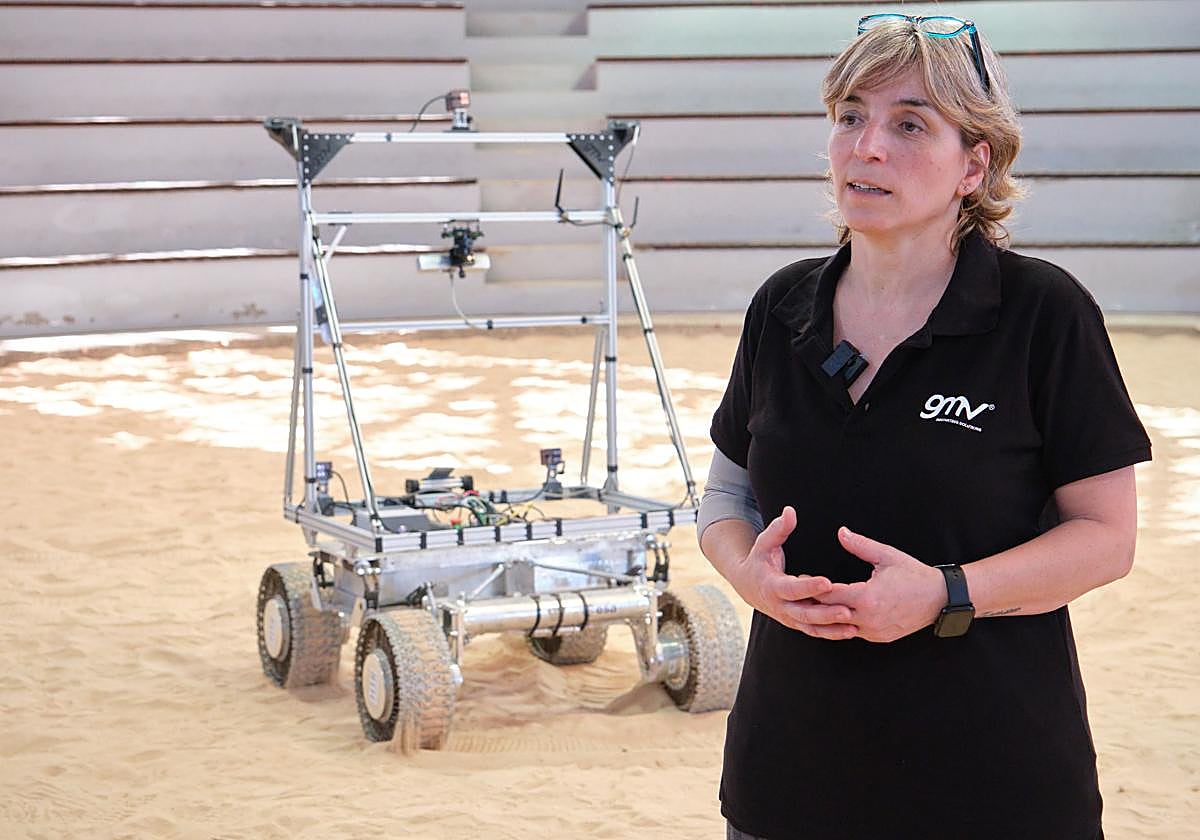
Fuerteventura, one of the stunning Canary Islands, has been identified as a prime location for testing lunar navigation technology. With its vast, open spaces and an absence of vegetation and light pollution, it offers a perfect environment to simulate the surface conditions of the Moon or even Mars. Mariella Graziano, the Director of Strategy and Business Development at GMV, emphasized this unique aspect during her presentation about LUPIN, a new navigation system akin to GPS, being tested for lunar expeditions.
The LUPIN Project
Despite appearing straightforward at first glance, the LUPIN project is a cutting-edge initiative endorsed by the European Space Agency (ESA). This technology aims to provide lunar rovers and astronauts with a navigation tool similar to what we use every day on our smartphones. The end goal? To enable autonomous exploration of the lunar surface, enhancing speed, safety, and operational efficiency. The tests carried out in La Oliva, Fuerteventura, have provided valuable insights, yielding seven kilometers of data and images collected both day and night.
The Complex World of Rover Navigation
Navigating the lunar terrain remains a highly intricate task. As Graziano pointed out, current rovers navigate through uncharted surfaces where the risk of falling into lunar craters is a significant concern. Caught in a maze of complexity, rovers previously relied primarily on images from earlier missions. This is where LUPIN transforms the paradigm: it aims to enable rovers to operate independently, much like cars do on terrestrial roads. By establishing a lunar GPS network, LUPIN could significantly expand the exploration range, allowing rovers to traverse several kilometers instead of just 100 meters.
Enhancing Exploration Efficiency
With LUPIN, lunar rovers will be equipped to explore the Moon’s surface with unprecedented freedom and safety. Graziano likened the functionality of LUPIN to how a smartphone acts as a navigation tool; it pinpoints your location and offers directions, all in real-time. This will enable rovers to send back more comprehensive data, vastly increasing the amount of terrain covered and the depth of research that scientists can conduct based on this exploration.
Preparing for Future Lunar Missions
The ongoing surge in lunar missions sets a precedent for more robust human exploration of the Moon. As discussions regain traction about returning humans to lunar soil, understanding the surface becomes increasingly vital. LUPIN will play a pivotal role in this. Graziano underscored how this lunar GPS will inform missions about safe zones and potential hazards, which is essential for any sustainable human presence on the Moon.
Engaging the Community: A Hands-On Experience
During one of the demonstration events in La Oliva, even children had the chance to operate a rover equipped with LUPIN, under the watchful eyes of engineering experts. This hands-on experience not only educated the younger generation but also illustrated the approachable nature of this advanced technology. Graziano conveyed that while it may look easy, the design and implementation are indeed technological masterpieces.
The Path Ahead
As we navigate this new frontier of space exploration, the advancements made with LUPIN may well guide humanity in its next steps on the lunar surface. With a focus on using technology to create safe, efficient exploration strategies, the LUPIN project stands poised at the forefront of our journey back to the Moon and potentially beyond.