The 2026 World Cup: A Tapestry of Heroism and Unforgettable Moments
The 2026 FIFA World Cup etched itself into the annals of football history, not just for the teams that triumphed but for the myriad stories of heroism that unfolded on the pitch. From the electrifying performances of substitutes to the resilience of players returning from injury, this tournament showcased the beautiful game in all its glory.
Spain’s Triumph: A New Era of Substitutes
On July 19, Ferran Torres found himself on the sidelines for over 100 minutes during the World Cup final against Argentina. Spain dominated possession and created numerous chances, yet the elusive goal remained out of reach. When coach Luis de la Fuente decided to bring on Torres and Nico Williams, the tide began to shift. Their combination in the 106th minute resulted in a goal that secured Spain’s second World Cup title, a feat they hadn’t achieved since 2010.
The match highlighted the depth of Spain’s squad, where substitutes played a pivotal role in breaking down a resolute Argentine defense. Williams’ pace and Torres’ finishing ability turned the tide, demonstrating that football often rewards those who can seize the moment, regardless of their starting status.
Rodri: The Unsung Hero
While Torres became the hero of the final, it was Rodri who orchestrated Spain’s midfield throughout the tournament. Having recovered from a serious knee injury just two years prior, Rodri’s journey back to the top was nothing short of inspiring. He not only controlled the tempo of the game but also provided the defensive stability that allowed Spain’s more adventurous players to flourish.
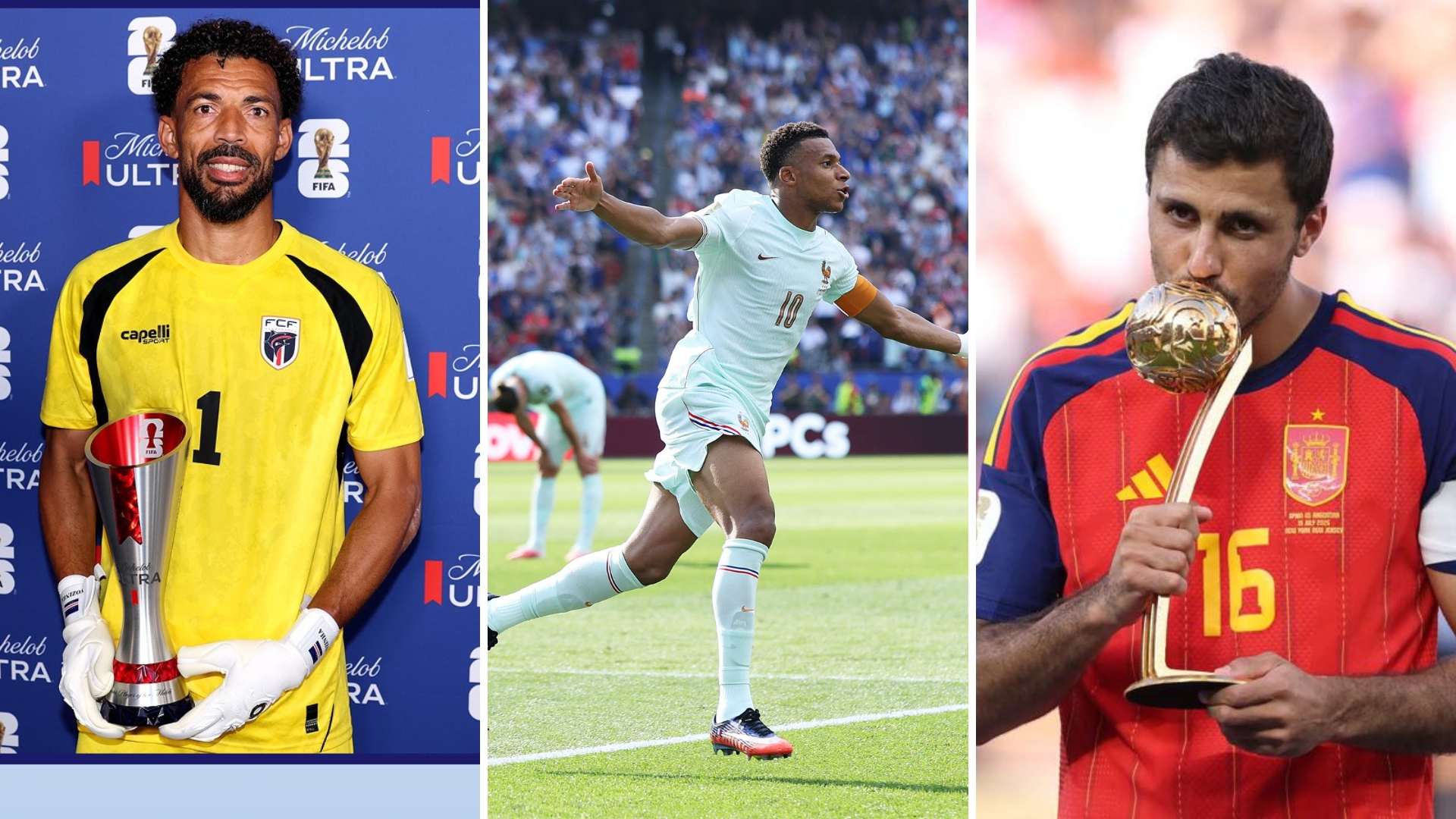
His performance earned him the FIFA Golden Ball as the tournament’s best player, and he set a record with 790 passes, the most by any player in a single World Cup. Rodri’s presence transformed Spain from a collection of talented individuals into a cohesive unit, showcasing the importance of teamwork in achieving greatness.
The Rise of New Nations: Cape Verde and Curaçao
The tournament also spotlighted the emergence of smaller footballing nations. Cape Verde, making their World Cup debut, captured hearts with their spirited performances. Their goalkeeper, Josimar José Évora Dias, known as Vozinha, became a symbol of resilience when he secured a goalless draw against Spain, making seven crucial saves. Cape Verde’s journey to the knockout stage was a testament to their determination and skill, proving that football’s biggest stage can be graced by newcomers.
Similarly, Curaçao’s goalkeeper Eloy Room made headlines with a record 15 saves in a goalless draw against Ecuador. His heroics not only secured a point for his team but also showcased the potential of smaller nations to compete at the highest level.
Kylian Mbappé: The Individual Brilliance
While Spain celebrated their collective success, Kylian Mbappé emerged as the tournament’s standout individual. The French captain scored 10 goals, earning the Golden Boot and becoming the all-time leading scorer in World Cup history at just 27 years old. Yet, despite his personal accolades, Mbappé’s disappointment was palpable. He expressed a desire for collective success over individual records, highlighting the emotional complexity of a player who has consistently delivered on the world stage.
Lionel Messi: A Final Farewell?
For many, the 2026 World Cup was seen as a potential swan song for Lionel Messi. At 39, he led Argentina to the final, scoring eight goals and providing four assists along the way. However, the final against Spain proved to be a challenging affair. Despite his efforts, Messi was largely contained, and Argentina struggled to create meaningful chances. His tears at the final whistle encapsulated the bittersweet nature of his journey—one filled with triumph but ultimately falling short of a second consecutive title.
Bukayo Saka: Turning Disappointment into Celebration
England’s Bukayo Saka also made headlines during the tournament. After a heartbreaking semifinal loss to Argentina, Saka turned the third-place playoff into a personal showcase, scoring a hat-trick against France. His performance not only secured England’s best World Cup finish since 1966 but also demonstrated that even in moments of disappointment, players can rise to the occasion and deliver unforgettable performances.
The Legacy of the 2026 World Cup
The 2026 World Cup was more than just a series of matches; it was a celebration of football’s ability to unite and inspire. From the tactical brilliance of Spain to the individual heroics of players like Mbappé and Saka, the tournament was a rich tapestry of stories that will resonate for years to come. Each player, whether a superstar or an underdog, contributed to a narrative that transcended the sport, reminding us all of the magic of the World Cup.