Fuerteventura Times – Business & Startups
Harnessing the Power of Renewable Energy for Economic Growth
As Fuerteventura forges ahead into a sustainable future, the integration of renewable energy sources is proving to be a game-changer for the local economy. The island’s clear skies and consistent winds make it an ideal setting for solar and wind energy, offering promising prospects for businesses willing to invest in this green revolution.
The recent surge in renewable energy initiatives has not only contributed to environmental conservation but has also sparked significant job creation in Fuerteventura. Local startups, buoyed by government incentives and a growing demand for clean energy solutions, are stepping into the spotlight. The collaboration between public authorities and private enterprises is driving innovative projects that promise to transform energy consumption patterns, making the island a beacon of sustainability.
Moreover, as Fuerteventura positions itself as a leader in renewable energy, it attracts eco-conscious tourists and investors alike. This shift not only enhances the island’s appeal but also diversifies its economic base, reducing reliance on traditional sectors such as tourism. The potential for long-term economic stabilization is immense, as renewable energy can anchor new industries and services, reshaping Fuerteventura into a thriving hub for innovation.
Source: Gobierno de Canarias
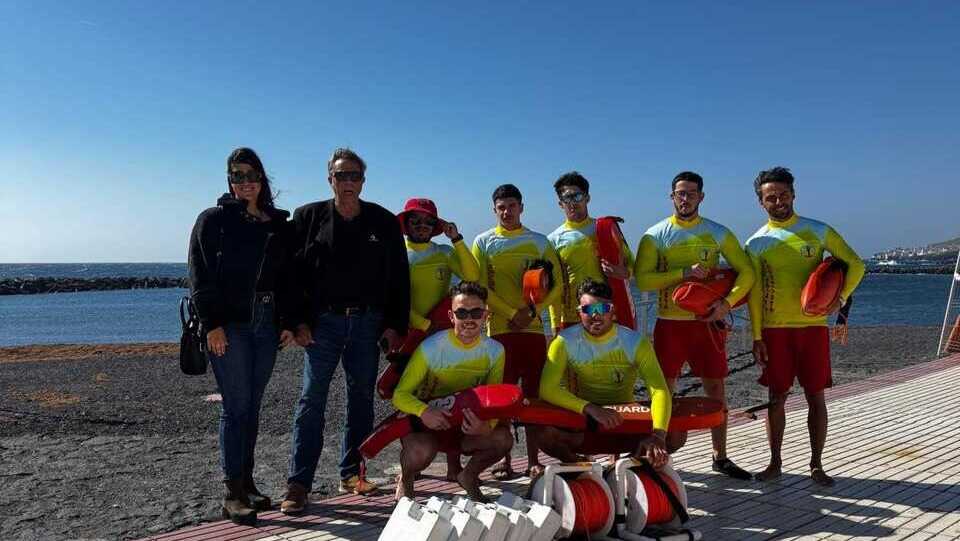
The lifeguard company Zuma, based in Tenerife, wants to make its way into Fuerteventura where it also aspires to dignify this sector punished by precariousness. This is what its administrator, Raquel Carrillo, defends in statements to La Voz de Fuerteventura, highlighting that the firm has improved the economic conditions of its workers despite the fact that this increase was not included in the tender contracts. “What we want is for the sector not to be lost,” says Carrillo, who warns that many professionals “have gotten tired and have gone to work in other categories where they obviously earn more.” In this context, he emphasizes that Zuma has chosen, to the extent that the tenders allow, to “improve salary prices so that they are better off and obviously always choose to continue their career as a lifeguard.” In Lanzarote, he assures, this improvement has been around “approximately 250 euros net for lifeguards”, reaching 1,550 euros per month. Zuma already provides services on the coast of Puerto del Carmen and, after signing the contract, will begin shortly in Arrecife. Lifeguards from Zuma, in Lanzarote The company’s position fully connects with the main demands that the lifeguards from La Oliva – dependent on the Red Cross as the contractor of the service that has been terminated and will be operating until the next award – have been expressing in different interventions. Salary improvements in the future tender, decent working conditions, more resources to serve the coastline and a safe and stable service, capable of responding to the pressure of beaches that are key for safety and for the tourist image of the municipality. This same Tuesday, there are only four professionals covering all the Dunes of Corralejo, the group laments, evidencing the shortcomings they denounce. Carrillo insists that the agreement does not distinguish between a pool lifeguard and a beach lifeguard. “We don’t see it as fair either that there isn’t a salary difference for both categories,” he points out, insisting that training and demands are not comparable. “A beach course, which takes more or less a year to complete, or even a PFAE, which takes two years, is not the same as a pool course, which takes one week and takes 40 hours,” in addition to the danger to which professionals are exposed. With this premise as its banner, Zuma tries to present itself as a company that not only competes for public contracts, but also wants to do so by correcting, at least in part, a historical complaint of the group. “We are going to present ourselves to all the tenders at the moment in Tenerife, Lanzarote and Fuerteventura,” Carrillo announces, pointing to the processes planned in La Oliva and also in Pájara where the current contract expires at the end of the year.
Originally reported by www.lavozdefuerteventura.com, rewritten by the Fuerteventura Times AI Editorial Desk.