Emergency Response to a Life-Threatening Incident in Lajares
On June 15, an alarming incident unfolded in Los Lajares, a charming locality in Fuerteventura. Emergency services sprang into action after receiving a distress call regarding a possible drowning of a young girl in a vacation rental property. This unfortunate event underscores not only the urgency of emergency response systems but also the vital role of prompt and effective intervention.
Immediate Activation of Emergency Services
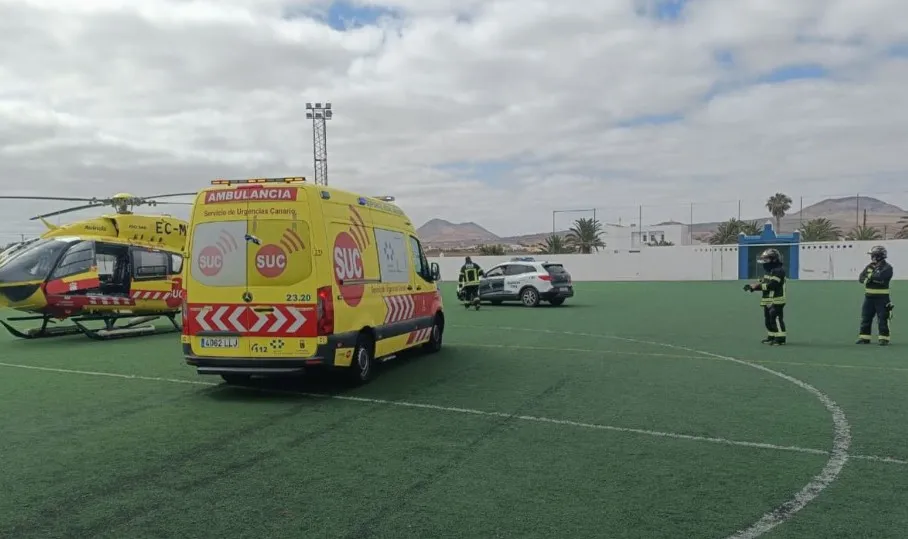
The emergency call was made to the CECOES 112, which activated a comprehensive response involving multiple agencies. A robust mobilization was initiated, consisting of the La Oliva Local Police, the Civil Guard, Canarian Health Service, Basic and Advanced Life Support ambulances, a medicalized helicopter from SUC, Civil Protection units, the La Oliva Fire Brigade, and the Municipal Emergency Coordinator.
The coordination effort was impressive, demonstrating how various agencies can work together effectively in high-pressure situations. This rapid response was crucial as every second counted in ensuring the well-being of the child involved.
Navigational Challenges and Quick Resolution
An initial challenge arose when there was a need to correct the incident’s location, preventing potential delays. Accurate information is vital during emergencies, as it directly affects the speed and efficiency with which medical teams can arrive at the scene. The teams’ commitment and urgency ensured they reached the minors promptly despite the logistical hiccup.
Life-Saving Measures in Action
Upon arrival, emergency medical personnel encountered a harrowing scene. A 20-month-old girl, who had been pulled from the swimming pool, needed immediate reanimation. The medical team quickly implemented CPR, showcasing the critical and often lifesaving skills that first responders must possess in these intense moments.
After intense efforts, the medical team—now bolstered by personnel from the medical helicopter—successfully stabilized the girl’s vital signs. This achievement is a testament to their rigorous training and swift action.
A Coordinated Medical Evacuation
Once stabilized, the girl was prepared for urgent transportation to a medical facility. The evacuation point was strategically chosen: a nearby football field in Lajares, where the helicopter could safely land to airlift the child to a hospital in Gran Canaria. This meticulous planning ensured that she received the most effective care available while minimizing any additional risks.
Strengthening Community Preparedness
Incidents like this highlight the importance of community awareness regarding safety protocols and emergency procedures, particularly in areas where swimming facilities are prevalent. Educating parents and caregivers on preventing drowning accidents, conducting regular safety checks, and having immediate access to emergency contact numbers can make a difference in outcomes.
The incident in Lajares serves as a reminder of the dedicated professionals working tirelessly behind the scenes during emergencies. It illustrates both the fragility of life and the importance of preparedness, training, and community vigilance.
This remarkable display of teamwork and professionalism not only brings hope in dire circumstances but also reinforces the need for ongoing education and awareness in life-saving techniques for everyone. By fostering a culture of safety, we may prevent future incidents and safeguard our communities.
Emergency responsiveness is no small feat, and it is through the dedication of first responders and the awareness of the community that individuals can be saved in critical situations.