Fostering Circular Economy in Fuerteventura’s Hospitality Sector
The Consejería de Transición Ecológica has recently hosted an illuminating training session in Fuerteventura, focusing on the pivotal topic of food waste reduction within the hotel industry. This initiative, part of a broader effort to instill strategies for circular economy in the Canary Islands, highlights the growing significance of sustainability in tourism.
Transforming Waste Management
The heart of this initiative lies in its structured approach to managing food waste, encouraging hotels to view waste management not just as a regulatory requirement but as a strategic opportunity. By optimizing operational processes and reducing costs, hotels can significantly contribute to a more sustainable tourism model. The Gobierno de Canarias has emphasized that this shift is beneficial not only for the environment but also for the businesses involved.
Insights from Key Leadership
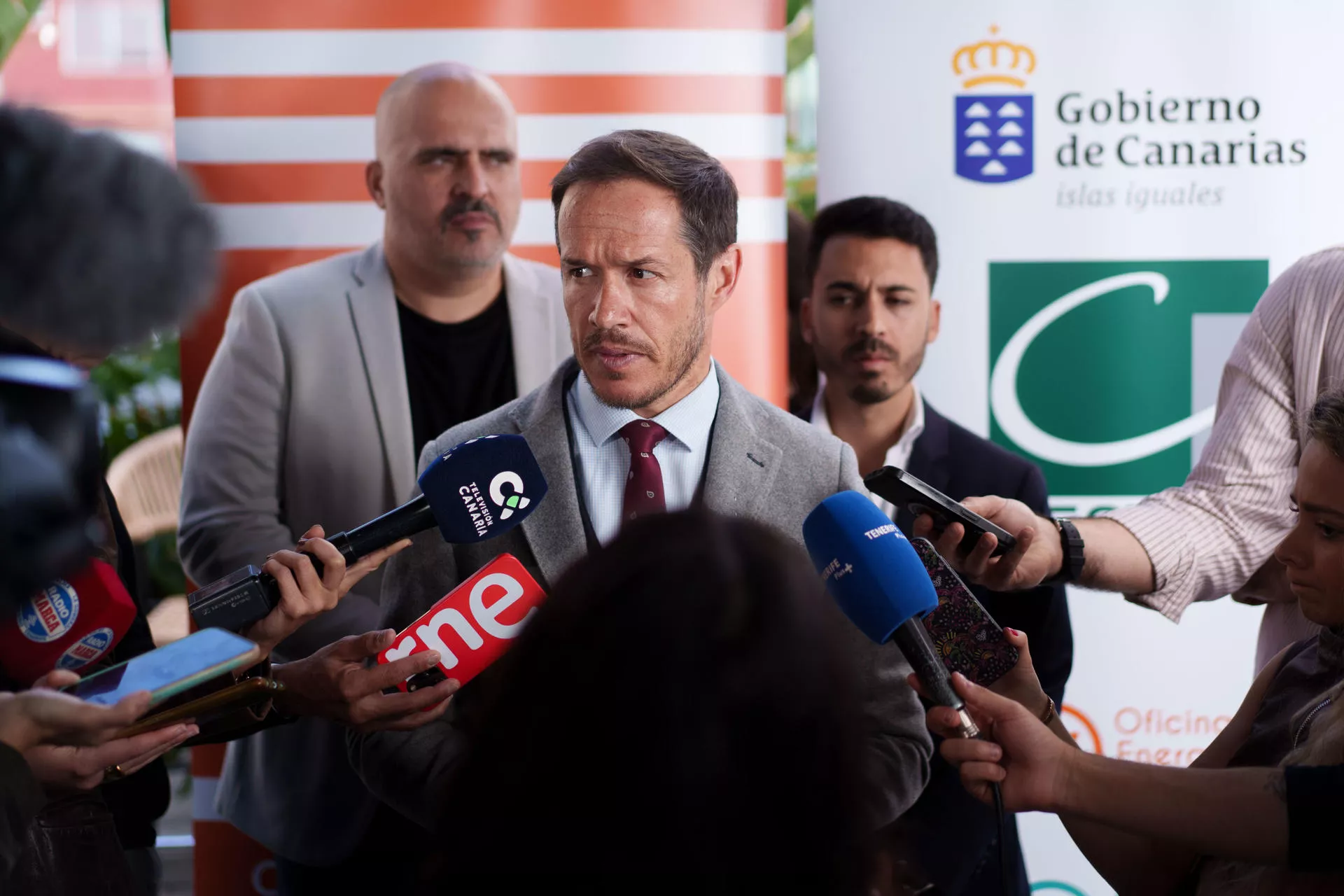
During the event, held at HD Lobos Natura in La Oliva, Ángel Montañés Ríos, the director general of Calidad Ambiental, addressed attendees, reinforcing the commitment of his department to actively assist the hotel sector in its transformation journey. He pointed out the essential role hotels play as major generators of food waste, asserting that the sector should strive to be a beacon of sustainable tourism development and circular economy advocacy across the islands.
Collaboration for Success
Montañés underscored the importance of collaboration between the private sector and government. He argued that the responsibility for leading the charge toward a circular economy should primarily rest with businesses, while governmental support should provide a strong backbone. Such gatherings facilitate the sharing of experiences, allowing industry professionals to identify improvement opportunities and enhance resource management efficiencies.
A New Perspective on Waste
The sessions aim to instigate a shift in how food waste is perceived and managed. By promoting methods that reduce the emissions linked to food waste and decreasing the transportation of these residues between islands, the program advocates for a more sustainable model that aligns with the unique territorial reality of the Canary Islands.
Local Government Support
Adding to the discussion, David Fajardo, the Councilor for Tourism of La Oliva, highlighted the local government’s ongoing efforts to address the specific needs and challenges within the tourism sector. His insights reflect a commitment to collaborative actions that bolster the region’s sustainability efforts.
Pioneering Sustainability in Canarias
As these training sessions continue, the Consejería de Transición Ecológica y Energía aims to position Canarias at the forefront of sustainability initiatives. By empowering businesses in the archipelago to take a more active role in responsible resource and waste management, the government is paving the way for a transformative impact on the tourism landscape. This strategy seeks to invoke responsibility not only towards the environment but also towards creating sustainable economic growth in the region.
This initiative presents a clear pathway for the Canary Islands to emerge as leaders in the hospitality sector, exemplifying how together, both the government and private enterprises can craft a more sustainable future.