New Discoveries in Roman Occupation at Isla de Lobos, Fuerteventura
The rich tapestry of history surrounding the Canary Islands continues to unfold, with recent archaeological developments highlighting the extent of Roman occupation on Isla de Lobos, situated off the coast of Fuerteventura. Recent excavations in the historic purple dye workshop have yielded remarkable findings that extend beyond previously protected areas, revealing extensive evidence of ancient practices and lifestyles.
Leadership and Expertise Driving the Excavations
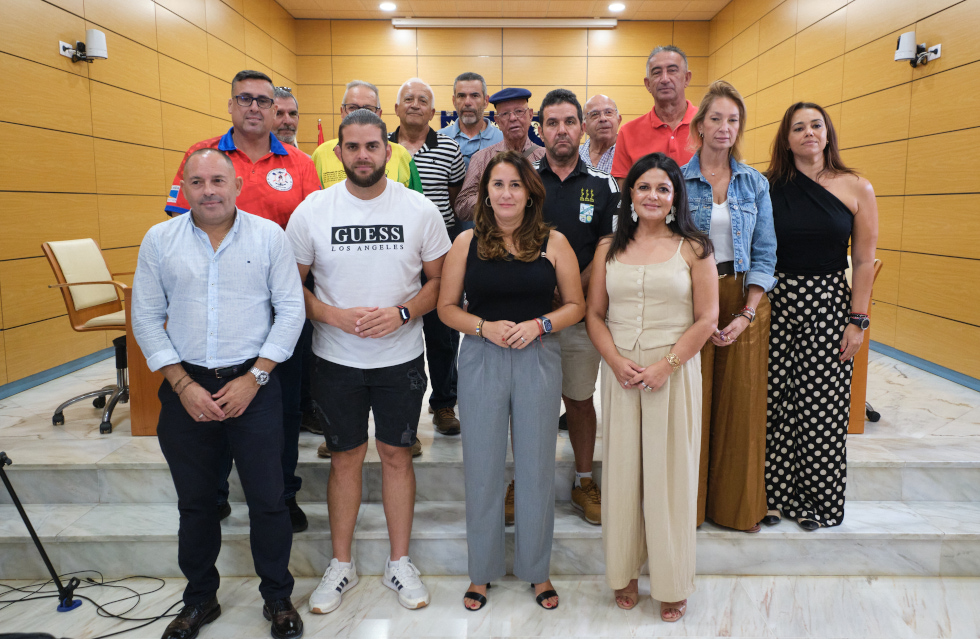
The ongoing campaign is spearheaded by a distinguished team including Mercedes del Arco Aguilar, a conservator at the Museum of Nature and Archaeology (MUNA) in Tenerife. Her collaborators include Isidoro Hernández Sánchez, director of the Archaeological Museum of Fuerteventura, and María del Carmen del Arco Aguilar, a renowned prehistory professor and honorary researcher at the University of La Laguna. Their combined expertise has been vital in uncovering the archaeological significance of the site.
Recent Findings: A Dive into the Past
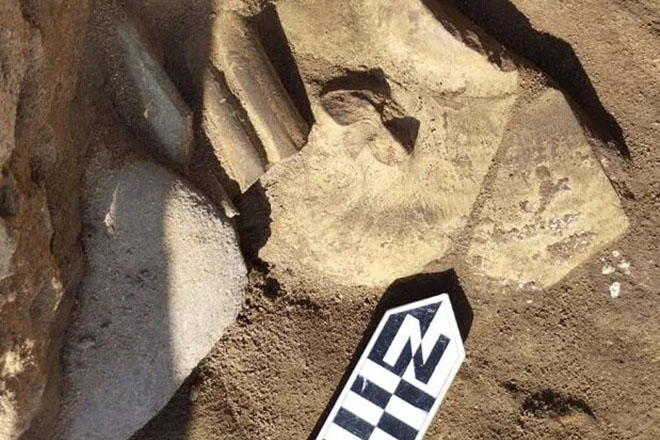
This year’s excavation efforts revealed a diverse array of materials, particularly ceramic and metallic artifacts, combined with significant structural discoveries. Among these are evidence of combustion structures and an intriguing area identified as a paved floor. These artifacts and traces provide a clearer picture of the activities that once thrived in this ancient Roman facility.
Historical Context: The Journey So Far
The current investigations represent a continuation of work that dates back to 2012, marking the beginning of archaeological excavation phases in the Roman purple dye workshop at Isla de Lobos. José Carlos Acha, the Cultural and Museum Advisor for Tenerife, has applauded these advances, noting their importance in uncovering the nuanced histories of the indigenous societies once inhabiting the archipelago.
Focused Groundwork and Advanced Techniques
Mercedes del Arco Aguilar describes how this year’s efforts concentrated on areas identified through georadar surveys last year, focusing on anomalies detected in the subsurface. The goal was to further understand these anomalies, ascertain their significance, and define the broader archaeological landscape of the site.
Exploring Layers of Occupation
Parallel to the ongoing excavations, work was also concentrated in the southern part of the workshop dating to the late Republican and early Imperial periods. This area spans 26 square meters and has unveiled multiple layers of occupation. Noteworthy findings include new records of purplish shells, traces of purpurigenous sediments, and a myriad of combustion structures. The rich array of materials not only highlights daily activities but also tells tales of dietary practices through remains of both terrestrial and marine fauna.
Importance of Cultural Reconstruction
Acha emphasizes the crucial role these excavations play in reconstructing the cultural landscape of indigenous groups in the Canary Islands. The work conducted provides invaluable insights into the history of our ancestors, shedding light on their lives, practices, and interactions with the environment.
The Search Continues
The recent work builds on earlier endeavors where georadar surveys had indicated fertile areas near La Calera beach, potentially uncovering even more significant archaeological layers at the Roman site on Lobos. The original archaeological interest was piqued in 2012, when tourists discovered fragments of Roman ceramic that led to the identification of amphoras at the site.
This ongoing exploration into the Roman occupation on Isla de Lobos not only serves to enhance our understanding of the past but also aids in preserving the rich heritage of the Canary Islands for future generations. The dedicated efforts of archaeologists, researchers, and local institutions are making a significant mark on our knowledge of this fascinating period in history.