Maritime Rescue Operation in Fuerteventura
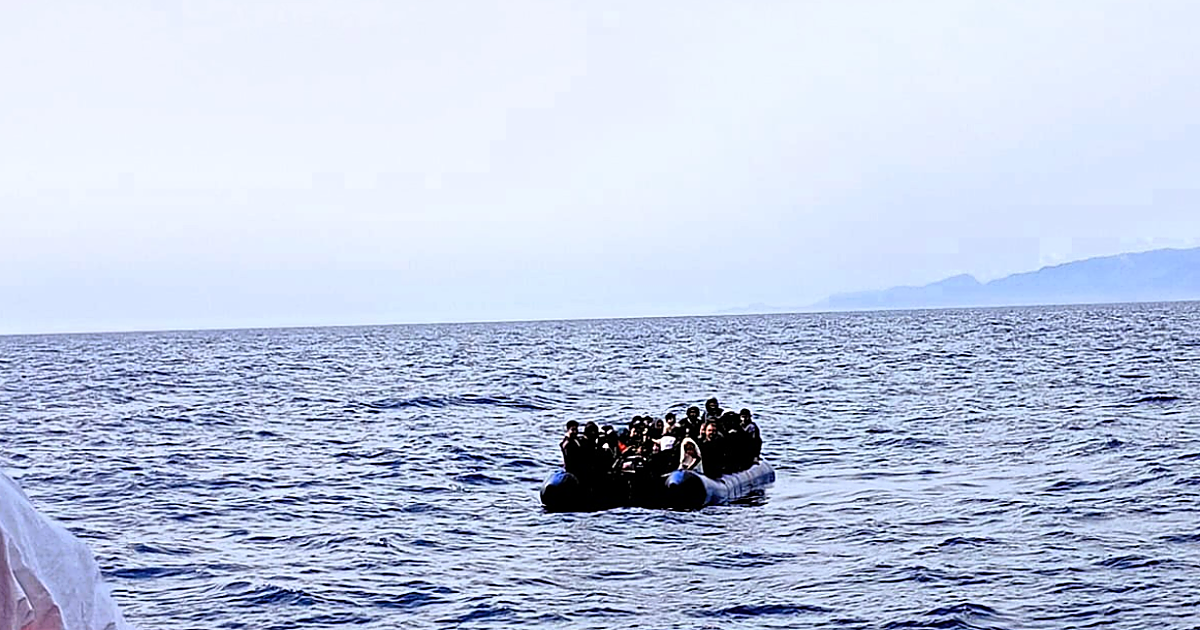
On April 6, 2026, in a remarkable demonstration of maritime rescue efforts, Salvamento Marítimo successfully located and rescued a vessel carrying 47 migrants off the coast of Fuerteventura, one of the islands in the Canary Archipelago. The operation, marked by significant coordination and prompt action, highlighted the continuing challenges faced by migrants attempting to reach European shores.
Location and Discovery
The rescue mission commenced around 14:40 when a recreational boat spotted the distressed vessel approximately 18.5 kilometers (10 miles) away from Morro Jable. This crucial sighting prompted immediate action from the maritime controllers, who confirmed the presence of the migrant boat using radar technology operated by the Guardia Civil. The collaboration between civilian and official maritime entities played a pivotal role in ensuring the safety of the individuals on board.
Mobilization of Rescue Teams
Following the initial report from the recreational boat, the rescue ship Salvamar Izar was dispatched to the scene. The crew maintained communication with the recreational vessel, which remained in the area until professional rescuers arrived. This level of cooperation showcases the importance of both public and private maritime vigilance in monitoring potential migrant crises.
Rescued Individuals
At around 16:36, the team aboard the Salvamar Izar began the rescue operation, successfully bringing all 47 individuals aboard. Remarkably, all migrants appeared to be in good health, a fortunate outcome given the often perilous conditions faced during such journeys. The group was composed of 36 men from the Maghreb region and 10 men from Sub-Saharan Africa, alongside one woman.
This diverse representation underlines the complex socio-political factors that drive individuals to undertake dangerous sea voyages in search of safety and better opportunities. The fact that all migrants were reported to be healthy is a testament to the effectiveness of the rescue operation and the preparedness of the involved teams.
Transportation to Safety
After successfully retrieving the migrants, the Salvamar Izar set course for Gran Tarajal, where those rescued would be disembarked safely around 18:00 hours. This transition from the vulnerable state at sea to a stable environment reflects the critical importance of rescue operations in saving lives and mitigating the risks associated with migration.
The Broader Context of Migrant Sea Crossings
The events of this day serve as a reminder of the ongoing migrant crisis affecting many regions, particularly those bordering the Mediterranean and surrounding seas. The Canary Islands have become a significant entry point for many seeking refuge, drawing international attention and requiring concerted response efforts from various government and humanitarian organizations.
As more individuals embark on treacherous journeys across the sea, the role of maritime rescue teams like Salvamento Marítimo becomes increasingly important. Their work exemplifies the dedication and courage needed to address complex humanitarian issues while also navigating the intricate laws of international waters.
Continued Awareness and Action
The successful rescue operation not only highlights the urgency of the migrant situation but also calls for greater awareness and understanding of the multifaceted factors that compel people to flee their homelands. It emphasizes the necessity for ongoing dialogue among countries, as well as comprehensive strategies to address root causes rather than merely responding to crises as they arise.
The resilience of both the rescuers and the migrants speaks volumes about the human spirit’s desire for survival and betterment, underscoring the ongoing need for compassionate and effective solutions in the face of adversity.