Recent Maritime Rescue Operation: Saving Lives at Sea
A Heroic Rescue Mission
At 12:35 PM, the Salvamar Izar, part of Spain’s Maritime Rescue Service, successfully carried out a significant rescue operation approximately 50 kilometers southeast of Fuerteventura. This mission was prompted by the detection of a distressed inflatable boat, which had been missing for several days with a vulnerable group on board. The successful rescue of 60 individuals, primarily of Maghreb and Sub-Saharan origins, highlights the ongoing challenges faced by many attempting to reach European shores.
Demographics of the Rescued
According to reports from the Red Cross, the rescued passengers included 56 men, two women, and two minors. Remarkably, all of them were reported to be in good health despite the harrowing conditions they had endured during their journey. This aspect of the rescue speaks volumes about the resilience of those seeking refuge and better opportunities across the Mediterranean.
The Role of Technology
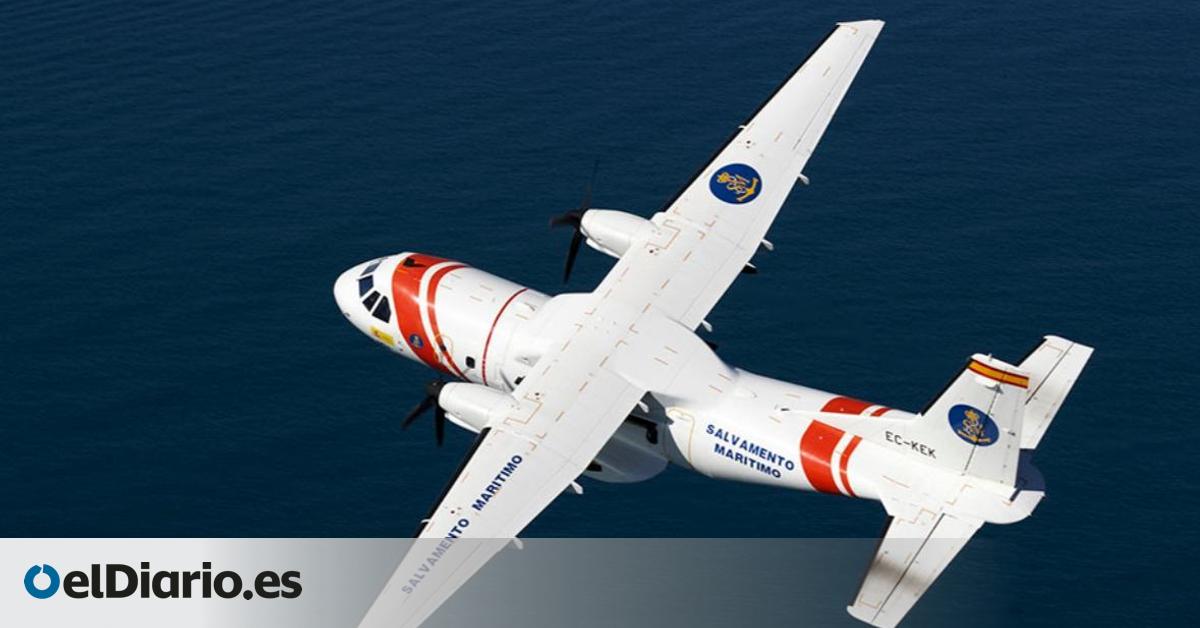
The operation was facilitated thanks to advanced technology, as the inflatable boat was initially spotted by a Sasemar 103 surveillance aircraft, a part of Spain’s state-owned search and rescue fleet. The aircraft’s timely detection of the vessel, located approximately 56 kilometers southeast of Gran Tarajal, was crucial in mobilizing the Salvamar Izar to the scene. This coordination exemplifies how aerial surveillance can play a vital role in maritime rescue operations, effectively informing on-ground rescue teams and enhancing operational efficiency.
Tough Conditions at Sea
Despite the successful outcome, the mission was far from simple. Upon discovery, the conditions at sea posed significant challenges, with high winds reaching up to 39 knots and waves between 5 and 6 meters. Such perilous weather conditions led the maritime services to request a nearby merchant vessel to stay alongside the stranded craft until the Salvamar Izar arrived. Ensuring the safety of all parties involved is a top priority during these complex operations, emphasizing the importance of teamwork and resourcefulness in critical moments.
Navigating to Safety
Following the rescue, the Salvamar Izar was expected to transport the individuals to the port of Gran Tarajal, located in the municipality of Tuineje. They were anticipated to be disembarked at around 4:00 PM. This logistical aspect underscores the intricacies involved in maritime rescues, where ensuring the safe transfer of rescued individuals is as significant as the initial rescue itself. The entire process, from detection to safe harbor, reflects the extensive planning and execution necessary to handle such delicate situations effectively.
The Broader Implications
This rescue not only shines a light on individual stories of survival but also raises questions about the broader humanitarian crisis in the Mediterranean region. Many individuals undertake perilous journeys seeking refuge from conflict, poverty, or persecution. Each rescue serves as a reminder of the ongoing struggles faced by those navigating complex geopolitical landscapes and the need for comprehensive solutions to address the underlying causes of migration.
As these discussions continue, the coordinated efforts of maritime rescue services, humanitarian organizations, and local governments play an instrumental role in ensuring the safety and dignity of those making these dangerous journeys. The recent operation serves not only as a testament to effective rescue missions but also as a call to action for the global community to address the challenges of migration head-on.
:format(jpg):quality(99):watermark(f.elconfidencial.com/file/a73/f85/d17/a73f85d17f0b2300eddff0d114d4ab10.png,0,275,1)/f.elconfidencial.com/original/bbe/8f5/d05/bbe8f5d052aa897d63290eaa13fc75d5.jpg "With a Single Inhabitant and the Bluest Waters on the Planet")