Discovering Ronda: The Enchanting City of Dreams
Beautiful Ronda is one of Spain’s oldest cities (Picture: Getty Images)
Steeped in dark myths and bullfighting folklore, Ronda is often referred to as the “City of Dreams.” Nestled atop a dramatic gorge about 100 km from Malaga, this ancient city is one of Spain’s oldest and most picturesque destinations. With its stunning landscapes and rich cultural heritage, Ronda is capturing the hearts of a growing number of travelers.
A Hidden Gem on the Rise
Recent surveys by Airbnb and Duolingo revealed that 66% of Gen Z travelers prefer lesser-known destinations over social media hotspots. Ronda has emerged as one of Europe’s top trending rural destinations, with search interest skyrocketing. This isn’t the first time Ronda has enchanted visitors; its Neolithic history and romantic allure have drawn poets and literary giants for centuries. The city’s breathtaking mountaintop setting is often hailed as one of the most spectacular locations in Spain.
The Allure of Old Spain
As a small town, Ronda is easily navigable on foot. Unlike many of its coastal counterparts, it has managed to retain its charm, avoiding the mass tourism that has plagued other areas. Here, you won’t find towering high-rises or chain hotels; instead, you’ll be greeted by whitewashed streets, sleepy squares, and the soulful strum of flamenco guitars. After spending a weekend in Ronda, I fell in love with its laidback charm. Here are some tips to make the most of your visit.
Snap Different Perspectives of the Puente Nuevo
Ronda’s crown jewel is undoubtedly the Puente Nuevo, a bridge that spans the gorge and connects the old and new parts of the city. Built in the 18th century, this iconic structure has been immortalized in the works of Orson Welles and Ernest Hemingway, both of whom spent summers in Ronda. For the best views, consider climbing uphill or descending the 200 steps to the Guaddalevín River. Once you’ve captured the perfect photo, relax with a jug of sangria and soak in the scenery.
Indulge in a Tapas Bar Crawl
No visit to Ronda would be complete without indulging in its culinary delights. The city’s unique cuisine reflects its diverse history, influenced by various cultures, including the Celts and Romans. Key dishes to try include oxtail stew, black pudding tostadas, fried aubergine drizzled with honey, and the iconic gazpacho.
Head to the Balcon del Tajo, a viewpoint near the Puente Nuevo, where you’ll find quaint restaurants tucked under the arches. Sample a few light bites at each spot for a true tapas experience. For a more upscale option, Pura Cepa offers a beautiful terrace perfect for enjoying local wines as the sun sets.
If you’re on the go, grab a bocadillo filled with local Iberian ham from one of the ventas (street cafes) scattered throughout the Old Town. These delicious baguettes often come slathered in tomato and garlic pulp. For a memorable dinner, La Tragata specializes in small plates of marinated fish and refreshing orange cold soup.
Explore on Foot with a Tourist Pass
Ronda is a popular day trip for those staying on the Costa del Sol, but to truly appreciate its charm, an overnight stay is recommended. Arriving by car or train (the train is advisable for those prone to motion sickness due to winding roads), the best way to explore is on foot. Start at the top and meander through the maze-like alleys of La Ciudad (Old Town), stopping to browse for souvenirs along the way.
If you plan to visit several attractions, consider investing in a “bono turistico,” a tourist pass that grants access to multiple sites for €12 (around £10.50). This includes the Puente Nuevo museum and the Arabic Baths, which date back to the 13th and 14th centuries. You can purchase a pass at the tourist information kiosk next to the bullring.
Learn the History of Bullfighting
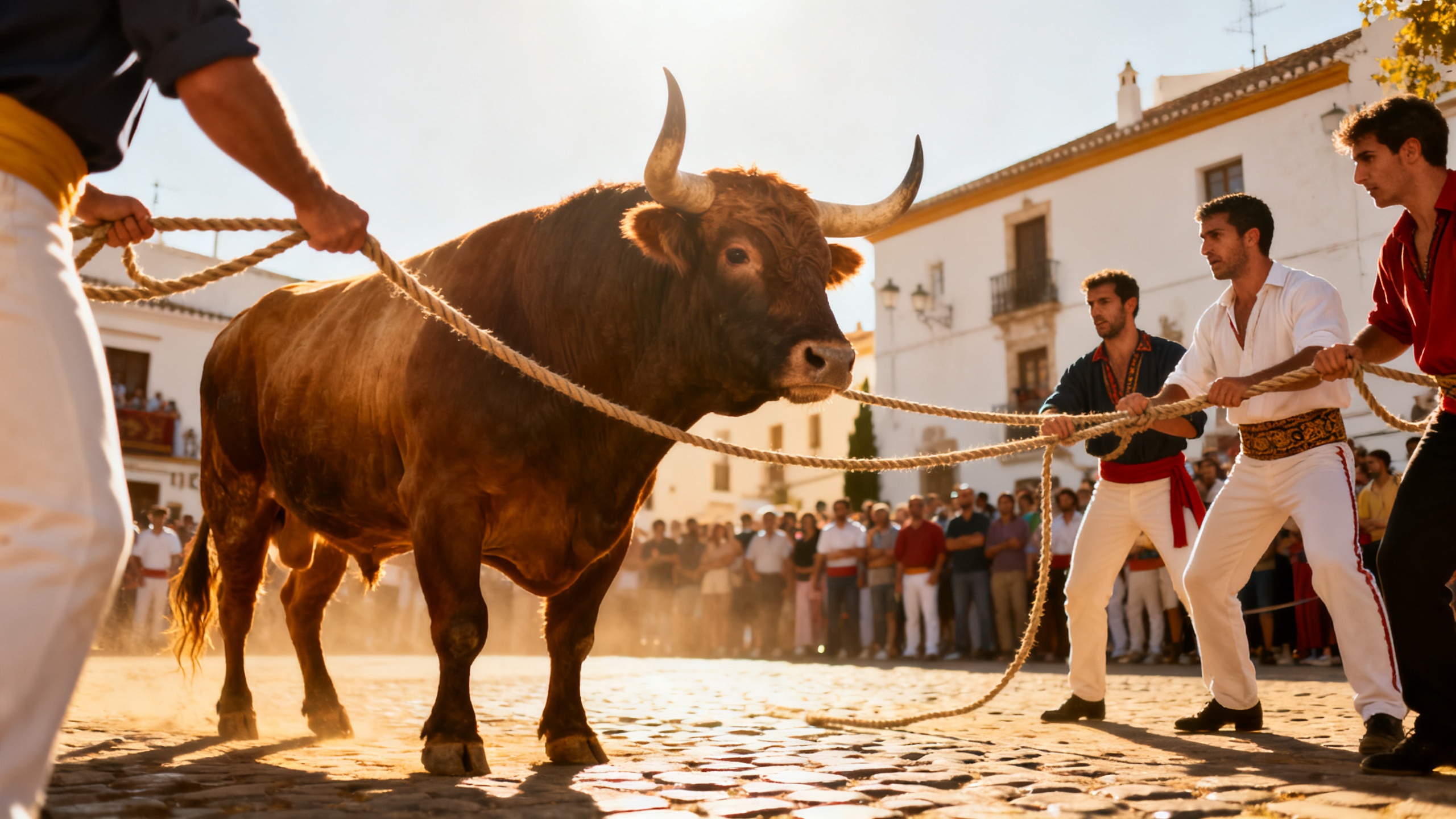
While bullfighting is a controversial aspect of Spanish culture, visiting Ronda’s historic bullring offers insight into this tradition. Ronda is considered one of the cradles of modern bullfighting, which emerged in the 18th century. Although bullfighting events are rare today, the stone complex, which includes stables and a small museum, is visually impressive and one of the oldest in Spain. Entry is €9 (£8).
Twin-City Adventures
Ronda is well-connected to larger Andalusian cities, making it easy to explore nearby destinations. Rail links to Malaga and Granada, along with local buses to places like Seville, offer plenty of options for day trips. After Ronda, consider visiting:
- Malaga
- Torremolinos
- Seville
- Marbella
- Granada
- Nerja
- Fuengirola
- Benalmadena
The Best Time to Visit Ronda
The ideal time to visit Ronda is during the shoulder seasons of April to June and September to October. The weather during these months is pleasant, making it perfect for walking and exploring. I visited in late June, right at the start of peak summer, and found the city to be surprisingly quiet.
Ronda is a captivating destination that offers a unique blend of history, culture, and stunning landscapes. Whether you’re wandering its charming streets, savoring local cuisine, or soaking in the breathtaking views from the Puente Nuevo, Ronda promises an unforgettable experience.