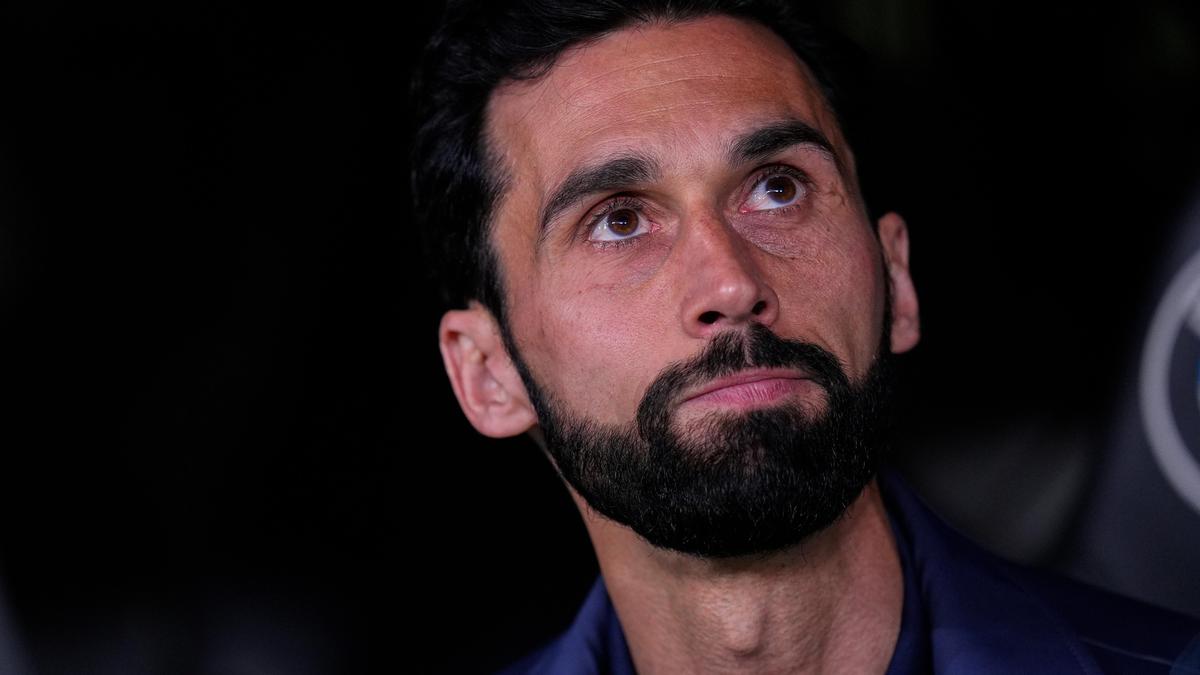
Alvaro Arbeloa’s Stance on Racism in Spain: A Closer Look
Introduction to the Incident
On April 3, 2026, Real Madrid’s head coach, Alvaro Arbeloa, made headlines with his comments regarding Spain’s societal attitudes towards racism. This statement came in the wake of an unsettling incident during a friendly match between Spain and Egypt, where sections of the crowd engaged in Islamophobic chanting. Arbeloa’s remarks sparked discussions about the nature of tolerance and racism in Spain, particularly in the context of football, a sport that often mirrors societal issues.
The Context of the Chanting
During the match held at Espanyol’s RCDE Stadium in Cornella, a segment of the audience chanted, “whoever doesn’t jump is Muslim.” This chant, which has been criticized for its overtly Islamophobic undertones, raised alarms among fans, players, and commentators alike. Such behavior at sporting events is not new, but it highlights ongoing tensions and prejudices that exist within society. The incident prompted immediate reactions from various stakeholders, including players, coaches, and anti-racism organizations.
Arbeloa’s Response
In response to the incident, Arbeloa emphasized that Spain is fundamentally a tolerant country. He argued that the actions of a few individuals do not represent the broader societal values of the nation. His comments aimed to downplay the significance of the chanting, suggesting that it was an isolated incident rather than indicative of a widespread issue. Arbeloa’s perspective reflects a common sentiment among some public figures who wish to promote a more positive image of their country, even in the face of troubling events.
The Debate on Tolerance vs. Racism
Arbeloa’s assertion raises important questions about the nature of tolerance in Spain. While many Spaniards pride themselves on their country’s rich cultural diversity and history of coexistence, incidents like the one at the match reveal underlying prejudices that persist. The dichotomy between self-perception and reality is a complex issue, as it challenges the narrative of a wholly tolerant society. Critics argue that dismissing such incidents as isolated can lead to complacency and hinder progress in addressing systemic racism.
The Role of Football in Society
Football, as a global phenomenon, often serves as a microcosm of societal issues. The sport has the power to unite people across different backgrounds, yet it can also amplify existing tensions. Arbeloa’s comments highlight the responsibility of football figures to address these issues head-on. Coaches, players, and organizations have a platform to advocate for change and promote inclusivity. The reactions to incidents like the chanting at the Spain-Egypt match can influence public discourse and potentially lead to meaningful reforms.
Public and Media Reactions
The media response to Arbeloa’s comments has been mixed. Some outlets praised his attempt to foster a narrative of tolerance, while others criticized him for downplaying the seriousness of the incident. Public opinion is similarly divided; many fans support Arbeloa’s view, while others feel that acknowledging the problem is crucial for progress. This division reflects broader societal debates about race, identity, and the role of public figures in shaping discourse.
Conclusion
Alvaro Arbeloa’s comments on racism and tolerance in Spain have opened up a vital conversation about the complexities of societal attitudes towards race and identity. As Spain continues to grapple with its diverse cultural landscape, the role of football and its leaders in addressing these issues will be crucial. The incident at the friendly match serves as a reminder that while progress has been made, there is still much work to be done in fostering a truly inclusive society.