The Democratic Socialists of America and Their Policies: A Look at Spain’s Current Crisis
If you’re curious about the implications of the Democratic Socialists of America’s mass-amnesty and open-borders policies, you need only look to Spain. Under the leadership of Prime Minister Pedro Sanchez, head of the Spanish Socialist Workers’ Party, the country is currently grappling with a significant migration crisis that serves as a real-world example of these policies in action.
The Influx of Migrants in Ceuta
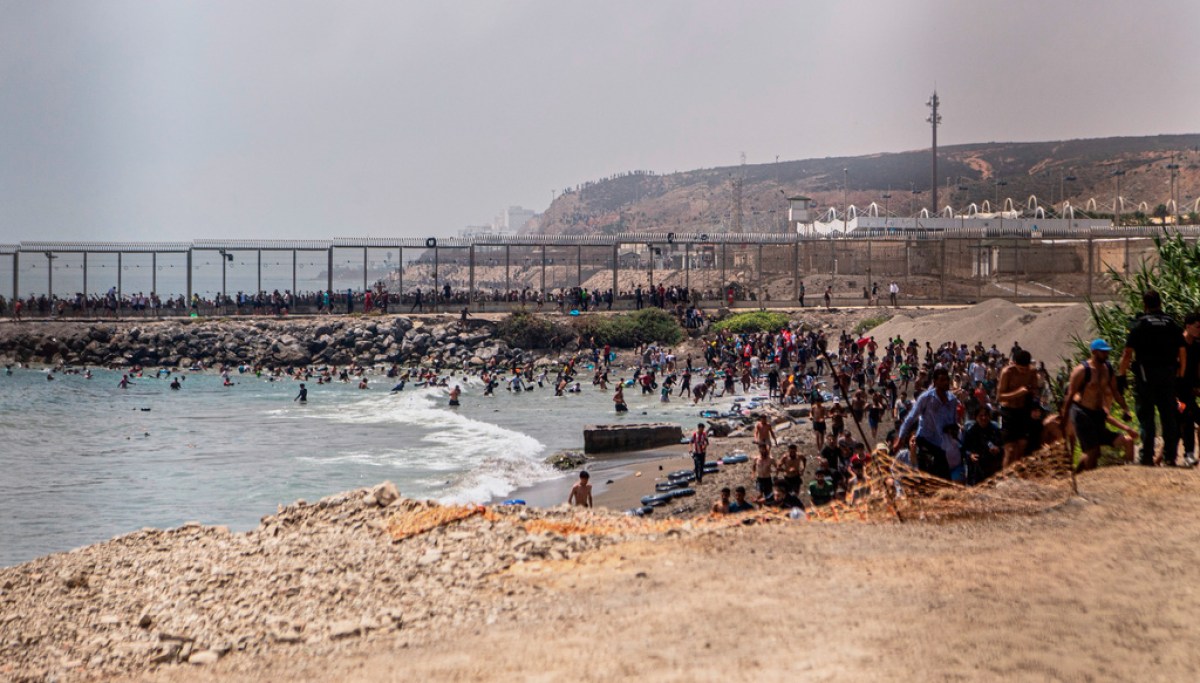
Recently, tens of thousands of military-aged men surged into the Spanish enclave of Ceuta, which borders Morocco. This unprecedented influx saw migrants swimming around breakwaters designed to separate Europe from Africa. The situation escalated quickly, with reports of looting, home invasions, and violent clashes between migrants and Spanish authorities. A Ceuta Civil Guard officer described the chaos succinctly: “The situation is absolute chaos.”
A Humanitarian and Social Emergency
Ceuta’s President, Juan Jesus Vivas, characterized the crisis as a “total humanitarian and social emergency.” Despite these alarming assessments, Sanchez hesitated to declare an emergency, arguing that Spanish civil-protection laws do not classify migration flows as a national security threat. This reluctance to act promptly has drawn criticism, especially as the situation deteriorated further.
In response to the escalating crisis, Sanchez eventually authorized military reinforcements for the Civil Guard, deploying platoons to secure the land border and dispatching diving teams to patrol the waters. However, many believe these measures came too late.
Legal Changes and Their Consequences
The immediate catalyst for this surge of migrants appears to be a recent ruling by the Spanish Supreme Court. This decision prevents the summary return of migrants who reach Spanish soil by sea, allowing them to apply for asylum instead. This process can take years, during which migrants with pending cases can obtain work permits after six months. Notably, nearly 50% of asylum-seekers in Spain receive some form of humanitarian protection.
Since the ruling, the number of migrants arriving in Ceuta has steadily increased, culminating in a staggering 1,500 arrivals in just one week. Tragically, three migrants lost their lives attempting to make the perilous journey.
The Amnesty Program
In January, Sanchez announced an extraordinary amnesty program aimed at illegal immigrants who had been in Spain for at least five months and had no criminal record. This initiative promised a one-year residence permit, the right to work and travel throughout the country, and a pathway to regular immigration status. Initially, the government estimated that around 500,000 migrants would qualify; however, over 1 million applications have been submitted.
Sanchez defended this amnesty plan by questioning the notion of recognizing rights as radical. He stated, “When did recognizing rights become something radical? When did empathy become something exceptional?” He emphasized that Spain is a welcoming country, choosing a path of “dignity, community, and justice.”
The Dilemma for Ceuta’s Citizens
However, the question remains: where was this “dignity, community, and justice” for the residents of Ceuta as they faced the chaos of mob invasions and looting? The stark contrast between the government’s policies and the lived experiences of local citizens raises serious concerns about the effectiveness and implications of such open-border policies.
A Broader Warning
The situation in Ceuta serves as more than just a Spanish crisis; it acts as a cautionary tale for Americans regarding the potential consequences of similar policies. Critics argue that the socialist ideologies driving these migration policies overlook the complexities of border enforcement and national security.
The narrative suggests that the socialist policies in many Third World countries have contributed to their citizens’ struggles, and now, proponents of these ideologies in Europe and the U.S. seem intent on importing that same turmoil. With President Joe Biden allowing millions of migrants into the U.S., the fear is that another Democratic administration could exacerbate this trend.
In summary, the unfolding events in Spain provide a vivid illustration of the challenges and consequences associated with mass-amnesty and open-border policies. As the situation continues to evolve, it raises critical questions about the balance between humanitarian efforts and the responsibilities of governments to protect their citizens.


