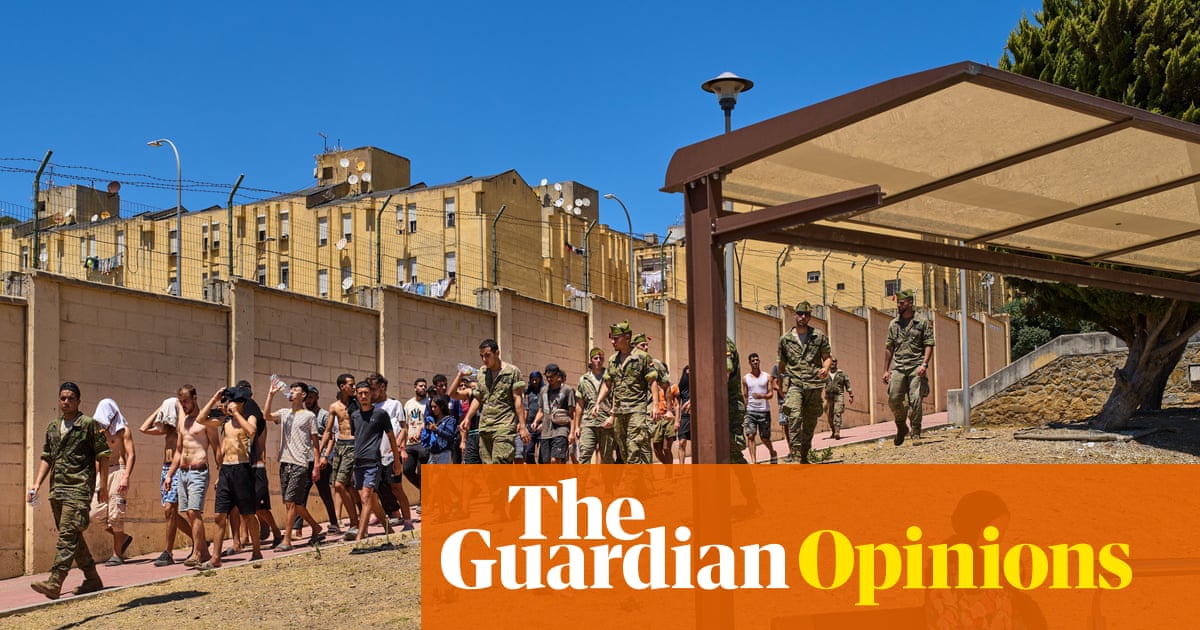
The Tragedy at Ceuta: A Humanitarian Crisis Ignored
At least 72 lives were lost last week as a desperate wave of migrants attempted to swim from Moroccan waters to the Spanish exclave of Ceuta. This tragic event, where most victims drowned or were crushed in the chaos, highlights a growing humanitarian crisis that has largely gone unnoticed amid political posturing and sensational rhetoric.
The Scale of the Crisis
The sheer number of individuals involved—tens of thousands—paints a stark picture of desperation. Many of these migrants returned to Morocco within 48 hours, having faced the grim reality of their situation. Reports indicate that they were driven by a lack of job opportunities, decent wages, and prospects in their home country. The dangerous decision to attempt the crossing underscores the immense frustration and hopelessness felt by many young people in North Africa.
Misinformation and Lack of Preparedness
A significant factor contributing to this tragedy was the misinformation circulating on social media. Following a ruling by the Spanish Supreme Court that migrants arriving by sea could not be summarily turned back, the situation escalated. Moroccan authorities appeared unprepared to manage the chaotic exodus, which echoed previous smaller incidents. Despite online indications that such a mass crossing was possible, no alarms were raised, leaving both governments caught off guard.
The Spanish government, preoccupied with battling ongoing wildfires, was ill-equipped to handle the influx. This lack of preparedness not only exacerbated the situation but also led to tragic outcomes that could have potentially been avoided.
Political Exploitation of the Crisis
In the aftermath, political leaders across Europe seized the opportunity to exploit the crisis for their own agendas. Donald Trump labeled the situation an “invasion,” while Italian Prime Minister Giorgia Meloni took a hardline stance by temporarily suspending the Schengen agreement with Spain, despite the fact that Ceuta is not part of the Schengen zone. Such actions reflect a troubling trend where political leaders prioritize domestic optics over genuine humanitarian concerns.
Germany’s Chancellor Friedrich Merz also joined the fray, signing a letter with 21 other leaders criticizing Spanish Prime Minister Pedro Sánchez’s liberal migration policies. This move was less about addressing the crisis and more about appeasing domestic political pressures, particularly as both leaders face challenges from far-right parties in their respective countries.
The Role of Misinformation and Hyperbole
The rhetoric surrounding the crisis has been characterized by hyperbole and finger-pointing, which only serves to undermine solidarity among European nations. For instance, the leader of Germany’s far-right Alternative für Deutschland (AfD) quickly claimed that the majority of those entering Ceuta would likely head to Germany. Such statements not only distort the reality of the situation but also contribute to a climate of fear and division.
A Call for Cooperation
Despite the chaos, it is crucial to recognize that crossing from Ceuta into mainland Spain and the Schengen zone requires passing through a checkpoint. Moreover, irregular border crossings into Europe have actually declined by 40% in the first half of 2026, thanks to better-coordinated preventive strategies. Instead of targeting Sánchez, European leaders should be focusing on collaborative efforts to prevent such tragedies in the future.
The situation at Ceuta is a stark reminder of the complexities surrounding migration in Europe. It underscores the need for a more compassionate and cooperative approach to address the root causes of migration, rather than allowing political agendas to dictate responses to human suffering.


