As Fuerteventura continues to attract investors, the local tourism sector is facing significant challenges concerning communication and collaboration among stakeholders.
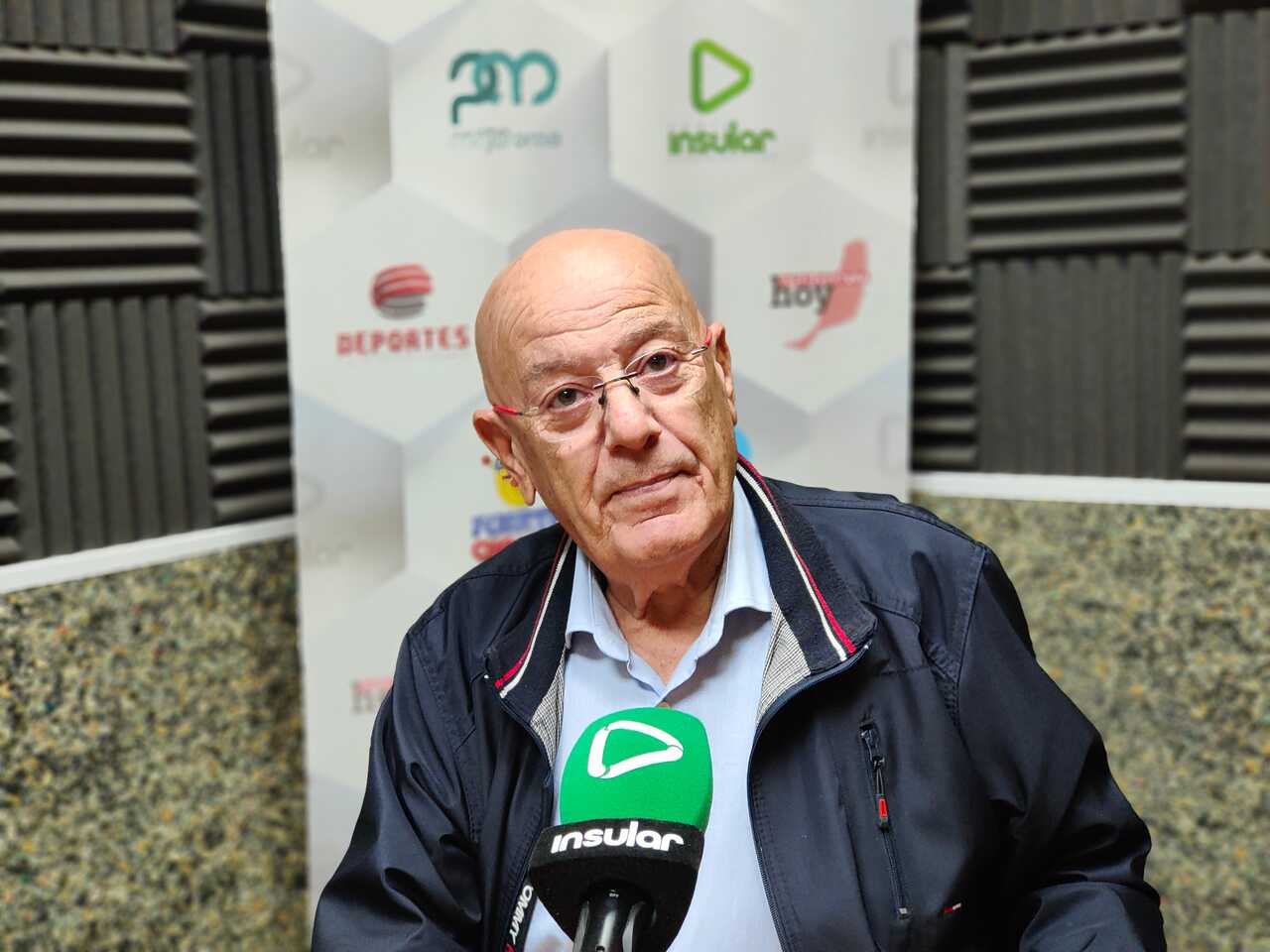
Antonio Hormiga, the president of the Fuerteventura Employers’ Association (ASOFUER), has publicly expressed frustration over the inadequate communication between the Fuerteventura Island Tourism Board and his organization. In a recent interview on Radio Insular’s La Voz de Fuerteventura, Hormiga bluntly stated, “For the Board of Trustees, we simply do not exist,” highlighting a breakdown in institutional dialogue.
The tension escalated following the appointment of the new manager of the Tourism Board. Hormiga noted that he had not received any official confirmation regarding this appointment, but he believes it has taken place. He criticized the previous manager, Moisés Jorge, for not meeting qualifications, which caused delays in leadership transitions. Hormiga remarked on the opacity of the appointment process, stating, “I don’t know if the curriculum has improved or if there was a special contest.”
This communication gap has been particularly noticeable since ASOFUER representatives decided to abstain from attending the recent Fuerteventura Distinguished Tourism Awards. Hormiga reiterated that the core issue is not the positions themselves but a lack of dialogue, particularly during trade fairs where he feels uninformed and unconsulted. He maintains a more constructive relationship with the regional Tourism Minister, Jessica de León, commending her leadership on recent legislation related to vacation rentals.
Hormiga also participated in the Council of Spanish Tourism Employers (CEHAT) National Congress in Cartagena, which emphasized the urgent need for tourism to engage more deeply with local communities. He stressed that modern tourism must encompass sustainability and social responsibility, fostering genuine connections with the environment.
Looking ahead, Hormiga noted that although tourism forecasts for 2026 and 2027 seem promising, the growth trajectory for Fuerteventura is expected to stabilize thereafter. He expressed concern over the increasing competition from destinations like Morocco, which are developing a significant number of new hotels in close proximity to the Canary Islands. He cited existing legal uncertainty as a deterrent for investors, warning that Fuerteventura could miss opportunities for growth if it does not adapt.
To enhance Fuerteventura’s appeal, he called for urgent investments in tourism infrastructure, such as improving beaches and public spaces. He criticized certain municipalities, specifically Antigua, for failing to finalize essential anti-fraud measures, therefore missing chances for project funding. Conversely, he praised La Oliva for its proactive approach and urged other municipalities to be equally ambitious in pursuing available European Next Generation Funds.
The interview concluded with a discussion about recent tensions with a newly forming self-employed group in Fuerteventura. Hormiga referred to the group’s spokesman in less-than-flattering terms and emphasized that he was only addressing specific issues with their leadership. He has reportedly filed a legal complaint against this individual for operating without a license and employing unregistered workers.
As the tourism environment continues to evolve, it is clear that open communication and strategic investments will be key for Fuerteventura’s future in attracting both visitors and investors alike.
Image credit: www.lavozdefuerteventura.com
Source: www.lavozdefuerteventura.com.
Curated by Fuerteventura Times Real Estate Desk.