Countries Send Aircraft to Repatriate Citizens
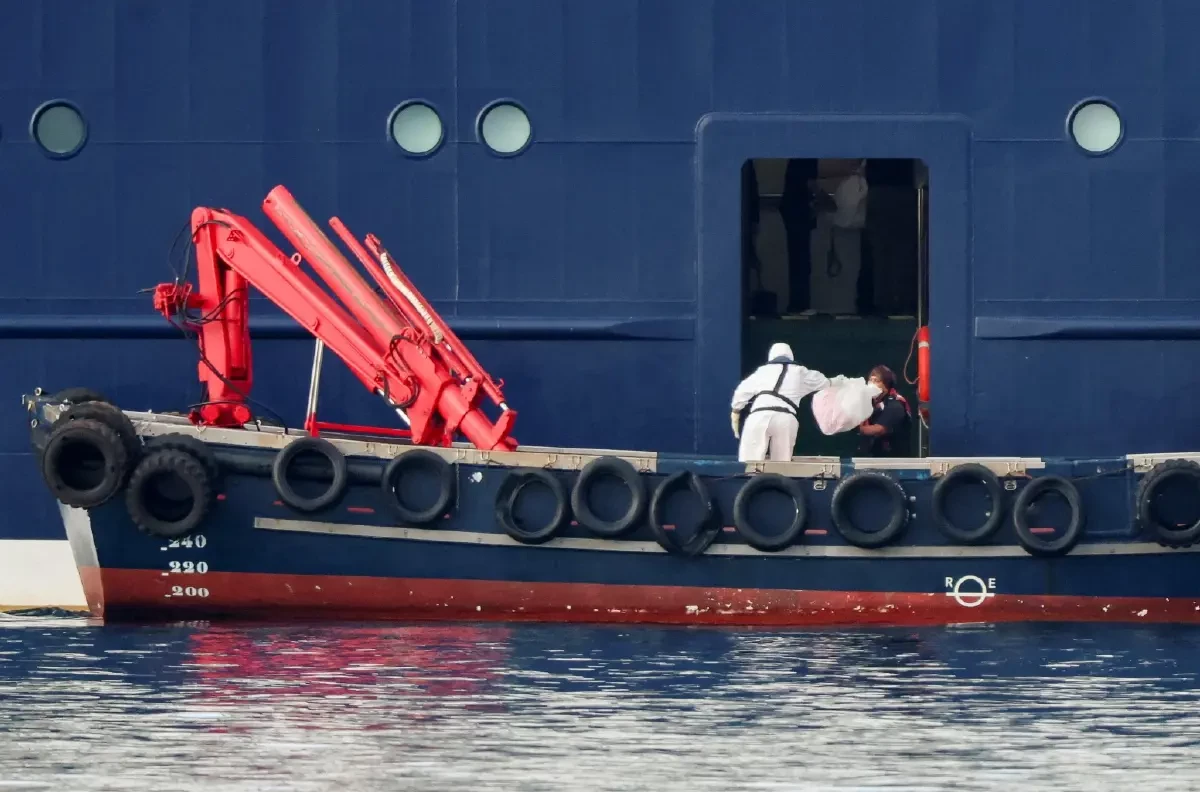
In a dramatic response to a health crisis aboard a cruise ship, several governments have mobilized chartered aircraft to repatriate their citizens. As passengers disembarked, authorities swiftly implemented quarantine measures to ensure public safety. This coordinated effort highlights the urgency and seriousness of the situation, as countries prioritize the health of their citizens while managing the risks associated with the Andes strain of hantavirus.
The United States has taken a proactive approach by transporting its citizens to a specialized medical center in Nebraska. This facility is equipped to handle potential cases and monitor individuals closely. Meanwhile, France has instituted a rigorous protocol requiring a 72-hour hospital quarantine for returning passengers, followed by an additional 45 days of home quarantine. This two-tiered approach aims to mitigate any potential spread of the virus within the community.
British passengers are also facing immediate health assessments upon their return. They will be taken directly to hospitals for observation, ensuring that any symptoms are promptly addressed. Norway has taken a unique step by dispatching a special European Union medical evacuation aircraft to retrieve high-risk individuals, underscoring the collaborative efforts among European nations in addressing this health emergency.
Parachute Mission Reaches Suspected Case on Remote Island
In a remarkable display of logistical ingenuity, the British military executed a parachute mission to assist a suspected case on Tristan da Cunha, one of the world’s most isolated inhabited islands. This extraordinary operation was necessitated by the fact that the island lacks an airport and is approximately six days by sea from Cape Town. The military’s rapid response included not only the deployment of medical personnel but also the airdrop of oxygen cylinders and essential medical equipment.
This mission reflects the lengths to which governments are willing to go to protect their citizens, even in the most challenging circumstances. The isolated nature of Tristan da Cunha complicates medical emergencies, making this intervention all the more critical. The swift action taken by the British military serves as a testament to the importance of preparedness in remote areas, especially during health crises.
International Concern Over Hantavirus
The large-scale evacuation and repatriation efforts are primarily driven by international concern over the Andes strain of hantavirus. While this virus is not commonly transmitted between humans, the potential for rare cases to occur has raised alarms among health officials. As passengers are repatriated, authorities are expected to maintain vigilant monitoring throughout the one- to eight-week incubation period. This proactive surveillance is crucial in preventing any potential outbreaks and ensuring that public health remains a top priority.
Future Implications for Cruise Ship Health Management
As the MV Hondius prepares to return to the Netherlands for cleaning and disinfection, the outbreak aboard the ship is likely to serve as a new reference point for managing high-risk emerging disease incidents in the cruise industry. The lessons learned from this situation will undoubtedly influence future protocols and safety measures on cruise ships, which have become increasingly popular yet vulnerable to health threats.
The coordinated efforts of various governments and health authorities in response to this crisis illustrate the importance of international collaboration in managing public health risks. As the world continues to navigate the complexities of global travel and emerging diseases, the experiences from this incident will likely shape future policies and practices aimed at safeguarding public health.


