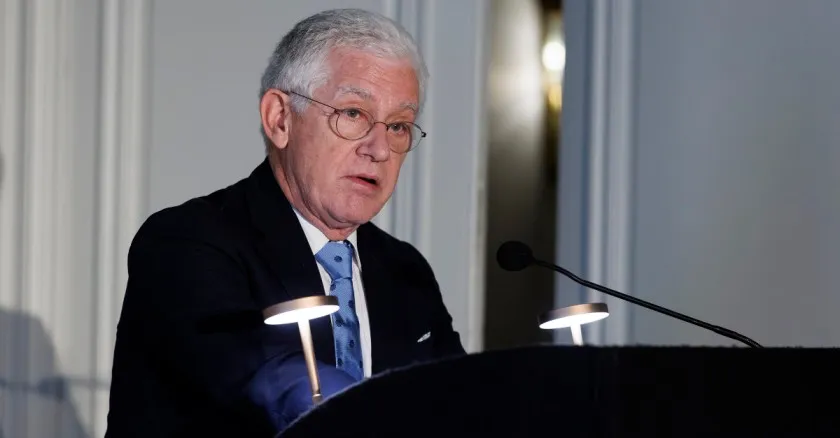
The Impact of Global Conflicts on Tourism: Insights from Manuel Butler
Manuel Butler, the director of the Spanish Tourist Office in the UK, recently shared his insights on the evolving landscape of tourism in light of ongoing conflicts in the Middle East. His perspective sheds light on how geopolitical tensions can influence travel trends, particularly for popular destinations like Spain.
Increased Interest in Safe Destinations
Butler noted that since the outbreak of the Iran conflict on February 28, there has been a noticeable shift in traveler preferences. Many are gravitating towards “safe destinations,” with Spain being a prime example. He expressed optimism that the country will likely see an increase in UK arrivals this year compared to last. This trend highlights a broader pattern where travelers seek reassurance and security in their holiday choices, especially during turbulent times.
A Cautionary Outlook
Despite the potential short-term benefits for Spain, Butler cautioned against viewing the situation through a purely optimistic lens. He emphasized that the ongoing conflict represents a “lose-lose” scenario for the tourism industry. “Nobody is winning,” he remarked, underscoring the broader implications of war on global travel. The airline industry, a crucial component of tourism, is particularly vulnerable, and Butler warned that disruptions could have cascading effects on travel plans.
Concerns Over Flight Disruptions
Travel agents and operators are increasingly faced with the challenge of reassuring clients who are anxious about possible flight disruptions due to a potential jet fuel shortage. Butler acknowledged these concerns, stating, “We used to say tourism has a short memory, but I think there are deeper implications.” He highlighted the strategic and investment-related consequences of the conflict, which could affect the capacity to produce jet fuel and, consequently, the overall travel experience.
Navigating New Travel Regulations
As travelers prepare for their journeys, Butler provided insights into the new Entry/Exit System implemented by the EU. He predicted that UK travelers would encounter few issues when passing through this system, thanks to discussions with high-ranking tourism officials in the UK. While he acknowledged that there might be some punctuality challenges, he reassured that there have been no significant complaints about long queues so far.
The Role of Travel Agents
As Butler approaches the end of his five-year term in August, he remains steadfast in his belief that the UK travel trade plays a vital role in promoting travel to Spain. He emphasized the importance of travel agents, stating, “They are pivotal not only for giving advice to holidaymakers about Spain as a destination but also for promoting more sustainable tourism.” His comments reflect a growing recognition of the human element in tourism, even in an age increasingly influenced by technology and artificial intelligence.
Focus on Sustainability
Butler expressed pride in the initiatives he has championed during his tenure, particularly those aimed at promoting sustainable and accessible travel. He highlighted the success of Spain Talks, the Spanish Tourist Office UK’s annual sustainability forum, which has seen increased participation over the years. “It’s a good indicator that the concept works and it’s needed,” he noted, emphasizing the importance of addressing both economic and social aspects of tourism.
A Shift in Tourism Values
Reflecting on the evolution of tourism over the past few decades, Butler pointed out that the focus has often been heavily weighted towards economic benefits. He advocates for a more balanced approach that considers the social implications of tourism. “It’s been about putting the focus on everybody, and not focusing solely on the economic aspects,” he said, highlighting the need to return to the original values of tourism.
In summary, Manuel Butler’s insights provide a nuanced understanding of the current state of tourism in Spain amidst global conflicts. His emphasis on safety, sustainability, and the vital role of travel agents paints a comprehensive picture of the challenges and opportunities facing the industry today.