The Incident of El Majorero: A Day Out Gone Awry
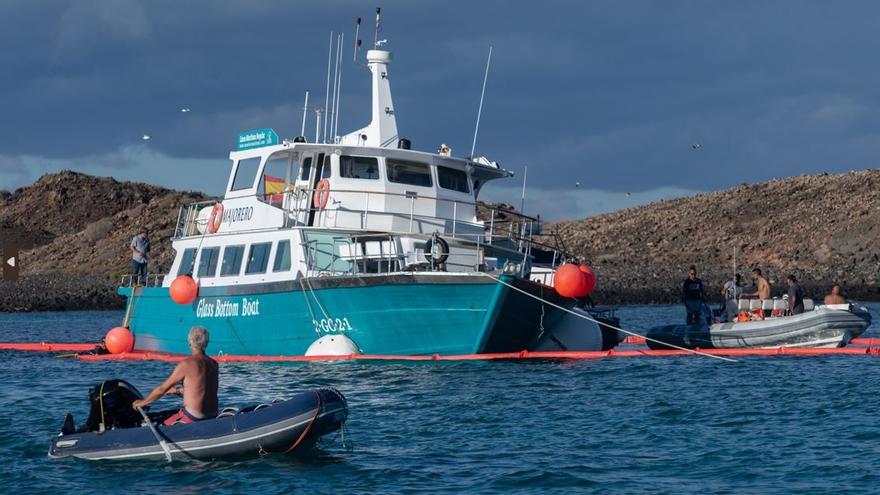
On a sunny Saturday afternoon, the scenic Mediterranean waters surrounding Fuerteventura became the backdrop for a dramatic maritime incident. The tourist boat El Majorero, a popular vessel making rounds between the idyllic islet of Lobos and Corralejo, met with trouble as it collided with underwater rocks. At the time of the incident, the boat was carrying 47 eager passengers along with a crew of five. Fortunately, due to prompt action and calm response, there were no personal injuries reported among those onboard.
Moment of Impact
The incident occurred around 14:25 hours, a time generally bustling with tourists soaking in the breathtaking coastal views. Suddenly, an unexpected jolt shook the boat as it struck an unseen rocky formation beneath, causing the vessel to take on water. The chaos that ensued was understandably alarming for the passengers, many of whom were enjoying their day of exploration. Quick thinking and decisive actions by the crew played a critical role in the subsequent evacuation process.
Evacuation and Rescue
As panic began to ripple through the passengers, the crew swiftly initiated an emergency evacuation plan. Within moments, help was on the way. The Celia Cruz, another ferry operating the same route, was alerted and arrived at the scene to assist with the evacuation. The prompt response ensured that all passengers were safely transferred to the rescue vessel and brought back to the shores of Fuerteventura. The professionalism exhibited by the crew not only ensured safety but also minimized the anxiety of those involved.
Where it Left Off
Following the incident, the El Majorero remained stranded near La Concha beach on the islet of Lobos, the very location it had aimed to explore that day. While the vessel itself was reported to be in a steady condition, the implications of its grounding prompted discussions about safety protocols and preventive checks for tourist boats navigating these picturesque yet hazardous waters. In the days that followed, maritime authorities undertook evaluations of the boat’s condition and examined the factors that led to the accident.
Implications for Maritime Tourism
This incident sheds light on the inherent risks associated with maritime tourism in areas known for their stunning beauty yet potentially treacherous waters. For many visitors, the thrill of taking a boat tour adds an unforgettable layer to their experience, but it underscores the importance of robust safety measures and adequate training for crew members. Tourists should be well informed about the safety records of the companies they choose, while operators are prompted to reinforce their protocols to avert future mishaps.
A Community Response
In the aftermath of the incident, the local community and tourist companies rallied to support those affected. Local authorities communicated effectively with the public, ensuring transparency in investigations and subsequent measures to enhance safety. The event emphasizes the role of community resilience, where vendors, local residents, and tourism boards collaborate to ensure that incidents like these become catalysts for reform rather than deterrents for tourism.
Industry Reflections
The tourism sector in Fuerteventura and similar locales can learn valuable lessons from this incident. It not only sparks a dialogue about the need for preventive maintenance and route assessments but also the broader context of tourist safety. Investing in technology for better navigation and real-time tracking could be useful tools for avoiding such unexpected encounters with submerged hazards.
This incident is a vivid reminder of the balance between adventure and safety, urging us all—operators and tourists alike—to be vigilant as we navigate the beautiful, yet unpredictable waters of our world.


