The Transformation of the RIU Tres Islas Hotel: A Closer Look at Planned Developments and Environmental Concerns
Exciting Developments Awaiting at RIU Tres Islas
The RIU Tres Islas Hotel in Spain is undergoing significant renovations and enhancements that promise to transform its offerings and guest experiences. Among the ambitious plans are the creation of a new solarium, a comprehensive overhaul of the west pool, and the development of a fitness area strategically placed between two tennis courts. These improvements aim to not only elevate the hotel’s aesthetic appeal but also enhance functionality for guests of all ages and abilities.
Accessibility is a prominent concern in this development, as plans promise the elimination of architectural barriers and the establishment of a wellness spa that accommodates individuals with reduced mobility. Additionally, the hotel will see updates to its rooms—replacing bathtubs with modern shower plates while enhancing thermal and acoustic insulation to ensure a more comfortable stay. The repairs and renovation of facades and structural elements point towards a commitment to maintaining the integrity and safety of the hotel as a whole.
A Challenging Regulatory Landscape
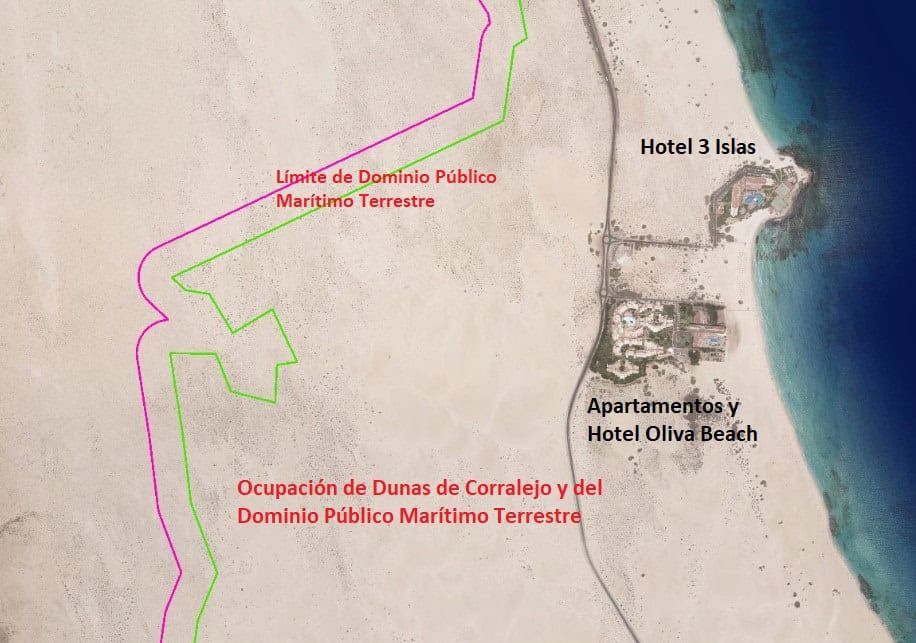
However, the project hasn’t been seamless. Critics, including environmental groups, argue that the renovations contradict the principles of environmental sustainability. They highlight the delicate balance that must be struck in a location designated as both a Natural Protected Space and a Maritime-Terrestrial Public Domain.
This concern has resulted in a robust dialogue surrounding the environmental impact of such extensive remodeling, prompting stakeholders to call for a more sustainable approach to updates that respects the natural surroundings of the hotel. Ensuring that development doesn’t compromise the environment remains a key topic in ongoing discussions.
A History of Struggles
The history of the RIU Tres Islas Hotel’s operations is fraught with challenges. The hotel has been functioning under a concession granted in April 2007 to Sonco Canarias—which later merged into RIU—covering a 30,438 square meter area until 2037. Importantly, the concession explicitly prohibits both height and area modifications of the existing structure. However, breaches have been identified by Costas, including unauthorized expansions and modifications, such as the conversion of a former solarium into additional guest rooms.
These infractions have led to the concession’s expiration twice—most recently in May 2025. Environmental organization Turcón has been vocal and proactive, appealing to the Ministry for Ecological Transition in July 2025 to revisit the situation, reiterating that the issues leading to expiration still persist.
The Controversial Sixth Floor
The focus of many disputes seems to circle back to the contentious sixth floor. In the recent proposal submitted for the renovation, RIU has included plans for six new guest rooms at this very level, reigniting past controversies over compliance with the initial concession guidelines. This move has raised skepticism and concern among various stakeholders, calling into question the hotel’s adherence to regulations and environmental considerations.
Lessons from Nearby Developments
The RIU Tres Islas is not the only hotel grappling with oversight and compliance issues; the nearby Oliva Beach Hotel also serves as a cautionary tale. Originally granted a concession in 2003 and further modified in 2007, its permit was declared void by the Ministry for Ecological Transition in February 2024. This led to an order for demolition, placing the financial burden squarely on the concessionaire, Geafond Número Uno Lanzarote S.A.
Despite a governmental appeal concerning the competency of the ruling, the Constitutional Court ruled in the state’s favor in September 2024. Currently, demolition remains stalled, hampered by legal complications surrounding privately-owned apartments sold off by the company.
Awaiting Resolution
In April 2026, further decisions by the National Court reinforced RIU’s decision to step back from the proposed renovations, which complicates the trajectory of the RIU Tres Islas. As the future of both hotels unfolds, the intersection of tourism, environmental concerns, and regulatory compliance becomes increasingly critical. The outcome of these decisions will not only impact the properties involved but also shape discussions around sustainable tourism and development throughout the region.