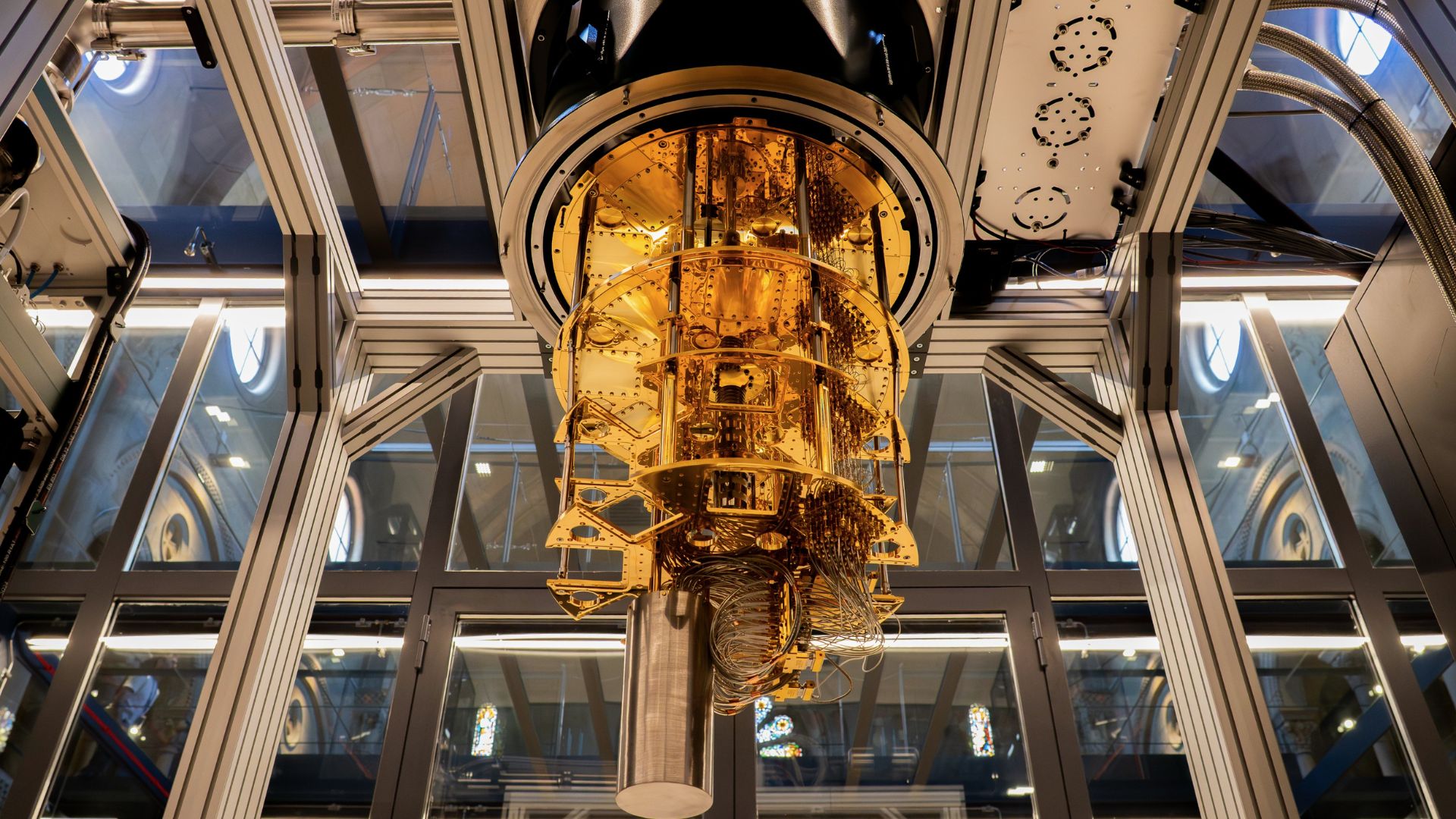
Spain has recently made a significant leap in the realm of advanced computing by unveiling its third quantum computer at the Barcelona Supercomputing Center (BSC-CNS). This cutting-edge machine will be integrated into the MareNostrum 5 system, a flagship project that showcases Spain’s commitment to technological advancement. Funded by the European Union and Spain’s Secretariat of State for Digitalisation and Artificial Intelligence, this €9.8 million (approximately US$11.4 million) quantum computer was designed and constructed by the Barcelona-based company Qilimanjaro Quantum Tech.
As the world grapples with the implications of artificial intelligence (AI) through platforms like ChatGPT and Claude, another wave of transformative technology is on the horizon: quantum computing. Unlike classical computing, which relies on bits that can only represent a 0 or a 1, quantum computing utilizes quantum bits, or qubits. These qubits can exist in multiple states simultaneously, allowing for a level of parallel processing that classical computers can only dream of. This capability positions quantum computing as a game-changer in solving complex problems more efficiently than ever before.
The potential applications of quantum computing are vast and varied. Experts believe that it could play a crucial role in addressing some of the most pressing challenges of our time, including climate change, drug discovery, and optimization problems across various industries. However, despite its promise, significant work remains to be done before quantum computing becomes mainstream and widely accessible.
Technology Sovereignty
The recent surge in AI has predominantly been driven by private companies based in the United States. In response, Europe is making concerted efforts to develop and support its own quantum computing technologies, ensuring that the region maintains sovereignty over future technological advancements. “With technologies developed here, in the supercomputer, backed by Catalan and Spanish public policies and major partnerships with Europe, we are able to produce our own European technology in pursuit of strategic autonomy so as not to depend on third countries,” stated Núria Montserrat, Catalan Minister for Research and Universities, in a recent press release.
To bolster its technological sovereignty, the region is pursuing initiatives like the European High Performance Computing (EuroHPC) program, which aims to enhance supercomputing capabilities across Europe. Institutions like the Barcelona Supercomputing Center (BSC) are focusing on building robust quantum computing infrastructure, positioning Spain as a leader in this emerging field.
Third Quantum Computer
The latest addition to the BSC is the third quantum computer integrated into the MareNostrum 5 system. This machine is housed in the iconic chapel of Torre Girona, which has been the home to previous iterations of the MareNostrum systems. Notably, this new quantum computer is analog in nature, contrasting with the digital quantum computers that were added previously.
Digital quantum computers operate similarly to classical computers, utilizing sequences of logic gates. This flexibility allows them to run a wide array of quantum algorithms, but they are also prone to accumulating noise, necessitating active error correction. In contrast, analog quantum computers map problems to quantum physical states, allowing them to evolve over time. While these systems excel at solving problems in physics and chemistry, they are not designed to run discrete algorithms.
The first two digital quantum computers at the BSC form part of MareNostrum Ona, which represents the quantum segment of the MareNostrum 5 system. Since its launch in February 2025, Ona has logged an impressive 4,200 computing hours, supporting 53 research projects selected by the Spanish Supercomputing Network. This extensive computing time underscores the growing demand for quantum computing resources in research and development.
The MareNostrum 5 system is designed to seamlessly integrate classical computing with quantum computing and AI. The addition of this third quantum computer marks a significant milestone for both the Spanish and European tech ecosystems, paving the way for a new era of technological innovation that seeks to reduce reliance on external nations for critical infrastructure.