The Evolution of Takeaway Packaging in Australia
Before the rise of cheap, single-use takeaway packaging, Australian families had a unique tradition: they would bring their own saucepans to local Chinese restaurants for Friday night take-out. This quirky practice persisted until the early 1980s, when health concerns regarding ink contamination led to the outlawing of wrapping fish and chips in old newspapers. Fast forward to today, and while Australians have embraced reusable coffee cups and Tupperware for school lunches, the idea of bringing your own container to a salad bar or deli counter still feels a bit out of place.
The Plastic Waste Crisis
Australia grapples with a staggering 3.2 million tonnes of plastic waste each year, with a significant portion ending up in landfills. According to government data, about 39% of this waste is packaging, which includes 27,800 tonnes of single-use takeaway containers and 25,500 tonnes of plastic bags annually. To put this into perspective, that’s roughly equivalent to the weight of the Sydney Harbour Bridge.
In response to this crisis, some states like South Australia and Western Australia have enacted bans on plastic food and drink containers, as well as cutlery. However, there are currently no laws in Australia that prevent customers from bringing their own containers to food retailers. This opens up opportunities for individuals and workplaces to adopt reusable food containers and crockery for takeaway, catering, and events.
The Rise of BYO Containers
Bianca Cottle, the founder of BYO Containers, recognized a gap in knowledge among consumers regarding the use of reusable containers. Her volunteer-run website maps businesses that welcome customers bringing their own packaging. “A big part of what I was seeing was people who weren’t sure what they could do or what was fair to ask,” she explains. After eight years and the involvement of 2,000 businesses, Cottle has become a go-to resource for those looking to make the switch to reusable containers.
Starting with What You Have
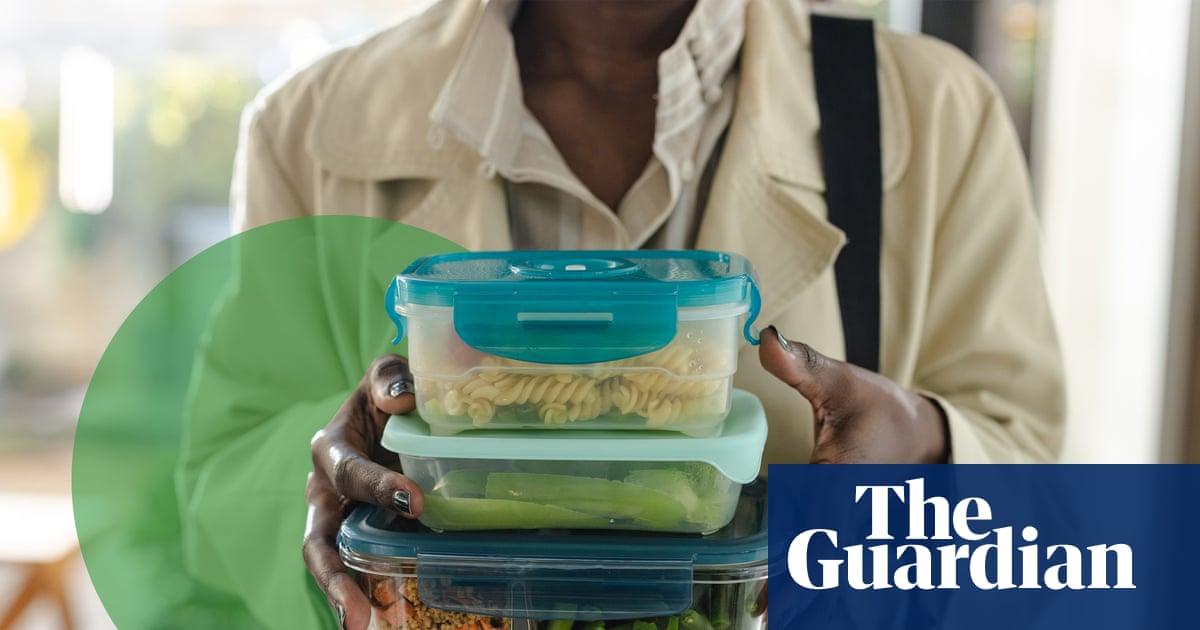
Cottle emphasizes that you don’t need to invest in special equipment to begin your journey toward sustainability. “If you’ve got Tupperware in your cupboard, use that,” she advises. Old jars and netted bags for fresh produce can also be handy. However, she warns against using single-use plastic takeaway containers from meal service orders, as they are often made from less durable plastics that can degrade and leach harmful chemicals.
When asking for takeaway in a reusable container, it’s essential to approach the staff before placing your order. Many cafes are accustomed to accepting reusable coffee cups, but for other items like pasta or salads, it may be a new concept for them. “Sometimes stores might just throw out a line that it’s not legal, but it is,” Cottle notes.
Navigating the Request
Concerns about cross-contamination may arise, so ensuring your container is clean and sanitary is crucial. Ultimately, the decision lies with the venue, and if you’re met with resistance, it’s best to accept it gracefully. Cottle suggests speaking with a manager to encourage them to look into the legislation and consider accepting reusable containers in the future.
Butchers, fishmongers, and delis are often more open to the idea of BYO containers. If you’re in a queue, it’s wise to let others go ahead, allowing staff the time to consider your request without feeling rushed.
Testing the Waters with Easy Foods
Cottle recommends starting with easy-to-pack foods. “Sushi rolls are really easy,” she says, noting that most sushi vendors are happy to accommodate reusable containers. Bakery items, sandwiches, and even burgers can also be transferred into your lunchbox with a simple request.
At the supermarket, bringing your own mesh bags for produce is a great first step. Many stores even sell these bags on-site. For bakery visits, a cotton bag or an old pillowcase can serve as lightweight alternatives to disposable options.
Workplace Initiatives for Reusability
While bringing lunch to the office can be economical, the hassle of transporting Tupperware can be off-putting. Enter Returnr, a reusable container scheme that simplifies the process. Founded in 2018, Returnr offers workplace kits that provide a shared pool of reusable receptacles, allowing employees to grab a coffee cup, bento box, or bowl whenever they need it. Once used, these items can be returned to a designated storage area for cleaning and reuse.
The majority of Returnr’s products are made from stainless steel, a material that excels in both reuse and recycling. According to Brett Capron, the company’s design director, stainless steel is 100% recyclable, and in Australia, about 90% of metal waste is recycled compared to just 12% of plastic. “A stainless steel product will last for thousands of uses,” he adds, highlighting its durability.
As businesses strive to entice employees back to the office, offering clean, sustainable lunch packaging options can make the workplace feel more appealing.
Embracing Change
The shift toward reusable containers is not just a trend; it’s a necessary step in combating the plastic waste crisis. By starting small, testing easy foods, and advocating for change in workplaces, Australians can contribute to a more sustainable future while enjoying their favorite meals.